What Are the Three Ecological Groups? A Simple Breakdown for Everyday Understanding
 Dec, 19 2025
Ecological Group Identification Quiz
Question 1 of 7
What ecological group does a deer belong to?
Question 2 of 7
What ecological group does a mushroom belong to?
Question 3 of 7
What ecological group does grass belong to?
Question 4 of 7
What ecological group does a caterpillar belong to?
Question 5 of 7
What ecological group does a wolf belong to?
Question 6 of 7
What ecological group does bacteria in soil belong to?
Question 7 of 7
What ecological group does a human belong to?
Your Results
When you hear the word ecological groups, you might think of activists holding signs or scientists in labs. But in biology and environmental science, ecological groups are much simpler-and far more fundamental. They’re the jobs nature assigns to every living thing to keep the whole system running. Think of them like roles in a team: without each one, the whole thing falls apart.
There are exactly three ecological groups. Not five. Not ten. Just three. And understanding them helps you see why cutting down one tree, removing one insect, or polluting one stream can ripple through an entire ecosystem. You don’t need a degree to get this. You just need to look around.
Producers: The Original Energy Source
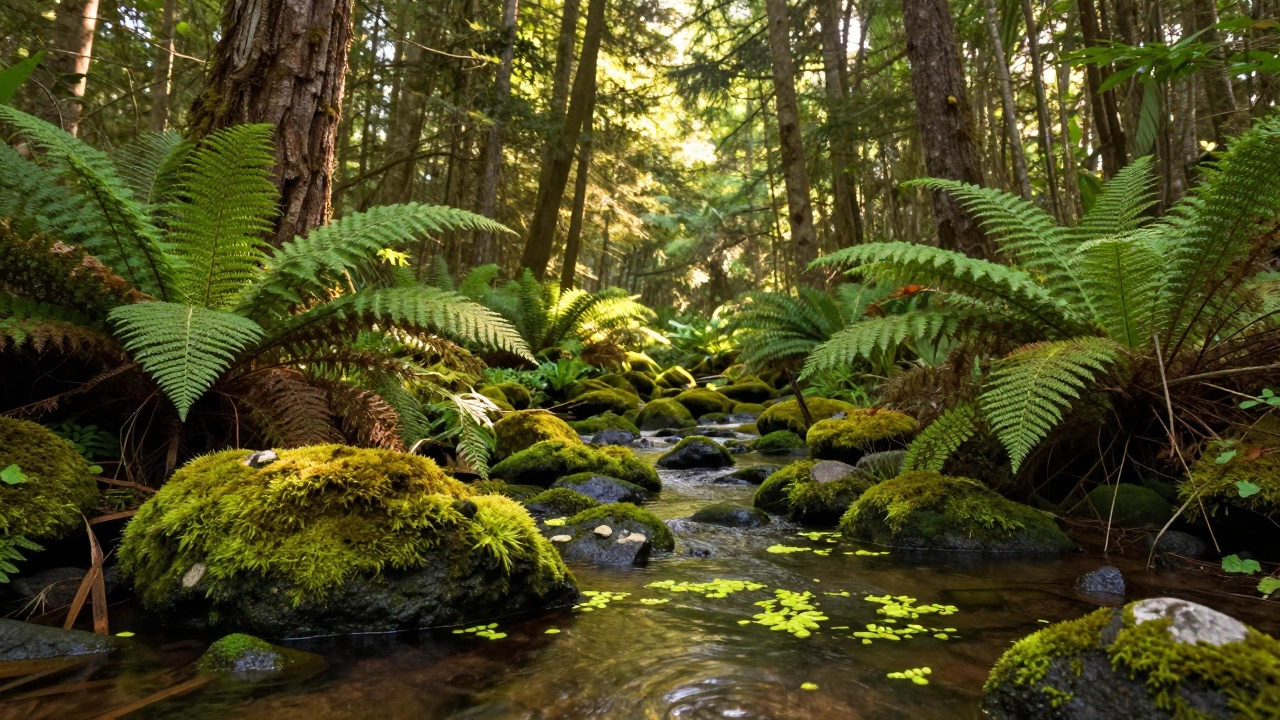
Producers are the foundation of every food chain. They don’t eat anything. They make their own food using sunlight, water, and carbon dioxide. This process is called photosynthesis. In forests, it’s trees and ferns. In oceans, it’s phytoplankton. In your backyard, it’s grass, dandelions, and even algae in the pond.
These organisms convert solar energy into chemical energy-stored in sugars and starches. That energy then flows to every other living thing. Without producers, there would be no food for anyone else. Not you. Not the birds. Not the worms. Just empty soil and silent air.
Producers aren’t just plants. Some bacteria can also produce energy through chemosynthesis, using chemicals instead of sunlight. These live in deep-sea vents, far from the sun. But they’re still producers. They’re the only reason life exists there at all.
Here’s the simple rule: if it makes its own food from the sun or chemicals, it’s a producer. And without them, the whole system collapses.
Consumers: The Energy Transmitters
Consumers don’t make their own food. They eat other organisms to get energy. That’s it. But consumers are split into three types-and knowing the difference matters.
Primary consumers eat producers. These are herbivores: deer, rabbits, caterpillars, zooplankton. They turn plant matter into animal tissue. Without them, plant energy wouldn’t move up the chain.
Secondary consumers eat primary consumers. These are carnivores like frogs, spiders, small fish, and birds of prey. They get their energy indirectly from plants, but through the animals that ate them.
Tertiary consumers eat secondary consumers. These are the top predators: wolves, sharks, eagles, and big cats. They sit at the top of the food chain. Their populations are usually small because it takes a lot of energy to support them.
There are also omnivores-like bears, raccoons, and humans-that eat both plants and animals. They can switch roles depending on what’s available. That flexibility helps them survive when one food source disappears.
Consumers don’t just eat. They spread seeds, control populations, and recycle nutrients. A single wolf can keep a whole valley healthy by keeping deer numbers in check. Without predators, deer overgraze. Trees die. Birds lose nests. Soil erodes. It’s not just about eating. It’s about balance.
Decomposers: The Silent Recyclers
Decomposers are the cleanup crew. They break down dead plants, dead animals, and waste. Without them, the planet would be buried in rotting leaves, carcasses, and droppings.
Fungi-like mushrooms and mold-are the most visible decomposers. Bacteria are the most numerous. Even earthworms and dung beetles play a role. They don’t just disappear things. They turn dead matter into nutrients that producers can use again.
Think of it like composting. A fallen tree doesn’t just rot. It’s broken down into nitrogen, phosphorus, and other minerals. Those get absorbed by new seedlings. The same carbon that was in a bear’s fur ends up in a new oak tree. It’s a loop. A perfect circle.
Decomposers work quietly. You rarely notice them. But if they vanished tomorrow, ecosystems would choke on their own waste. Soil would lose fertility. Plants would starve. Animals would starve. And the cycle would stop.
Why These Three Groups Matter
These three groups aren’t just labels. They’re the operating system of life on Earth. Every species you’ve ever seen belongs to one of them. And every human action that harms one group affects the others.
When you use pesticides, you kill insects. Those insects might be primary consumers-or food for birds. Fewer insects mean fewer birds. Fewer birds mean more pests. More pests mean more chemicals. It’s a loop of damage.
When you clear forests, you remove producers. That means less oxygen, more carbon dioxide, and less food for herbivores. That affects carnivores. And without trees, decomposers lose their main source of dead matter.
Even plastic pollution affects decomposers. Microplastics clog the guts of worms and bacteria. They can’t break down waste properly. Nutrients don’t recycle. Soil dies. And plants suffer.
Understanding these three groups helps you see your place in the system. You’re a consumer. But you’re also a protector. Every time you choose to plant native trees, reduce waste, or avoid harmful chemicals, you’re helping the balance.
Real-World Example: A Melbourne Creek
Take a small creek in Melbourne’s eastern suburbs. On the surface, it’s just water and rocks. But look closer.
Producers: Algae cling to stones. Water weeds grow along the banks. They soak up sunlight and make energy.
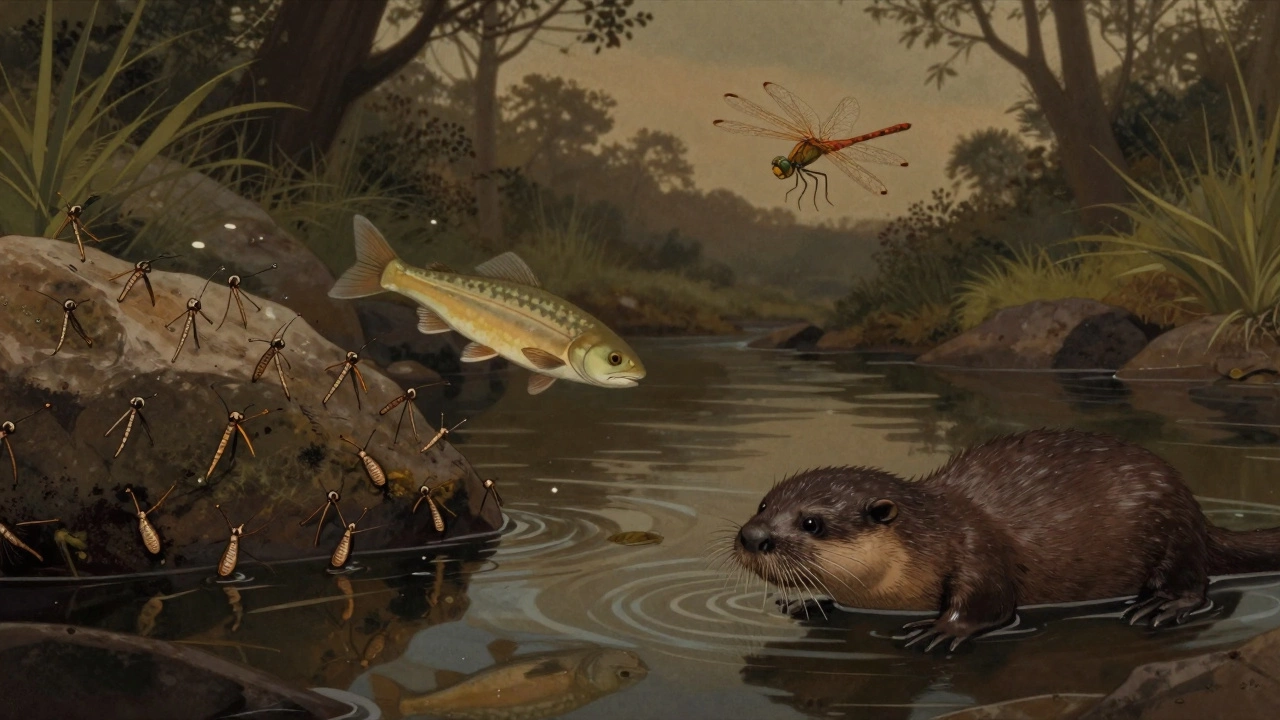
Consumers: Mayfly larvae eat the algae. Small fish eat the larvae. Dragonflies eat the fish. A platypus might come at dusk to catch the bigger fish.
Decomposers: Fungi grow on fallen leaves. Bacteria break down fish waste. Earthworms in the muddy bank digest organic material.
Now imagine someone dumps motor oil into the creek. The algae die. The mayflies starve. The fish leave or die. The platypus has nothing to eat. The decomposers can’t break down oil. The creek becomes a dead zone.
It didn’t take a factory to destroy it. Just one careless act. And it all started with one group-producers-being poisoned.

What You Can Do
You don’t need to be a scientist to help these three groups survive. Here’s what works:
- Plant native trees and shrubs-they’re the best producers for local wildlife.
- Reduce chemical use in your garden. Pesticides kill insects that feed birds and frogs.
- Compost food scraps. It feeds decomposers and gives your soil life.
- Keep plastics out of waterways. They choke decomposers and poison consumers.
- Support local conservation groups that protect wetlands and forests.
Every action that supports producers, protects consumers, or feeds decomposers strengthens the whole system. And that system? It’s the only one we’ve got.
Are humans part of the three ecological groups?
Yes. Humans are consumers. We eat plants and animals. We don’t produce our own food like plants do, and we don’t break down dead matter like fungi or bacteria. But our actions affect all three groups. We can harm them-or help them.
Can one organism belong to more than one ecological group?
Not at the same time. An organism has one main role. But some can switch roles depending on what they eat. For example, a bear is a consumer when it eats fish, but it’s also a consumer when it eats berries. It doesn’t become a producer or decomposer. However, some fungi can act as both decomposers and parasites-living off living trees and later breaking them down after they die. That’s rare, but it happens.
Why don’t we hear about decomposers more often?
Because they work out of sight. You don’t see bacteria eating a dead log. You don’t notice fungi breaking down your compost. But if they disappeared, you’d notice fast-everything would start piling up. Dead bodies, rotting leaves, animal waste. The world would smell terrible and stop growing new life. Decomposers are silent heroes.
Do ecological groups exist in cities too?
Absolutely. Even in cities, producers are the trees in parks, the weeds growing through cracks in sidewalks, and the algae in stormwater drains. Consumers include pigeons, rats, spiders, and even cockroaches. Decomposers are the bacteria in your compost bin, the fungi on wet leaves, and the worms in garden soil. Urban ecosystems are just as real-and just as fragile.
Is the food chain the same as ecological groups?
No. The food chain shows the order of who eats whom. Ecological groups are the roles those organisms play. A food chain might say: grass → rabbit → fox. The ecological groups are: producer (grass), primary consumer (rabbit), secondary consumer (fox). The food chain is the path. The ecological group is the job.
What Comes Next
If you want to see these groups in action, start small. Look at your backyard. Find a rotting log. Lift a stone. Check the leaves on a tree. You’ll find insects, fungi, moss, and maybe a spider. Each one has a job. And each one keeps the world running.
You don’t need to save the planet. Just help one part of it. Plant one native plant. Stop using weed killer. Compost your coffee grounds. These aren’t grand gestures. But they’re the small acts that, when multiplied, rebuild ecosystems.
The three ecological groups have been working for billions of years. They don’t need us. But we need them. And now, more than ever, they need us to understand them.