Street Homelessness: What It Really Means and How Communities Respond
When we talk about street homelessness, the condition of people living without shelter on public streets, sidewalks, or in vehicles, often due to poverty, mental health struggles, or lack of affordable housing. Also known as unsheltered homelessness, it’s not a choice—it’s a survival state. People experiencing street homelessness aren’t invisible. They’re neighbors, veterans, parents, and young adults pushed out by rising rents, job loss, or broken systems. This isn’t about laziness or bad decisions. It’s about systems failing people who have nowhere else to go.
What makes street homelessness different from other forms of homelessness? It’s visibility. These are the people you see under bridges, in doorways, or sleeping in parked cars. They face the harshest conditions: extreme weather, no access to clean water or toilets, and constant risk of harassment or arrest. And while shelters exist, many are full, restrictive, or unsafe—especially for women, LGBTQ+ youth, or people with pets. That’s why housing first, an approach that provides stable housing before requiring treatment or services has become one of the most effective solutions. Studies show people housed first are more likely to stay housed, access healthcare, and rebuild their lives. It’s simple: you can’t fix your life if you’re sleeping on concrete.
Behind every person on the street is a story—and behind every solution is a community. That’s why community outreach, the direct, consistent effort by organizations to connect with unsheltered individuals and offer tailored support matters so much. It’s not about handing out blankets and moving on. It’s about showing up week after week, learning names, building trust. Outreach workers don’t just deliver food—they help people get IDs, apply for benefits, find clinics, and eventually, housing. And when communities organize homeless programs, structured efforts by NGOs or local governments to reduce street homelessness through housing, services, and prevention, they don’t just reduce numbers—they restore dignity.
What do people experiencing street homelessness need most? Not pity. Not slogans. They need socks, hygiene kits, safe places to store belongings, and access to mental health care. They need landlords willing to rent to them. They need policies that treat housing as a right, not a reward. The posts below show what’s actually working: from the most requested items in shelters to real programs that cut street homelessness in half. You’ll see how small actions—like donating the right kind of socks—add up. How volunteer efforts turn into long-term change. And how communities in places like Odisha are learning from global models to build local solutions that stick.
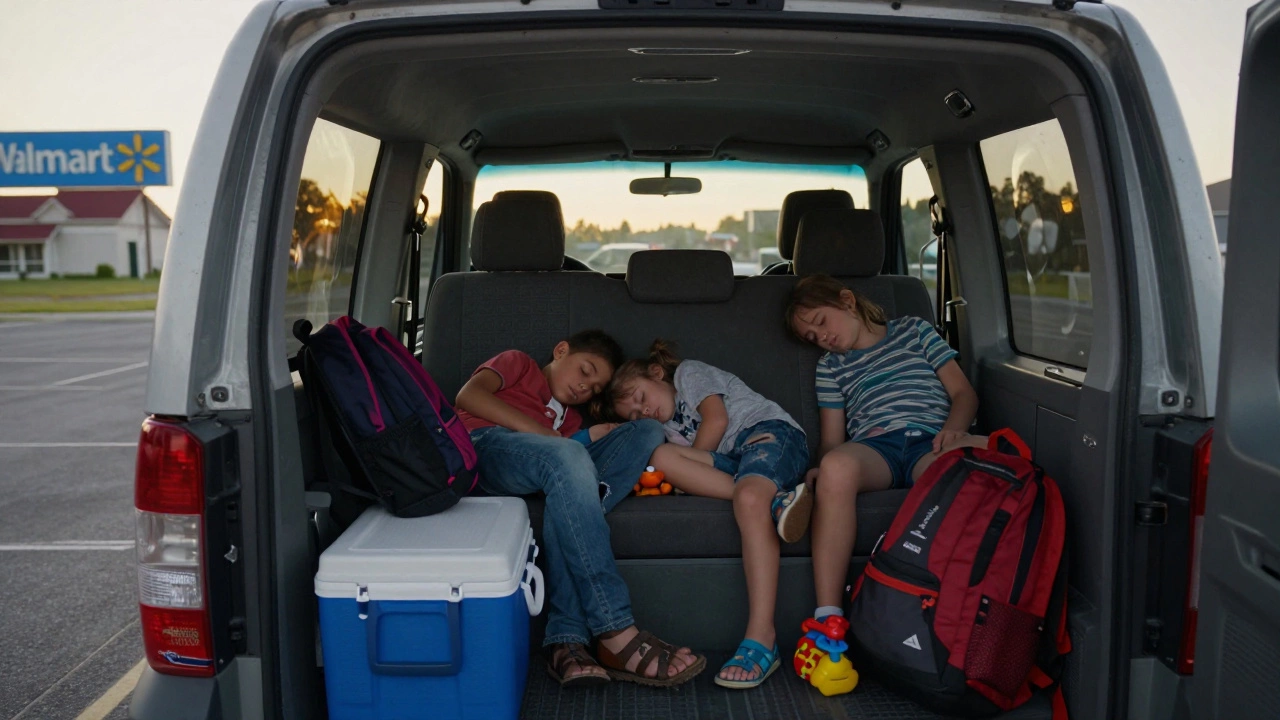
Where Do Most Homeless People Live? Real Numbers Behind Shelter Use and Street Living
Most homeless people don't live in shelters-they sleep in cars, couches, or abandoned buildings. This article breaks down where homeless people actually live, why shelters aren't enough, and what solutions actually work.
Read More