Homeless Statistics: What the Data Really Shows About Homelessness in Communities
When we talk about homeless statistics, quantitative measures of people without stable housing, often tracked by governments and nonprofits to guide aid. Also known as housing insecurity data, these numbers aren’t just reports—they’re snapshots of real people sleeping in cars, shelters, or on sidewalks. Most people assume homelessness is about laziness or bad choices. But the data tells a different story. In the U.S. alone, over 650,000 people were counted as homeless on a single night in 2023. That’s more than the population of many small cities. And while urban areas get the most attention, rural homelessness is rising fast—often invisible because people sleep in barns, tents, or their cars.
One of the most misunderstood parts of homeless populations, the group of individuals experiencing homelessness, often categorized by duration, age, or cause is who they are. Nearly 40% are families with children. Veterans make up about 7%. Youth under 25 account for over 100,000—many fleeing abuse or aging out of foster care. And here’s the hard truth: housing insecurity, the condition of lacking reliable, safe, and affordable housing, often a precursor to homelessness affects far more than those counted on street surveys. Millions live paycheck to paycheck, one job loss or medical bill away from losing their home. That’s why homeless statistics aren’t just about shelters—they’re about the fragile safety net holding people up.
What works? The data shows clear patterns. Programs that offer permanent housing first—no strings attached—have the highest success rates. People who get a place to live, then support services, are far more likely to stay housed than those who must clean up their life before getting a bed. Meanwhile, emergency shelters, while necessary, often just move people around without solving the root problem. The most effective programs don’t just give food or blankets—they give keys. And the items most needed? Not fancy gear. Socks. Toiletries. Clean underwear. These aren’t luxury items—they’re basic dignity.
Behind every number in homeless statistics is a story. Someone who lost their job. Someone fleeing violence. Someone with no family left to turn to. These aren’t abstract trends—they’re neighbors, coworkers, students. The data helps us see the scale, but it’s the human stories behind it that demand action. Below, you’ll find real examples of what’s working, what’s not, and what people on the ground say they need most.
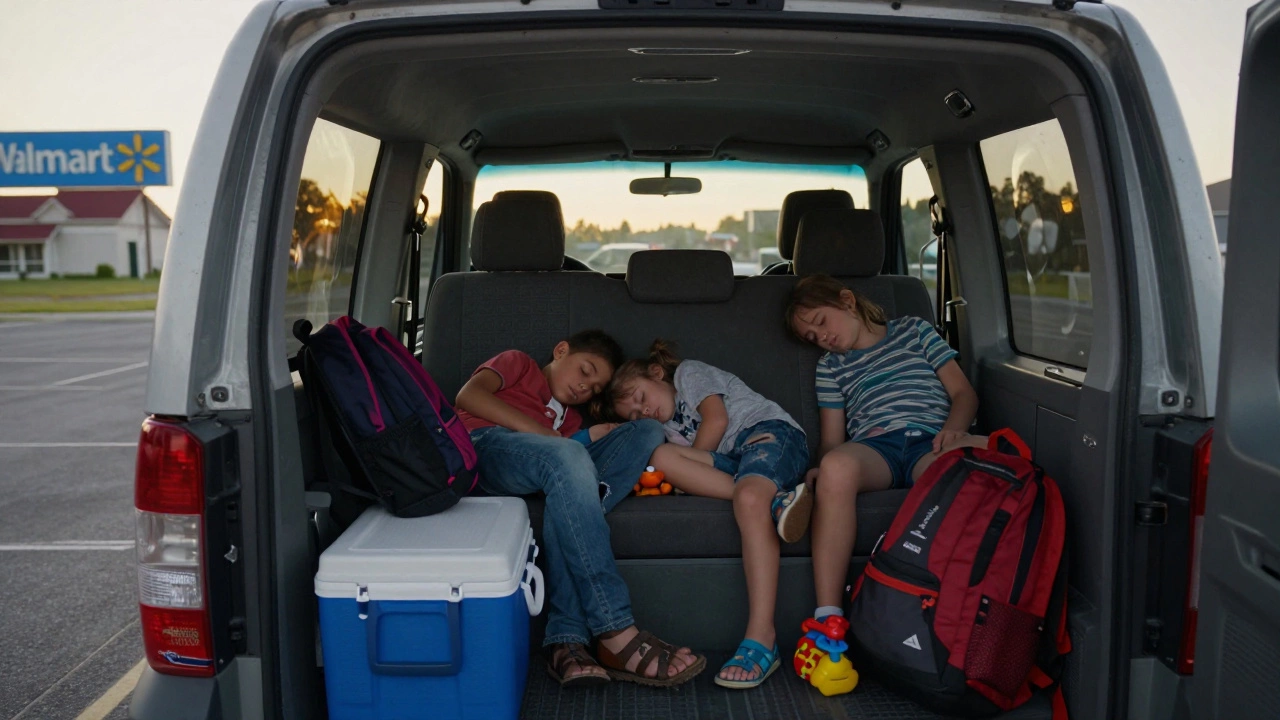
Where Do Most Homeless People Live? Real Numbers Behind Shelter Use and Street Living
Most homeless people don't live in shelters-they sleep in cars, couches, or abandoned buildings. This article breaks down where homeless people actually live, why shelters aren't enough, and what solutions actually work.
Read More