Grocery Shopping: How to Support Local Communities Through Smart Choices
When you go grocery shopping, you're not just picking up food—you're making a decision that affects people in your town. grocery shopping, the act of purchasing food and household essentials, often from local stores or markets. Also known as food shopping, it's one of the most frequent ways ordinary people directly influence local economies and social programs. In Odisha, where many families rely on small vendors and community-run food programs, how and where you shop can mean the difference between a neighbor eating well or going without.
local food systems, networks that connect farmers, producers, and buyers within a region. These systems keep money in the community, reduce waste, and support small businesses that often partner with NGOs to feed vulnerable families. When you buy from a local market instead of a big chain, you're not just getting fresher produce—you’re helping a family-run shop stay open, which might also be the same place a community kitchen gets its donations. nonprofit food initiatives, programs run by local groups to provide meals or groceries to those in need. Many of these rely on donations from shoppers who choose to buy extra items to drop off at collection points. You’ve probably seen the boxes at the front of stores labeled ‘Donate a Can’—those aren’t just for show. They’re how a single mother in Cuttack gets rice this month, or how a senior citizen in Bhubaneswar gets vegetables without walking miles.
sustainable shopping, choosing products that minimize harm to people and the environment. It’s not just about reusable bags. It’s about asking: Did this item come from a farm that pays fair wages? Was it shipped from across the country, or grown down the road? Is the packaging recyclable, or will it end up in a river? These choices add up. And when enough people make them, businesses notice. That’s how small community stores start stocking more local produce, or how a temple-run food drive gets better supplies because donors demand transparency.
You don’t need to overhaul your whole routine to make a difference. Buy one extra packet of rice when you’re already shopping. Ask the vendor where their goods come from. Drop off that extra can of beans you don’t need. These small acts connect directly to the work of local organizations you’ll find on this site—groups running food banks, teaching nutrition to families, or helping farmers sell directly to neighborhoods. What you find below are real stories from people who turned grocery trips into community action. Some turned their shopping habits into full-time volunteer work. Others started food drives that now feed hundreds. You don’t need a big budget. You just need to show up—with your cart, your choices, and your care.
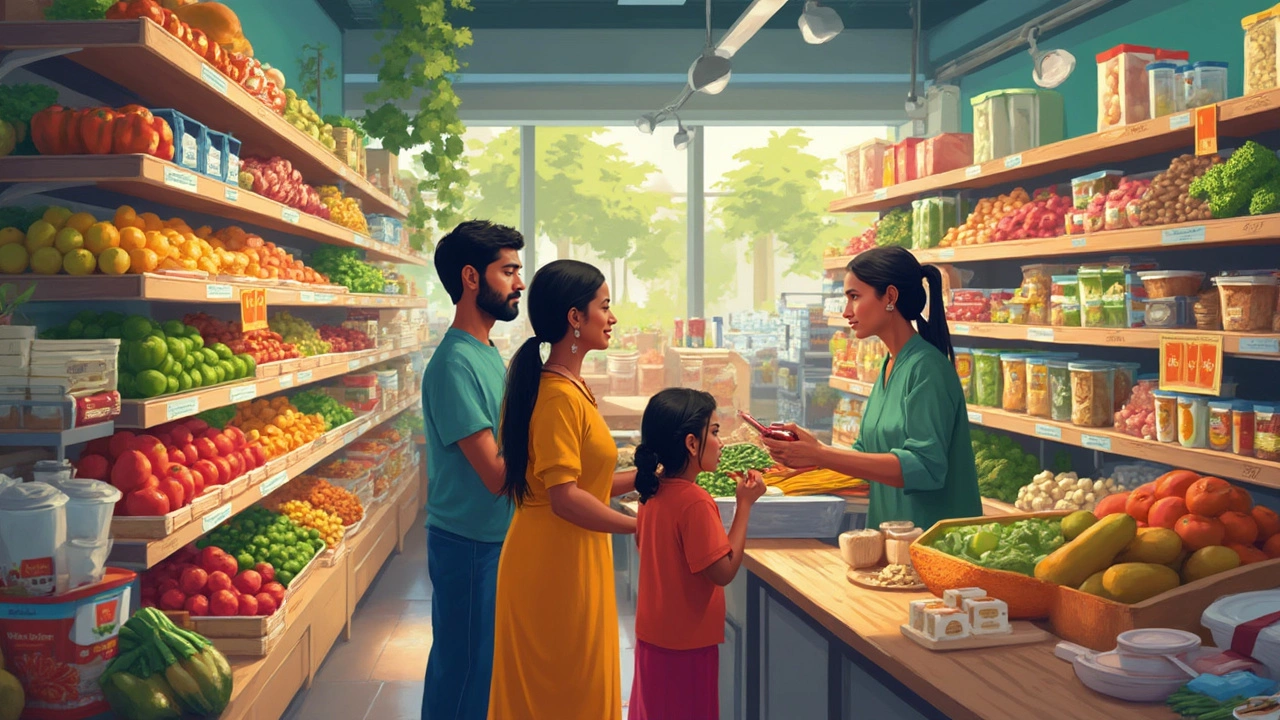
Virginia EBT: What It Covers and How to Make the Most of It
Not sure what Virginia EBT covers? This guide breaks down exactly what you can buy, where you can use your card, and tips for stretching your benefits. Learn why some basics at the grocery store are eligible and others aren’t. Plus, find handy tricks for getting even more food on the table, thanks to community resources and special programs. The rules can be confusing, but you’ll get the clear answers you need here.
Read More