How to Run a Successful School Club: Practical Steps for Teachers and Students
 Dec, 9 2025
Club Success Calculator
Calculate your school club's success score based on five key principles from the article. Each principle has 3 options with increasing points. Your final score will indicate your club's health and provide specific advice.
Your Club Success Score
Running a successful school club isn’t about having the fanciest supplies or the biggest turnout. It’s about creating a space where students actually want to show up-week after week. Too many clubs start with excitement and fade by October. The difference? Successful clubs have clear purpose, consistent structure, and real student ownership.
Start with a clear purpose
Every great club begins with a simple answer to: Why does this exist? Is it to help kids learn coding? Build confidence through drama? Grow vegetables in the school garden? Or just give quiet students a place to belong? Avoid vague goals like "have fun" or "do activities." Those don’t hold up when attendance drops or funding gets tight. Instead, pick one focused goal. For example:- "Teach middle schoolers basic first aid so they can help in emergencies."
- "Create a student-run podcast that shares stories from our local community."
- "Host weekly board game nights to reduce social isolation among Year 7 students."
Let students lead
The biggest mistake adults make? Trying to run the club themselves. If students aren’t making decisions, they won’t feel invested. A successful club gives students real power. Start by forming a small student leadership team-three to five kids who meet before each club session. Let them:- Choose the next activity
- Decide how to split up tasks (setup, cleanup, reminders)
- Plan a small event or showcase
Keep it simple and predictable
Students show up when they know what to expect. A club that changes format every week feels chaotic. A club with a rhythm feels safe. Try this simple structure for every meeting:- Check-in (5 mins): Quick round of how everyone’s doing. No pressure to share deeply.
- Main activity (30-40 mins): The core thing the club does-building robots, writing poetry, practicing basketball drills.
- Wrap-up (5-10 mins): What did we learn? What’s next week? Who’s bringing snacks?
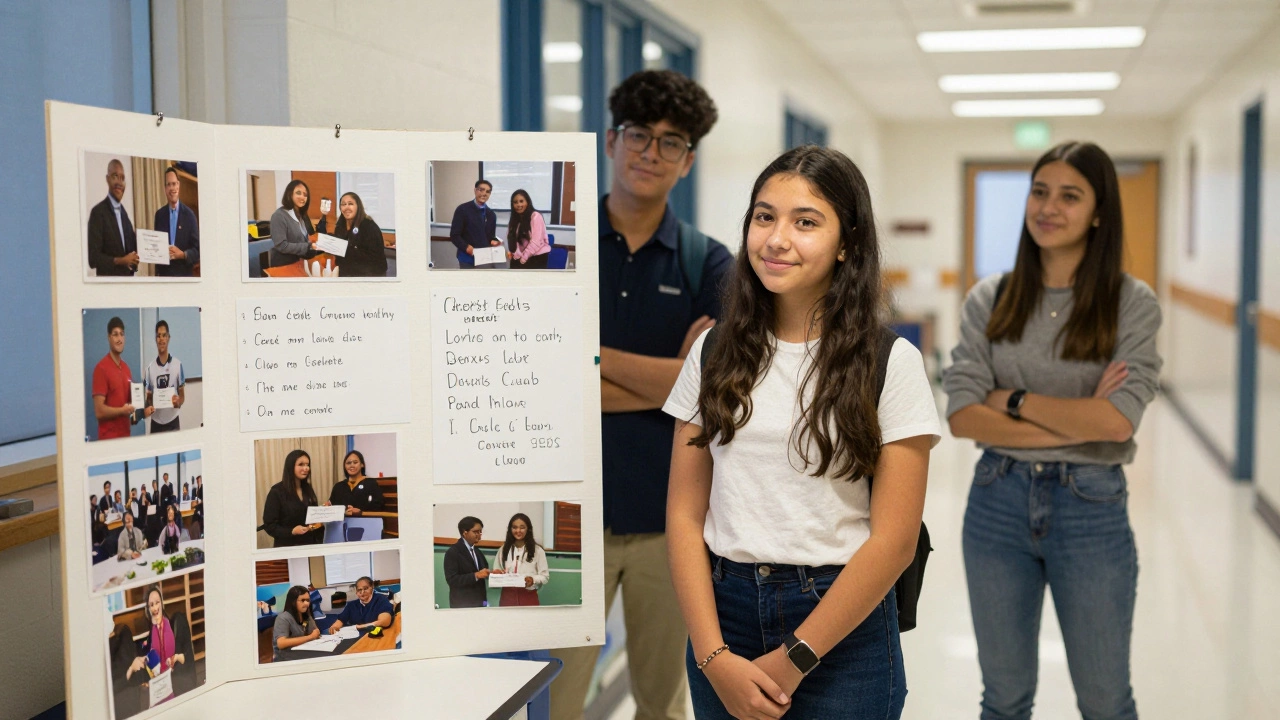
Make it visible
If no one knows your club exists, it won’t last. Visibility isn’t about flashy banners-it’s about showing real results. Put up a small display in the hallway with:- Photos of students in action (with permission)
- A list of what the club achieved this term
- A quote from a student: "I didn’t think I could speak in front of people-now I host our podcast."
Handle dropouts and low energy
Some weeks, no one shows up. Or half the group quits. It happens. Don’t panic. First, ask why. Talk to the students who left. Not in a group meeting-just one-on-one. Ask: "What made you stop coming?" Most of the time, the answer is simple:- "It felt too hard."
- "No one talked to me."
- "It didn’t feel like mine anymore."
Build community, not just skills
The most successful clubs aren’t the ones that win competitions. They’re the ones where students say, "This is where I feel like I belong." That happens when:- There’s space to laugh, mess up, and try again.
- Older students help younger ones without being told to.
- Everyone has a role-even if it’s just handing out pencils.
- There’s a tradition: a special snack, a greeting ritual, a song they sing at the end.

Get support without losing control
You’ll need help. But help shouldn’t mean someone else takes over. Ask for:- One parent volunteer to help with transport or snacks
- A local expert to come in once a term (a librarian, a musician, a tradesperson)
- Small funding from the school for basic supplies
Track what matters
You don’t need fancy reports. Just track three things:- Attendance (how many come each week)
- Student feedback (one quick question at the end: "What did you like most this week?" or "What would you change?")
- One small achievement (a completed project, a performance, a photo, a letter written to the mayor)
What to avoid
Here’s what kills school clubs fast:- Trying to do too much at once
- Letting one loud student dominate every meeting
- Changing the schedule without warning
- Forcing students to perform or compete
- Not listening when students say they’re bored
What’s the best age group to start a school club for?
There’s no perfect age. Clubs work for students from Year 5 through Year 12. The key is matching the activity to their developmental stage. Younger students need simpler tasks, more structure, and shorter sessions. Older students can handle more responsibility, longer projects, and leadership roles. The most successful clubs often mix age groups-older students mentor younger ones, which builds community.
How do I get students to join if no one signs up?
Don’t rely on sign-up sheets. Go to them. Talk to students in the hallway, during lunch, or after class. Ask what they’re interested in. Sometimes they don’t know they want a club until someone says, "Hey, there’s a group for people who like anime and drawing-want to come?" Start small. Invite five students you think might like it. Once they show up and have fun, they’ll bring their friends.
Can a school club run without a teacher sponsor?
Technically, yes-but it’s risky. Most schools require an adult sponsor for safety and liability reasons. But the sponsor doesn’t have to be a teacher. It could be a parent, a local volunteer, or even a retired community member. The key is having one responsible adult who can handle emergencies, communicate with the school, and help with logistics like room bookings or transport. The club itself should still be student-run.
How do I fund a school club with no budget?
Start with what you already have. Use old books, recycled materials, free online tools (like Canva or YouTube tutorials), and the school’s existing equipment. Ask parents for donations of snacks or used gear. Host a low-cost fundraiser like a bake sale or a talent show. Many schools have small discretionary funds for student activities-just ask the principal. The goal isn’t to spend money-it’s to create something meaningful with what’s available.
How often should a school club meet?
Once a week for 45-60 minutes is ideal. More often than that, students burn out. Less often, and momentum fades. Try to meet at the same time and place each week. Consistency matters more than duration. A 30-minute meeting that happens every Tuesday is better than a 90-minute meeting that happens randomly.
If you’re thinking about starting a club, don’t wait for permission to be perfect. Start small. Let students lead. Show up week after week. The rest will follow.