What is the Primary Aim of a Community Outreach Program? Goals, Strategies, and Impact
 May, 8 2026
Community Outreach Approach Analyzer
Discover Your Outreach Strategy Type
Answer these 5 questions about your community outreach program to determine if it leans toward a transactional (immediate relief) or transformational (long-term change) approach.
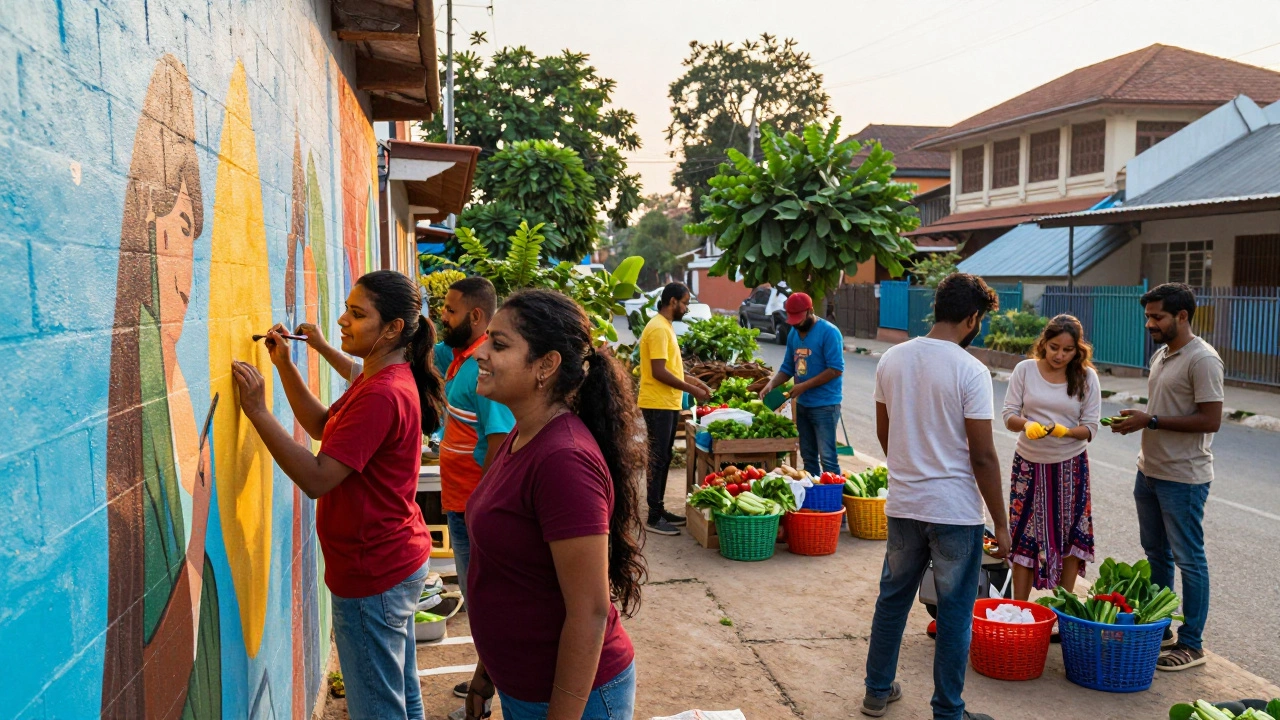
Imagine walking down your local street. You see a mural being painted by neighbors, a food drive collecting excess produce from local gardens, and a workshop teaching teenagers how to code. These aren't random acts of kindness; they are the visible results of community outreach programs, which are organized efforts by organizations to connect with, support, and empower specific groups within a society. But what drives these initiatives? Is it just about handing out resources? The answer is far more complex. The primary aim of any successful community outreach program is not merely to provide aid, but to build sustainable relationships that foster mutual trust, address root causes of social issues, and create lasting change.
The Core Objective: Building Trust and Relationships
At its heart, community outreach is about connection. Many organizations start with good intentions but fail because they treat communities as recipients rather than partners. The fundamental goal is to bridge the gap between an organization-whether it's a nonprofit, a government body, or a corporate entity-and the people it serves. This requires establishing credibility. When you show up consistently, listen actively, and respect local culture, you build social capital. This trust is the currency of effective outreach. Without it, even the most well-funded programs will struggle to gain traction. Think of it like planting a garden: you can buy the best seeds, but if the soil isn't prepared and nurtured, nothing grows.
This relational approach shifts the dynamic from transactional to transformational. Instead of asking, "What do we need to give them?" the question becomes, "How can we work together to solve this problem?" This shift empowers community members, giving them agency in their own development. It acknowledges that locals understand their challenges better than outside experts ever could. By prioritizing relationship-building, organizations ensure that their interventions are relevant, respectful, and responsive to actual needs.
Addressing Root Causes vs. Symptom Relief
A common misconception is that the aim of outreach is simply to fix immediate problems. While providing emergency food or shelter is vital, true community outreach aims to address the underlying systemic issues causing those problems. For example, a program might distribute winter coats (symptom relief), but its deeper aim is to advocate for affordable housing policies or job training programs that prevent homelessness in the first place (root cause analysis). This long-term perspective is crucial for creating sustainable impact. It moves beyond charity into social justice and structural change.
To achieve this, organizations must engage in thorough community assessment. This involves data collection, focus groups, and listening sessions to identify the drivers of inequality or disconnection. Maybe the lack of access to fresh food isn't just about grocery store locations, but about transportation barriers and economic disparities. By tackling these interconnected factors, outreach programs can break cycles of poverty and marginalization. This holistic approach ensures that resources are used efficiently and that benefits endure long after the initial intervention ends.

Empowerment and Capacity Building
Another critical aim is empowerment. Community outreach should equip individuals and groups with the skills, knowledge, and resources they need to thrive independently. This concept, known as capacity building, transforms beneficiaries into leaders. Imagine a literacy program that doesn't just teach reading but also trains volunteers from the community to become tutors. This creates a self-sustaining ecosystem where expertise remains local. Empowerment fosters resilience, enabling communities to withstand future shocks and adapt to changing circumstances.
This process often involves mentorship, leadership training, and resource sharing. It recognizes that every community has untapped potential. By investing in people, organizations help unlock that potential. For instance, a youth outreach program might offer coding workshops, but its real aim is to inspire young people to pursue tech careers, thereby diversifying the local workforce and boosting economic opportunity. Empowerment is about shifting power dynamics, ensuring that decisions affecting the community are made by the community itself.
| Aspect | Transactional Approach | Transformational Approach |
|---|---|---|
| Focus | Immediate needs | Long-term systemic change |
| Relationship | Giver-receiver | Partner-partner |
| Outcome | Temporary relief | Sustainable empowerment |
| Measurement | Number of items distributed | Changes in community capacity/well-being |
Strategies for Effective Implementation
Achieving these aims requires strategic planning. First, define clear, measurable goals. What does success look like? Is it increased voter turnout, reduced crime rates, or improved health outcomes? Specificity matters. Second, engage stakeholders early. Involve community leaders, local businesses, and residents in the design phase. Their insights will shape the program's direction and ensure buy-in. Third, leverage partnerships. Collaborate with other nonprofits, government agencies, and academic institutions to pool resources and expertise. No single organization can solve complex social issues alone.
Communication is also key. Use channels that resonate with your audience-social media, local radio, town halls, or door-to-door conversations. Transparency builds trust; share both successes and failures. Finally, evaluate continuously. Collect feedback and adjust strategies accordingly. If a program isn't working, be willing to pivot. Flexibility is essential in dynamic community environments. Regular evaluation ensures that the program remains aligned with its primary aim and delivers tangible value.

Measuring Success Beyond Numbers
How do you know if your outreach program is meeting its primary aim? Traditional metrics like attendance numbers or funds raised are useful but incomplete. They don't capture the depth of impact. Qualitative measures are equally important. Stories of individual transformation, surveys on perceived safety, and observations of increased civic participation reveal the true essence of success. Look for indicators of social cohesion, such as stronger neighborhood networks or greater political engagement. These signs point to a healthier, more resilient community.
Consider using mixed-methods evaluation. Combine quantitative data with qualitative insights to get a full picture. For example, track the number of people who complete a job training program (quantitative) and interview them about their confidence levels and career prospects (qualitative). This comprehensive approach validates whether the program is truly empowering participants. It also helps refine future initiatives, ensuring continuous improvement and alignment with community values.
Challenges and Pitfalls to Avoid
Despite best intentions, outreach programs face significant hurdles. One major pitfall is cultural insensitivity. Imposing external solutions without understanding local customs can alienate the very people you're trying to help. Another challenge is burnout among staff and volunteers. Sustainable outreach requires realistic timelines and adequate support systems. Additionally, funding instability can derail long-term projects. Diversify revenue streams through grants, donations, and earned income models to mitigate this risk. Always prioritize ethical practices, ensuring informed consent and protecting participant privacy. Ignoring these aspects undermines trust and compromises the program's integrity.
Resistance to change is another obstacle. Communities may be skeptical of new initiatives, especially if past promises were unfulfilled. Patience and persistence are required. Build credibility through small, consistent actions before launching large-scale campaigns. Listen to concerns and address them openly. By navigating these challenges thoughtfully, organizations can maintain focus on their primary aim and foster genuine community growth.
Real-World Examples of Impact
Consider a mental health outreach initiative in a suburban area. Its primary aim wasn't just to provide therapy slots but to reduce stigma around seeking help. By hosting open dialogues in schools and workplaces, the program normalized conversations about mental wellness. Over time, community members became advocates themselves, reaching peers who wouldn't have sought professional help otherwise. This ripple effect demonstrates how addressing attitudes can lead to broader behavioral changes. Similarly, environmental outreach programs that involve residents in tree-planting efforts not only green the city but also strengthen neighborhood bonds, proving that shared action yields multiple benefits.
What is the difference between community service and community outreach?
Community service typically refers to unpaid work done to benefit the community, often by individuals or groups fulfilling requirements. Community outreach, however, is a proactive strategy by organizations to connect with specific populations, build relationships, and address systemic issues. Service is an activity; outreach is a relationship-building process aimed at long-term impact.
Who usually runs community outreach programs?
A wide variety of entities run outreach programs, including non-profit organizations, government agencies, educational institutions, corporations (as part of CSR), religious groups, and grassroots community coalitions. The specific runner depends on the issue being addressed and the target audience.
How can I measure the effectiveness of my outreach program?
Effectiveness is measured through a mix of quantitative metrics (participation rates, funds raised, services delivered) and qualitative indicators (surveys, interviews, observed changes in community behavior or attitudes). Key performance indicators should align directly with your stated primary aims, focusing on both output and outcome.
Why is cultural sensitivity important in outreach?
Cultural sensitivity ensures that programs respect and align with the values, beliefs, and practices of the target community. Insensitivity can lead to mistrust, rejection of services, and even harm. Understanding cultural context allows for more effective communication, relevant programming, and stronger partnerships, ultimately enhancing the program's impact and sustainability.
Can small organizations have effective community outreach programs?
Absolutely. Small organizations often have the advantage of agility, deep local knowledge, and strong personal connections. While they may lack large budgets, they can leverage volunteer power, form strategic partnerships, and focus on niche issues where they can make a significant dent. Authenticity and consistency matter more than size when building community trust.