What Is the Most Popular Form of Giving Charity Today?
 Jan, 20 2026
Charity Impact Calculator
See Your Impact
How much can $10, $25, or $100 really do for people in need? See the real-world difference your cash donation makes.
Why Cash Matters
Cash donations give charities the flexibility they need to address immediate needs. Here's how your donation makes a difference:
Your Impact
Enter your donation amount to see the impact
How This Compares to Other Giving Methods
$50 CASH = 100 meals or 5 nights of shelter
$50 IN GOODS = About 10 meals (if the goods are needed)
$50 IN GOODS = Requires sorting, storage, and distribution
Every year, people give over $500 billion to charity worldwide. But not all giving looks the same. While you might picture a gala dinner or a walkathon, the truth is, most charity happens quietly-behind screens, in paychecks, and at grocery checkout counters. The most popular form of giving charity today isn’t an event. It’s direct cash donations.
Money Wins, Every Time
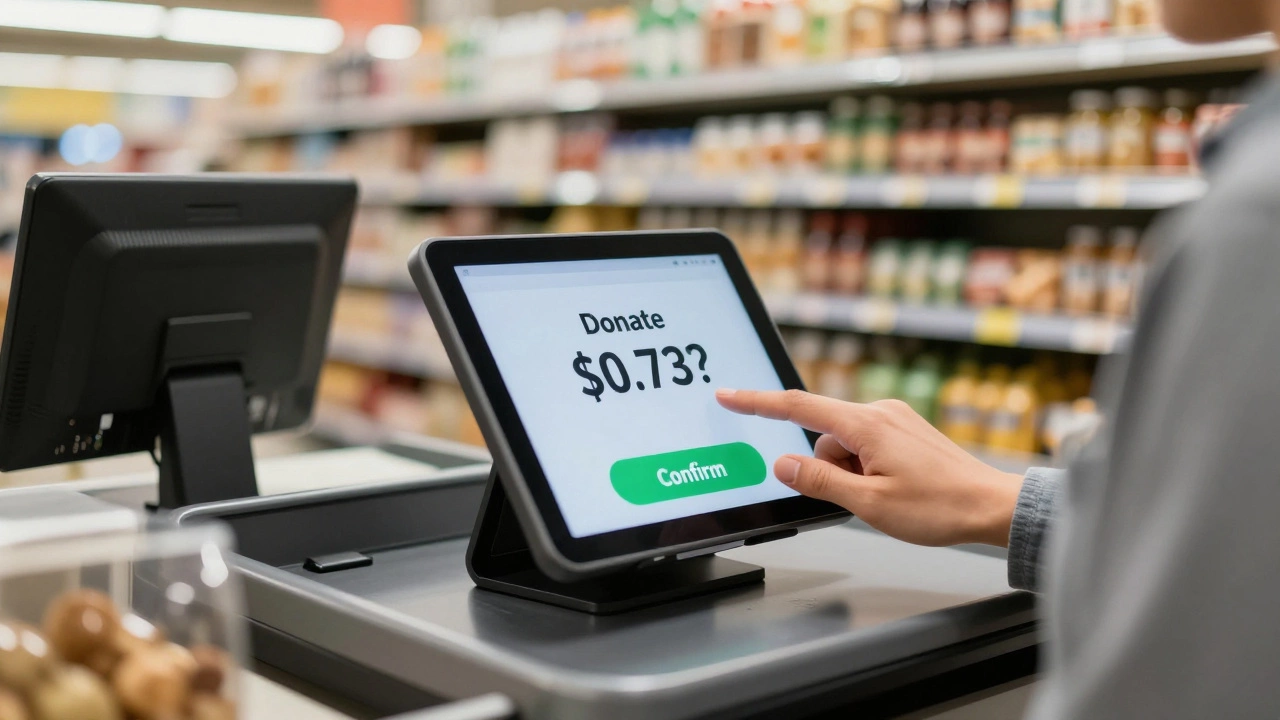
According to the Giving USA Foundation, over 68% of all charitable giving in the U.S. in 2024 came from individual cash donations. That’s not just checks or online transfers-it’s automatic payroll deductions, Venmo links in church bulletins, one-click giving on nonprofit websites, and even rounding up your grocery bill to the nearest dollar. Cash donations are simple, fast, and give nonprofits the flexibility to use funds where they’re needed most.
Think about it: a food bank can’t use a donated sweater if it’s already full of canned goods. A shelter can’t fix a leaky roof with a box of toys. But $50? That buys 100 meals, repairs a heater, or pays for a night’s safe sleep for someone in crisis. Money gives organizations the power to respond, not just react.
Why Cash Beats Everything Else
Other forms of giving-like donating goods, volunteering time, or buying merchandise-sound noble. And they are. But they don’t come close to cash in volume or impact.
- Donating goods (clothes, toys, food): Makes up about 12% of total giving. It’s hard to store, sort, and distribute. Many items end up in landfills because they’re outdated, damaged, or just not needed.
- Volunteering: Over 60 million Americans volunteer each year. But time doesn’t pay bills. Nonprofits still need money for staff, utilities, and supplies-even when volunteers show up.
- Charity events (walks, auctions, galas): These raise awareness and build community, but they often cost more to run than they bring in. After paying for venues, permits, and marketing, many events net less than 30% of gross revenue.
- Corporate matching: A great bonus, but it only works if individuals give first. The matching dollar is secondary.
The real winner? Direct, unrestricted cash. It’s the most efficient, most trusted, and most frequently used method. A 2023 survey by the Charities Aid Foundation found that 7 out of 10 donors gave cash because they wanted to make sure their contribution had the greatest possible effect.
How People Are Giving Cash Today
It’s not 1995 anymore. People aren’t mailing checks to charities. They’re giving in ways that fit their lives.
- Text-to-donate: You see a disaster on the news. You text a keyword to a number. $10 is charged to your phone bill. Done. In 2024, over $1.2 billion was raised this way.
- Online platforms: GoFundMe, PayPal Giving Fund, and direct nonprofit websites let you give in under 30 seconds. No forms. No paperwork.
- Payroll giving: Nearly 1 in 5 U.S. workers gives through workplace programs. That’s automatic, recurring, and often tax-deductible.
- Round-up apps: Apps like Acorns and DonateMyRound let you donate spare change from everyday purchases. In 2024, users gave over $400 million through round-up features alone.
These aren’t gimmicks. They’re tools designed for real people with real lives. The barrier to giving is lower than ever. And that’s why cash donations keep rising.
What About Charity Events?
You asked about charity events-and yes, they still matter. Walks for cancer, benefit concerts, and auctions draw crowds and create emotional connections. But they’re not the main source of funding.
Here’s the math: A 5K walk with 1,000 participants might raise $150,000. Sounds impressive. But if 1,500 people each gave $100 online, they’d raise the same amount-with no venue, no permits, no T-shirts, no volunteers managing water stations. And the nonprofit keeps 95% of the money, not 30%.
Events are great for storytelling. They turn donors into advocates. But they’re not the engine of giving. Cash is.
Why Don’t More People Know This?
Because the media and nonprofits often highlight the flashy stuff. A celebrity at a gala makes headlines. A quiet monthly donor doesn’t. But the quiet donors are the ones keeping the lights on.
Nonprofits also push events because they’re easier to measure. “We raised $200,000 at our dinner!” sounds better than “We received 4,200 small donations totaling $210,000.” The latter doesn’t make a good photo. But it’s far more sustainable.
There’s also a myth that donating goods is “more personal.” But most people who donate clothes or toys aren’t thinking about logistics. They’re trying to help. And that’s good. But if you want to make the biggest difference, cash lets the experts on the ground decide what’s truly needed.

What Should You Do?
If you want to give effectively, here’s what actually works:
- Give cash-even $5 a month adds up. Recurring donations are the most valuable because they help nonprofits plan.
- Use direct giving-go to the nonprofit’s website, not a third-party platform. More money goes to the cause.
- Ask how they use donations-good organizations publish annual reports showing where every dollar goes.
- Don’t feel guilty about skipping events-if you can’t attend a fundraiser, your cash gift still helps.
- Consider workplace giving-if your employer offers payroll deduction, sign up. It’s easy and automatic.
Charity isn’t about how loud your giving is. It’s about how much good it does. And when it comes to impact, nothing beats a simple, direct cash donation.
Is donating clothes or food better than giving money?
Not usually. While donating goods feels personal, most charities struggle to store, sort, and distribute physical items. Many donated clothes end up unsold or thrown away. Cash lets organizations buy exactly what they need, when they need it-whether it’s food, medicine, or heating fuel. For example, $20 can buy 100 meals from a food bank’s bulk supplier, but a box of canned goods might only feed 10 people.
Do charity events actually raise a lot of money?
Sometimes, but not as much as you think. After paying for venues, permits, staff, and marketing, many events net only 20-30% of the total money raised. A $100,000 gala might leave the nonprofit with $25,000. Meanwhile, 1,000 online donations of $100 each would bring in $100,000 with almost no overhead. Events are great for awareness, but cash is better for funding.
Is it better to give once or set up monthly donations?
Monthly donations are far more valuable. One-time gifts help with immediate needs, but recurring gifts let nonprofits plan long-term. A $25 monthly donor gives $300 a year-enough to feed a child for a month, pay for a week of counseling, or cover a shelter’s utility bill. Nonprofits say recurring donors are the backbone of their budgets.
Can I trust online donation platforms?
Yes-if you choose wisely. Platforms like PayPal Giving Fund and GoFundMe are legitimate, but they sometimes take fees. For maximum impact, donate directly through the charity’s official website. Look for secure URLs (https://), clear contact info, and transparency reports. Sites like Charity Navigator and GuideStar rate nonprofits on financial health and accountability.
What’s the easiest way to start giving cash?
Start small and automate. Set up a $10 monthly donation through your bank or payroll system. Or use a round-up app that donates spare change from purchases. You won’t even notice it’s gone, but over a year, that’s $120 or more going to a cause you care about. The hardest part is deciding where to give-after that, the rest is easy.
Final Thought
The most popular form of giving charity isn’t the one you see on TV. It’s the quiet, regular, digital, and direct gift that doesn’t make headlines-but keeps shelters open, meals on tables, and hope alive. You don’t need to host an event or buy a raffle ticket. You just need to open your wallet and hit ‘donate.’ That’s how real change happens.