What Is the Best Outreach Program for Your Community?
 Mar, 13 2026
There’s no one-size-fits-all answer to what the best outreach program for your community is. That’s because every neighborhood has its own needs, culture, and challenges. A program that works wonders in a suburban area might fall flat in a densely populated urban block, and vice versa. The real question isn’t what the best program is - it’s how to find the one that actually fits your community.
Start by listening, not pitching
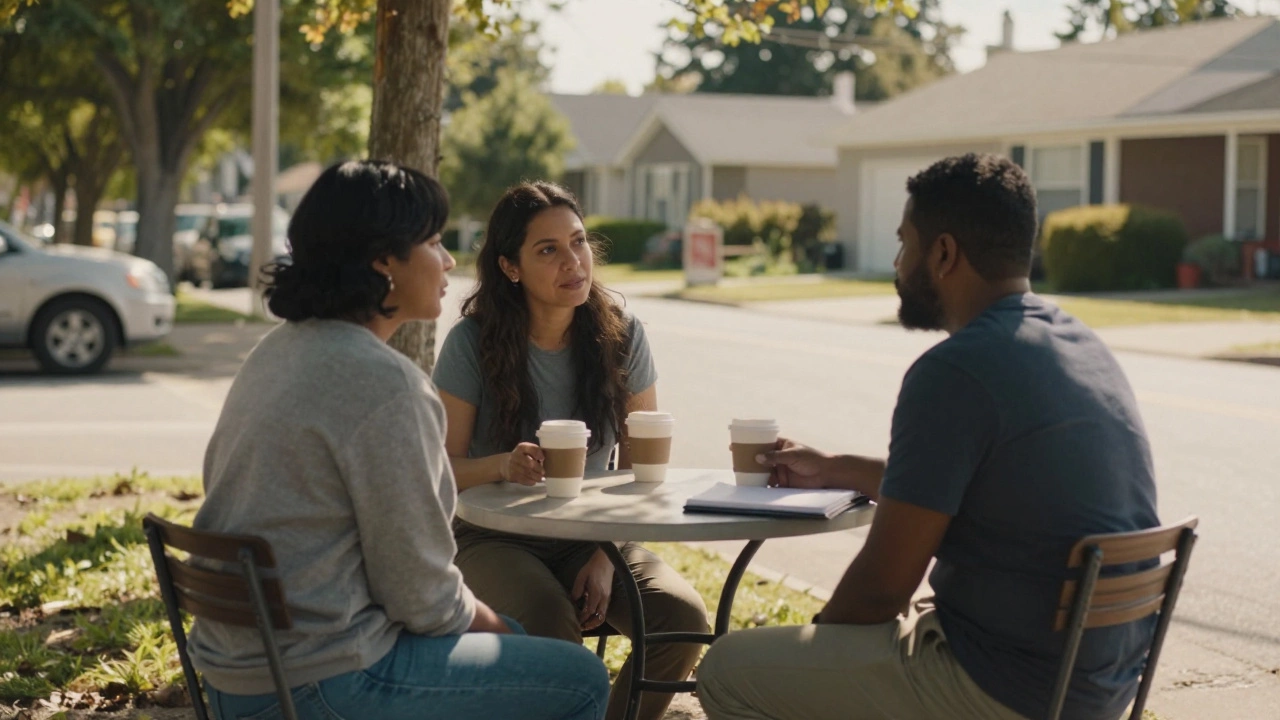
Too many outreach efforts fail because they’re built from assumptions. Someone decides that food drives are the answer, or that after-school tutoring will solve everything, without asking the people who live there. The truth? The people in your community already know what they need. You just have to ask.Go door to door. Set up a table at the local market. Host a coffee hour at the community center. Ask simple questions: What’s one thing that would make life easier here? What have you tried before that didn’t work? Don’t lead the conversation. Don’t suggest solutions. Just listen. You’ll hear patterns - maybe most people are worried about transportation to the clinic, or kids have nowhere to go after school, or seniors feel isolated.
In Melbourne’s inner north, a group of volunteers did exactly this. They talked to 120 households over six weeks. What they found? No one asked for a food bank. But 73% said they struggled to get to medical appointments because public transport was unreliable. That led to a volunteer driver network - not a fancy app, not a grant-funded service. Just neighbors with cars offering rides on weekends. Within six months, it became the most trusted outreach program in the area.
Match the program to the problem
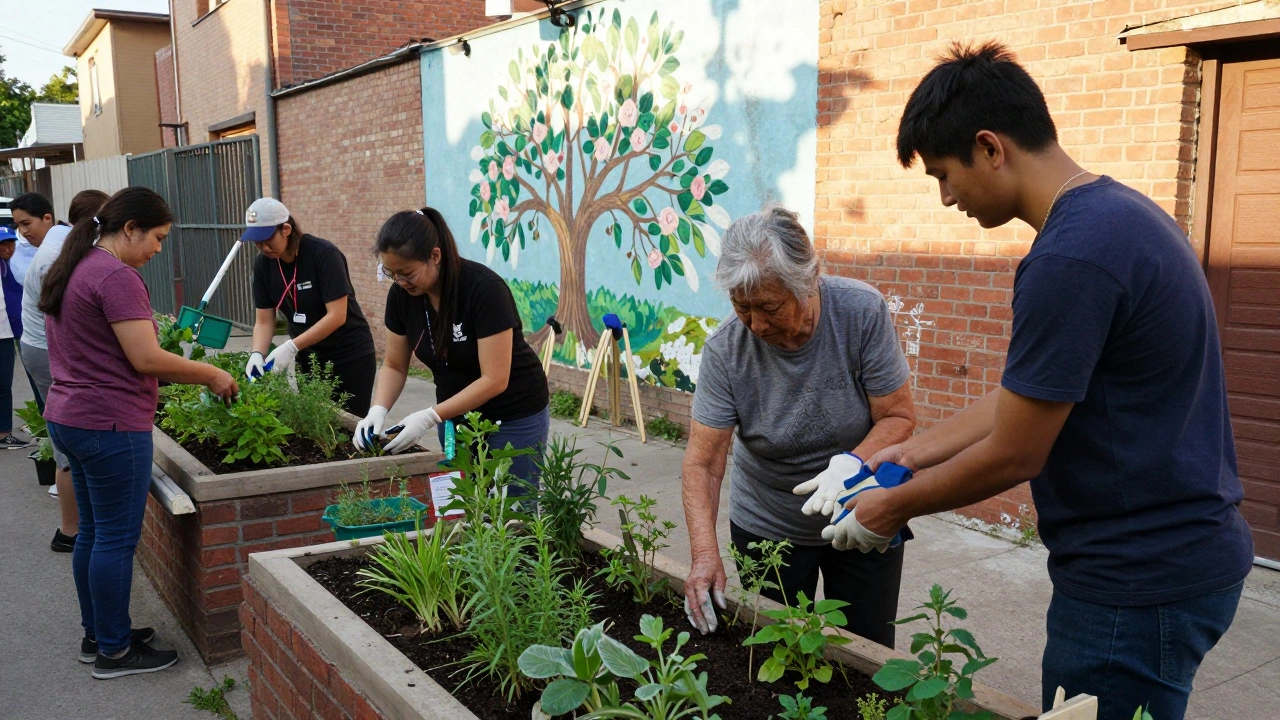
Once you’ve got real data, you can match a program to the actual issue. Here are a few proven models that have worked in different contexts:- Neighborhood clean-up crews - Effective in areas with visible litter, abandoned lots, or poor waste collection. In Footscray, a weekly cleanup group turned an unused alley into a community garden. No funding. Just tools, gloves, and 15 volunteers every Saturday.
- Peer support circles - Great for mental health, addiction recovery, or loneliness. In St Kilda, a group of retired nurses started weekly tea-and-chat sessions. No therapists. No forms. Just conversation. Attendance grew from 4 to 47 people in eight months.
- Mobile resource vans - Useful in areas with limited access to services. A van that visits low-income housing blocks once a week with free phone chargers, hygiene kits, and info on welfare programs has helped over 2,000 people in Dandenong since 2023.
- Local skill-sharing workshops - People love to teach and learn. A single mother in Brunswick started a monthly “Fix It Night” where people bring broken appliances, clothes, or furniture. Volunteers help repair them. No cost. Just tools and patience. Now it’s a monthly event with 60+ attendees.
These aren’t flashy. They don’t have big logos or Instagram campaigns. But they work because they’re built from the ground up - not handed down from an NGO or government agency.
Use what you already have
You don’t need a big budget to run a successful outreach program. You need people who care, a space to meet, and consistency.Look around. Who already shows up? The librarian who knows every kid’s name? The church volunteer who organizes the weekly meal? The local shop owner who lets people leave their bikes outside? These are your allies. They’re not part of any official system, but they’re already doing outreach - quietly, reliably.
Instead of starting from scratch, partner with them. Offer to help with paperwork. Bring coffee on meeting days. Share their event on your Facebook group. That’s how networks grow. One person connects to another. A quiet effort becomes a movement.
In Preston, a local hairdresser started offering free haircuts to people experiencing homelessness. She didn’t launch a nonprofit. She just told her clients. Within a year, three other barbers joined. Now they meet every Thursday at the community hall. No grants. No permits. Just a table, a chair, and a pair of scissors.
Keep it simple, keep it going
The most successful outreach programs aren’t the ones with the most funding. They’re the ones that keep happening.Too many programs die because they’re built for a grant cycle - six months of energy, then silence. Sustainability isn’t about money. It’s about rhythm. A weekly meeting. A monthly drop-in. A consistent time and place.
Start small. Pick one thing. Do it once a week for three months. See who shows up. See what changes. If it sticks, you’ve got something real. If it doesn’t, you’ve learned something valuable - and you didn’t burn out a dozen volunteers.
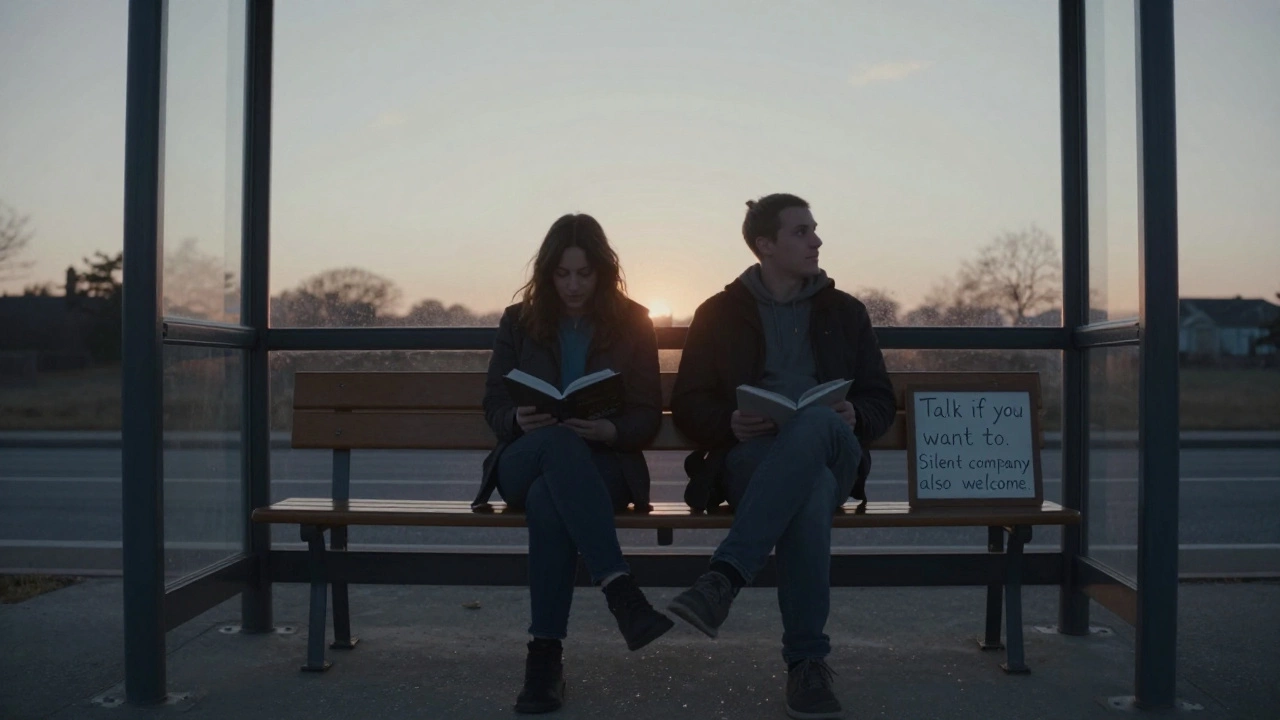
One of the longest-running outreach efforts in Melbourne is the “Bench Buddies” project in Carlton. Every Sunday at 2 p.m., two people sit on a bench near the tram stop with a sign: “Talk if you want to. Silent company also welcome.” No agenda. No surveys. Just presence. It started in 2020. Over 500 people have sat there. No one has ever been turned away. It still runs every week.
What doesn’t work
Avoid these common traps:- Top-down programs - When outsiders decide what’s best for your community. They rarely last.
- One-off events - A single food drive or charity concert feels good, but doesn’t build trust.
- Over-reliance on volunteers - If your program depends on five people, it’ll collapse when one of them gets sick or moves away.
- Trying to be everything - Don’t try to solve homelessness, mental health, education, and unemployment all at once. Pick one thread and pull on it.
How to get started this week
You don’t need permission. You don’t need a budget. You just need to begin.- Walk around your neighborhood. Notice what’s missing. Is there a bench with no shade? A park with broken swings? A corner store that’s always closed on Sundays?
- Find one person who already cares - the school janitor, the local gardener, the owner of the laundromat. Ask them: “What’s one thing your neighbors need that no one’s helping with?”
- Propose a tiny, low-pressure idea: “What if we had a free book box on the corner?” or “Could we meet every Tuesday at the library to fix phones?”
- Do it. Just once. See who shows up.
- Repeat. Then repeat again.
The best outreach program isn’t the one with the biggest sign or the most social media followers. It’s the one that keeps showing up - quietly, reliably, and with heart.