What If I'm Hungry and Have No Money for Food? A Guide to Immediate Help
 Jun, 26 2026
Immediate Food Help Finder
Answer 3 quick questions to get personalized recommendations for getting food today
Where are you located?
Australia
Melbourne, Sydney, Brisbane, Perth, etc.
United States
All states and territories
United Kingdom
England, Scotland, Wales, Northern Ireland
Other Country
General guidance applies everywhere
What is your household situation?
Single Adult
Just me
Couple
Two adults, no children
Family with Children
One or more children under 18
Senior (65+)
Retired or pensioner
How urgent is your need?
Right Now
I haven't eaten in 24+ hours
Today
Need food by end of day
This Week
Running low, need supplies soon
Here's Your Personalized Action Plan
Based on your answers, here are the best options for you:
It happens faster than you think. One medical bill, a car repair, or a sudden layoff can wipe out your savings in days. You look at your fridge, see nothing but empty shelves, and feel that tightness in your chest. You are hungry, broke, and worried about what comes next. This is not just a hypothetical scenario; it is the reality for thousands of people right now.
If you are reading this because you need food today, stop scrolling and take a breath. There are immediate ways to get free groceries without judgment. Whether you are in Melbourne, another Australian city, or elsewhere, systems exist to catch you when you fall. Here is exactly how to find help right now.
Immediate Steps to Get Free Food Today
When hunger strikes and your wallet is empty, time is critical. You do not have weeks to apply for long-term assistance. You need calories now. The fastest route is usually through local community organizations rather than government bureaucracy, which can take days or weeks to process.
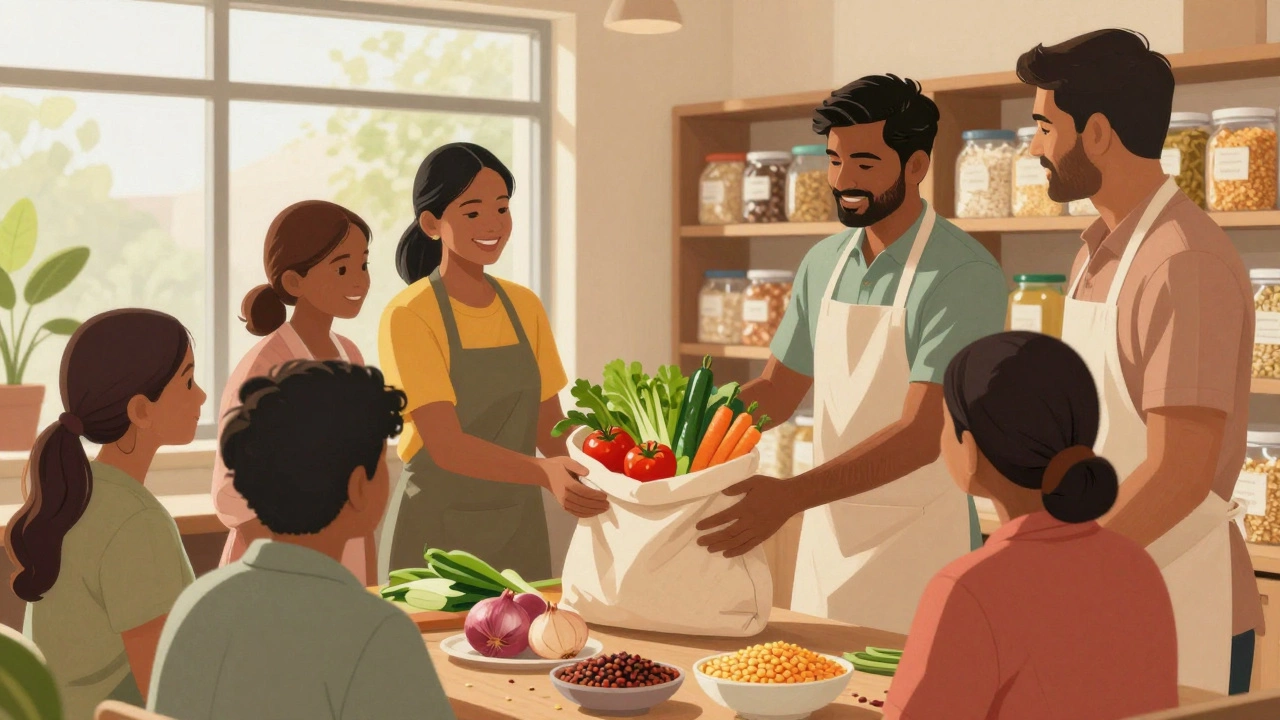
In Melbourne, for example, organizations like The Salvation Army and Vinnies run extensive food relief programs. You can often call ahead to check their hours and specific requirements. Some locations offer "food parcels" that you pick up, while others have drive-through services if you have a vehicle.
- Call before you go: Many food banks have limited stock. Calling ensures they have enough for you and saves you a wasted trip.
- Bring ID: While many places don't strictly require it, having some form of identification speeds up the process significantly.
- Ask about vouchers: Some agencies provide grocery store vouchers instead of pre-packed bags, giving you more control over what you buy.
The Rise of Community Fridges
A newer, less formal option gaining traction globally is the community fridge. These are refrigerators placed in public spaces-outside cafes, libraries, or community centers-where anyone can donate non-perishable or fresh food, and anyone can take what they need.
This model removes the stigma entirely. There is no application form, no interview, and no waiting list. It operates on the principle of mutual aid. In cities like Melbourne, Sydney, and London, these fridges are becoming common sights. They are particularly useful for quick meals or ingredients if you have access to a kitchen but lack funds for a full grocery shop.
To find one near you, search social media platforms like Facebook or Instagram for terms like "community fridge [your city]" or "mutual aid food share." Local neighborhood groups often maintain lists of these locations. Remember to take only what you need so there is enough for others.
Government Assistance Programs
While food banks provide immediate relief, government programs offer longer-term stability. If you are in the United States, the primary program is SNAP (Supplemental Nutrition Assistance Program), formerly known as food stamps. Eligibility depends on income, household size, and assets. Applications can often be started online through your state’s department of social services.
In Australia, the system works differently. There is no direct equivalent to SNAP for general low-income households. Instead, support comes through:
- Centrelink Payments: If you are unemployed, studying, or caring for someone, you may qualify for JobSeeker, Youth Allowance, or other payments. These are cash transfers that you can use for food.
- Energy and Rent Relief: Reducing other bills frees up money for groceries. Check if you qualify for state-based energy concessions or rent assistance.
- Emergency Relief: State governments often have small emergency funds for crisis situations, including food shortages. Contact your local council or state welfare department.
Applying for these programs takes time, but it is crucial for preventing future hunger. Do not wait until you are starving to start the paperwork. Start the application today, even if you are unsure if you qualify. The worst that can happen is a denial, which gives you clarity.
School Meals and Family Support
If you have children, schools can be a vital resource. Many schools offer breakfast clubs or lunch programs for students who might otherwise go hungry. In Australia, the Free School Meals initiative has expanded in recent years, providing hot meals to eligible students during school terms.
Contact your child’s school administration directly. Ask if they participate in any federal or state meal programs. Even if the school doesn’t have a formal program, teachers and counselors often know about local charities that provide backpacks of food for weekends.
For families, organizations like Rupee (formerly OzHarvest) deliver nutritious meals to communities across Australia. They work with partner organizations to ensure families receive balanced meals, not just filler foods. Reach out to them to see if they serve your area.
How to Navigate the System Without Shame
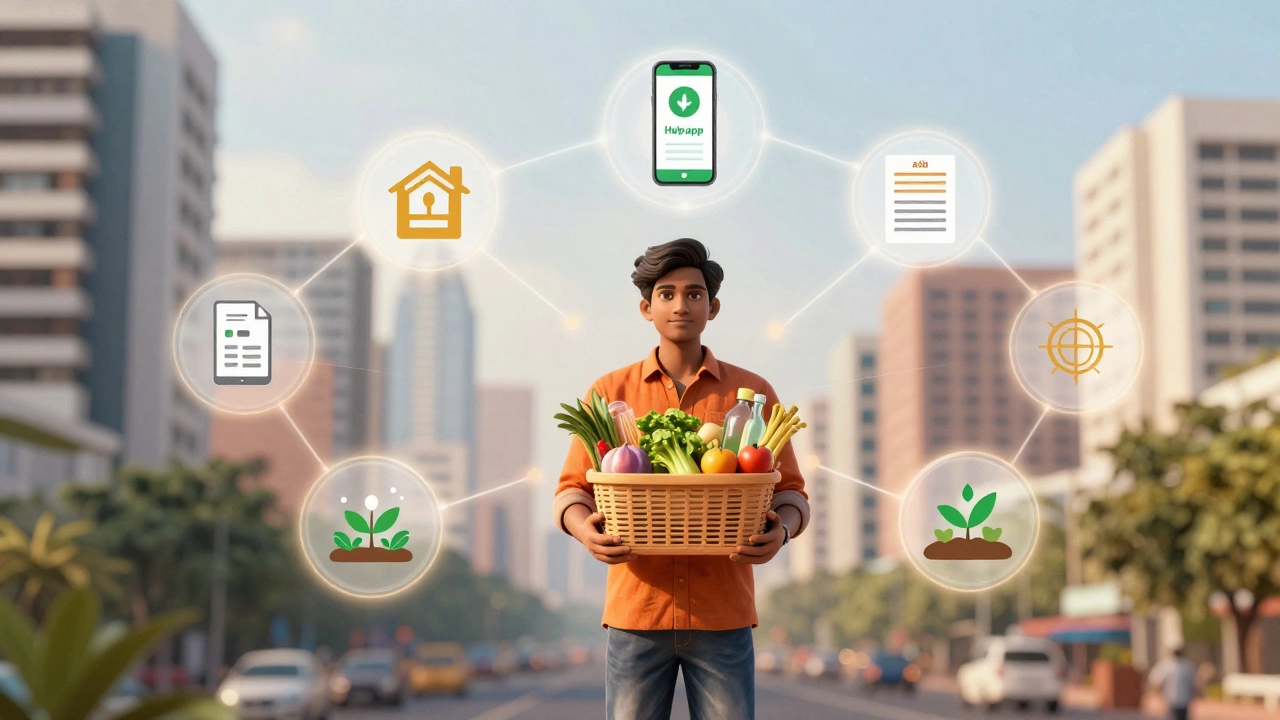
Asking for help is hard. Pride can keep people from eating for days. But remember: using these resources is not a failure. It is a smart, responsible action. Food insecurity affects everyone at some point-students, retirees, parents, and workers. You are not alone.
Here is how to approach these interactions with confidence:
- Be honest: Staff at food banks and charities deal with this every day. They want to help. Tell them your situation clearly.
- Know your rights: You are entitled to basic nutrition. Denial of service based on appearance or background is unacceptable. If you feel mistreated, ask to speak to a supervisor.
- Build a network: Connect with local community centers. They often host free events, workshops, and meals. Building relationships here can lead to ongoing support beyond just food.
Preventing Future Food Crises
Once you have addressed the immediate hunger, focus on building resilience. Budgeting tools can help track expenses and identify areas to cut back. Apps like EveryDollar or simple spreadsheet templates can make a difference.
Consider cooking in bulk. Buying staple ingredients like beans, lentils, and rice in larger quantities is cheaper per serving. Community gardens and urban farming projects also offer opportunities to grow your own vegetables at little to no cost.
Finally, explore skill-sharing networks. Sometimes trading skills-like tutoring, pet sitting, or handyman work-can generate quick cash for groceries without needing a formal job.
Can I get free food if I have never applied for government benefits?
Yes. Most food banks and community fridges do not require you to be on government benefits. They operate independently. However, applying for government aid is still recommended for long-term support.
Do I need an appointment to visit a food bank?
It varies by location. Some food banks operate on a first-come, first-served basis, while others require appointments due to high demand. Always call ahead to check their current policy.
Are community fridges safe to use?
Generally, yes. Most community fridges are monitored and cleaned regularly. However, use common sense: inspect food for expiration dates and proper storage conditions before consuming it.
What should I bring to a food bank?
Bring a valid ID and proof of address if possible. Also, bring reusable bags or containers to carry your food home. Some food banks provide bags, but it is best to be prepared.
How often can I visit a food bank?
Most food banks allow visits once a week or once a month, depending on their resources. Check with the specific organization for their frequency rules.