What Does Good Community Outreach Look Like? A Practical Guide
 Jun, 20 2026
Community Outreach Effectiveness Calculator
Rate Your Current Outreach Approach
Evaluate your organization's current practices across five key dimensions. Move the sliders to match your reality.
Your Effectiveness Score
Room for Improvement
Your outreach shows some good practices but has significant gaps in building genuine community trust.
Focus on deep listening sessions before launching new programs. Hold town halls where residents lead the conversation.
Priority Actions:
- ▶ Conduct door-to-door surveys in underserved areas
- ▶ Establish a community advisory board with real decision-making power
- ▶ Track qualitative feedback through resident stories
You know that feeling when you walk past a perfectly good garden that’s just choked with weeds? Now imagine if someone actually showed up with gloves and a rake. That is the difference between bad outreach and good outreach. Most organizations treat community outreach like a marketing campaign: they drop flyers, hold one event, and hope for the best. Real connection doesn’t work that way. It requires showing up consistently, listening more than you speak, and solving actual problems people have.
If you are wondering what effective engagement actually looks like in practice, it isn't about how many logos you can get on a banner. It is about trust. And trust takes time to build. In this guide, we will break down exactly what makes outreach stick, why most programs fail, and how you can fix yours before your next budget cycle.
The Core Principle: Listening Before Acting
The biggest mistake nonprofits and businesses make is assuming they know what the community needs. You might think a neighborhood wants a new playground. But maybe they want better street lighting because they feel unsafe walking home at night. If you build the playground without asking, you wasted money and missed the real issue.
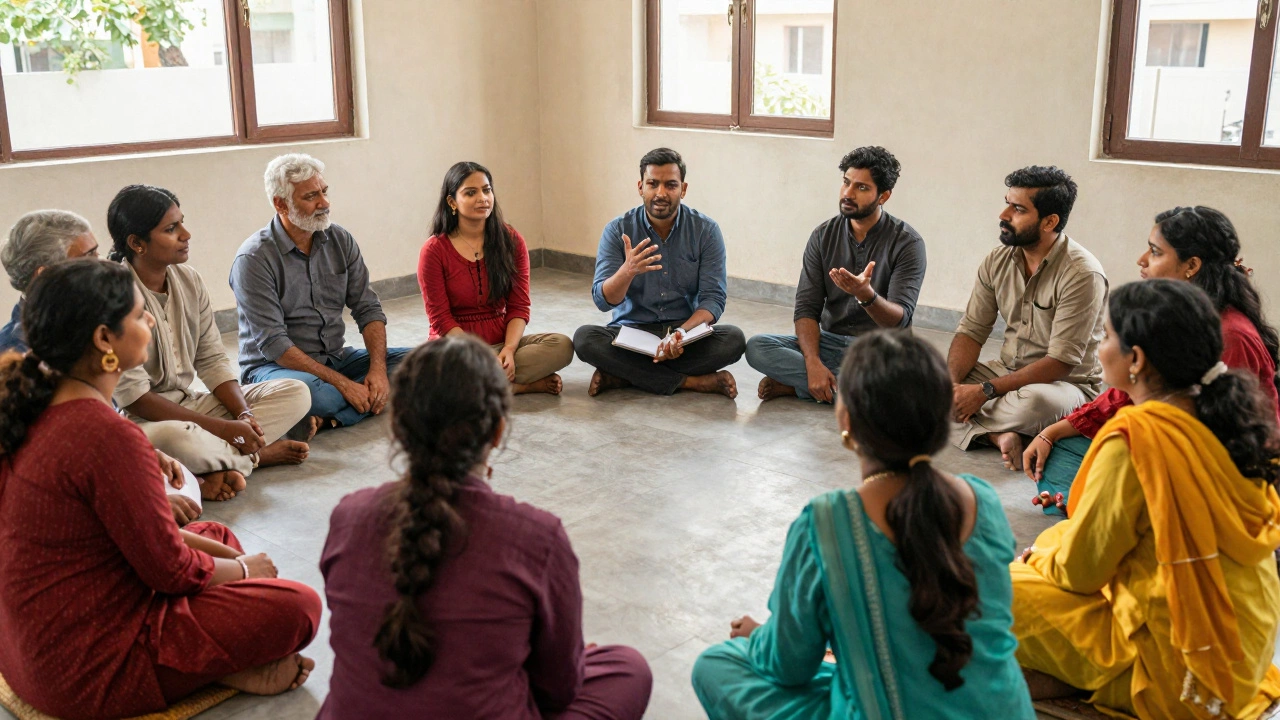
Good outreach starts with deep listening. This means holding town halls where you shut up and let people talk. It means conducting door-to-door surveys in areas you don’t usually visit. It means hiring staff who actually live in the neighborhoods you serve. When you listen first, you stop guessing and start solving.
Why do most community outreach programs fail?
Most programs fail because they are top-down rather than bottom-up. Organizations decide what to give instead of asking what is needed. This leads to solutions that miss the mark, low participation rates, and wasted resources. Without genuine input from residents, outreach feels like an intrusion rather than help.
Building Genuine Relationships, Not Transactions
Think about your own life. Who do you trust? Probably not the person who only calls you when they need something. The same rule applies to communities. If your organization only shows up during election season or when you need volunteers for a cleanup day, people will see you as transactional. They will remember the last time you left without following through.
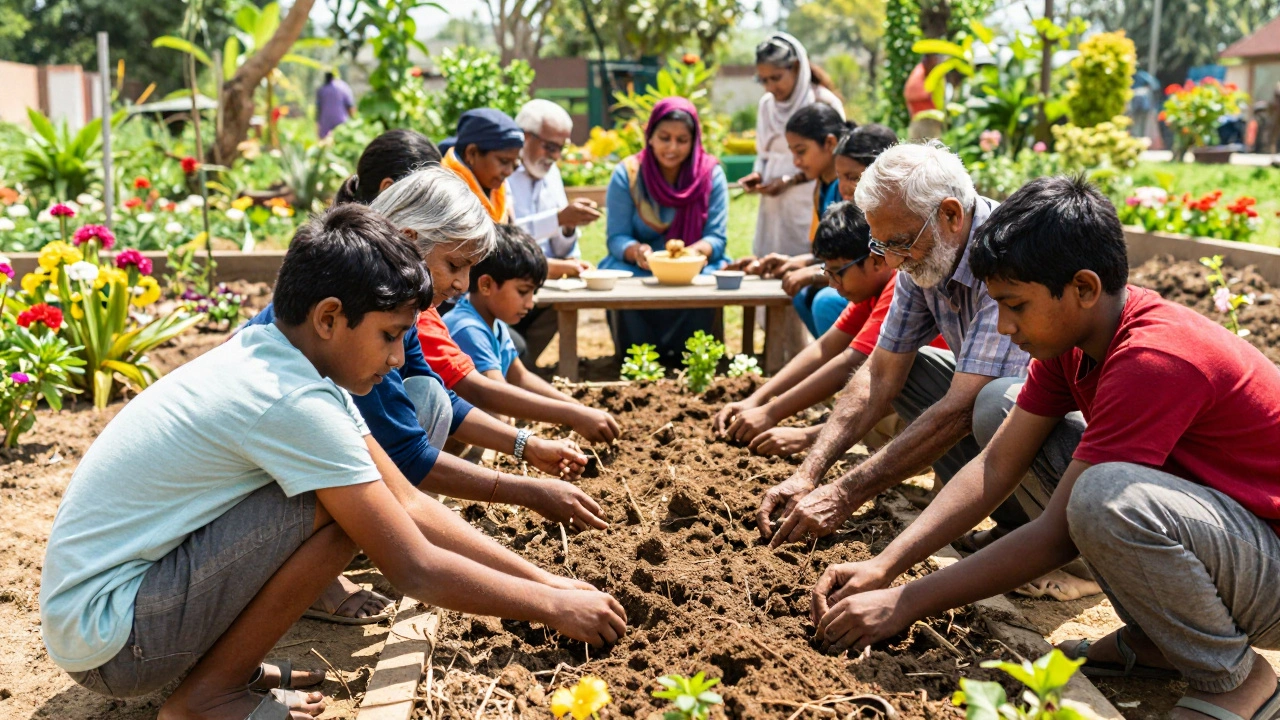
Genuine relationships require consistency. Show up even when there is no big event. Attend local school board meetings. Sponsor the little league team without putting your logo everywhere. Be present in the daily rhythm of the area. Over time, neighbors start seeing your staff as friends, not outsiders. This shift changes everything. People open doors. They share information. They advocate for you when challenges arise.
In Melbourne, where I’ve seen countless local initiatives rise and fall, the ones that survived were the ones that treated residents as partners. They didn’t just ask for donations; they asked for advice. They invited locals to sit on advisory boards. They gave power back to the people they claimed to serve.
Measuring Impact Beyond Headcounts
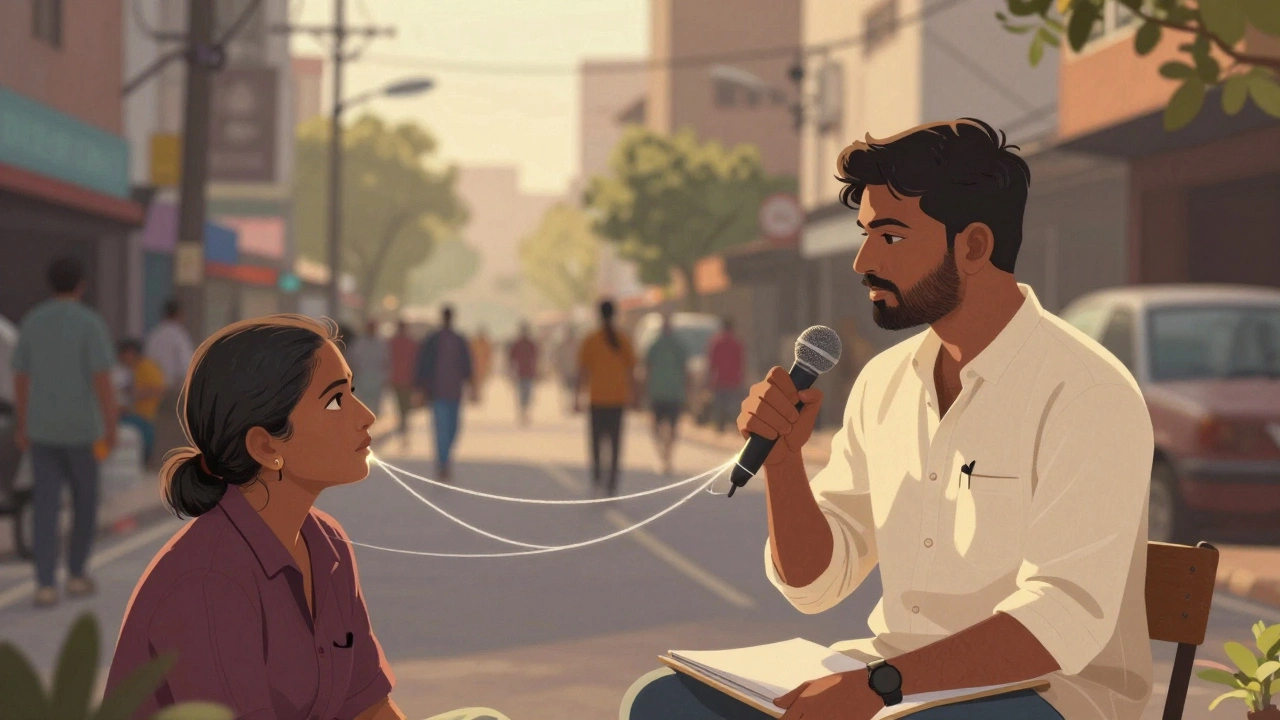
How do you know if your outreach is working? If your only metric is “number of attendees,” you are missing the point. Counting heads tells you nothing about change. Did those attendees feel heard? Did their situation improve? Are they more connected to their neighbors?
Effective measurement looks at outcomes, not outputs. Here are three better metrics to track:
- Retention Rate: How many people return for a second or third interaction? High retention signals trust.
- Qualitative Feedback: Collect stories, not just survey scores. Ask, “How has this changed your life?”
- Community-Led Initiatives: Are residents starting their own projects inspired by your work? This is the ultimate sign of success.
If you are struggling to measure these soft skills, consider looking at other industries that rely heavily on personal connection and verified trust networks. For example, some service directories focus intensely on reputation and direct user feedback to ensure quality, much like how a community group should monitor its standing among locals. You can see examples of how detailed profile verification works in places like this directory, which emphasizes transparency and user ratings to maintain credibility within its specific niche.
Overcoming Barriers to Participation
Even the best intentions hit walls. People are busy. They are tired. They don’t have childcare. They don’t trust institutions. Good outreach anticipates these barriers and removes them.
Hold events at times that work for working parents, not just after typical office hours. Provide free food and transport vouchers. Offer childcare on-site. Translate materials into all languages spoken in the area. Make participation easy and accessible. If you make it hard for people to join, you are selecting for privilege, not community.
Also, recognize that trauma affects engagement. Many marginalized communities have been burned by broken promises from government and corporations. Acknowledge this history. Apologize for past mistakes if necessary. Move slowly. Let people set the pace. Rushing creates resistance; patience builds bridges.
The Role of Local Partnerships
You cannot do it alone. No single organization has the reach or resources to solve complex social issues. Partner with existing groups that already have trust. Faith-based organizations, local schools, small business associations, and cultural centers are goldmines for connection.
But partnership means sharing power, not just borrowing space. Don’t just rent their hall for your event. Co-create programs together. Share budgets. Credit them publicly. When you elevate local leaders, you amplify your impact exponentially. These partners become your eyes and ears on the ground, helping you navigate nuances you would never see from the outside.
| Feature | Traditional Outreach | Effective Outreach |
|---|---|---|
| Decision Making | Top-down (Organization decides) | Bottom-up (Community co-creates) |
| Frequency | Event-based (Sporadic) | Continuous (Daily presence) |
| Metric | Headcounts / Attendance | Trust / Retention / Outcomes |
| Partnerships | Transactional (Renting space) | Collaborative (Shared goals) |
Creating Sustainable Systems
Outreach shouldn’t depend on one charismatic leader or a short-term grant. Build systems that outlast individuals. Document processes. Train multiple staff members. Create clear roles for volunteers. Develop a pipeline for recruiting diverse leadership.
Sustainability also means financial diversity. Don’t rely on one funder. Mix grants, donations, earned income, and corporate sponsorships. When one stream dries up, others keep the lights on. This stability allows you to plan long-term strategies rather than reacting to crises.
Finally, celebrate small wins. Community change is slow. It can feel discouraging. Highlight progress regularly. Share stories of impact. Remind your team and supporters why this work matters. Momentum fuels motivation. Keep moving forward, even when the steps are small.
Adapting to Change
Communities are not static. Demographics shift. Economies fluctuate. New challenges emerge. Your outreach strategy must be flexible enough to adapt. Regularly review your data. Re-engage with residents. Ask, “What’s different now?”
Technology can help here. Use social media to stay connected between events. Create online forums for ongoing dialogue. But remember: digital tools supplement, not replace, face-to-face interaction. Nothing beats sitting around a table with neighbors, sharing a meal, and talking honestly about the future.
Stay curious. Stay humble. Stay present. Good community outreach isn’t a project you finish; it’s a relationship you nurture. It’s messy, unpredictable, and deeply rewarding. If you approach it with respect and patience, you’ll find that communities are resilient, creative, and eager to collaborate. All they need is for you to show up, listen, and stay.
How long does it take to build trust in a community?
There is no fixed timeline, but it typically takes 6-12 months of consistent, visible presence before significant trust is established. Trust erodes quickly but rebuilds slowly. Consistency is key-showing up regularly, keeping promises, and respecting local culture accelerates the process.
What if the community rejects my outreach efforts?
Rejection often stems from past negative experiences. Step back, listen without defending, and acknowledge their concerns. Identify trusted local intermediaries who can introduce you. Adjust your approach based on feedback. Persistence without pressure is essential.
Can small organizations compete with large NGOs in outreach?
Yes. Small organizations often have deeper local roots and greater agility. Focus on hyper-local needs, leverage personal relationships, and partner with larger entities for resources. Authenticity and responsiveness often outweigh size and budget.
How important is cultural competence in community outreach?
It is critical. Misunderstanding cultural norms can alienate residents and damage trust. Invest in training for staff, hire culturally diverse teams, and consult with cultural leaders. Respect traditions, holidays, and communication styles specific to each group.
What role does storytelling play in effective outreach?
Storytelling humanizes data and builds empathy. Share resident-led stories to illustrate impact. Avoid savior narratives; highlight community strength and agency. Use stories in fundraising, reporting, and internal training to keep mission-focused energy high.