What Does 4 H Stand For? The Full Meaning Behind the Youth Organization
 Jan, 23 2026
Find Your 4-H Project
Let's find your perfect project
Answer these questions to get a personalized 4-H project recommendation based on your interests and strengths.
How 4-H Helps You Grow
4-H projects help you develop these important values:
"4-H stands for Head, Heart, Hands, and Health." These aren't just words—they're the foundation of every project you'll do.
When you hear "4 H," you might think it’s a typo or a random set of letters. But for millions of young people around the world, it’s the name of a movement that’s shaped their lives-teaching them how to grow food, lead teams, fix engines, and speak up in public. So what does 4 H stand for? It’s not a code. It’s not an acronym for something secret. It’s four simple words that have guided a century of hands-on learning: Head, Heart, Hands, and Health.
What 4 H Really Means
The four H’s aren’t just slogans. They’re the core values that every 4 H member lives by. Each one represents a different part of growing up with purpose.
- Head means learning to think critically, solve problems, and make smart choices. It’s about studying science, understanding budgets, and planning projects-not just memorizing facts.
- Heart is about empathy, responsibility, and building strong relationships. Members learn how to work with others, even when they disagree, and how to give back to their communities.
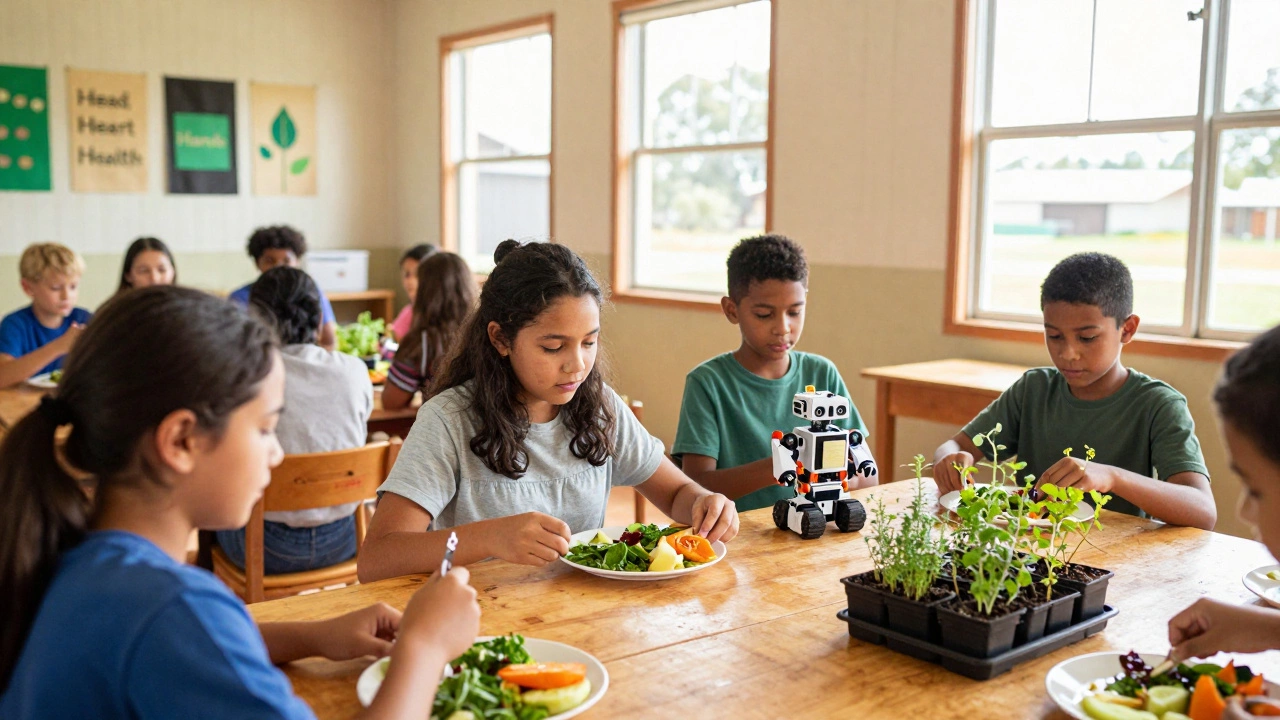
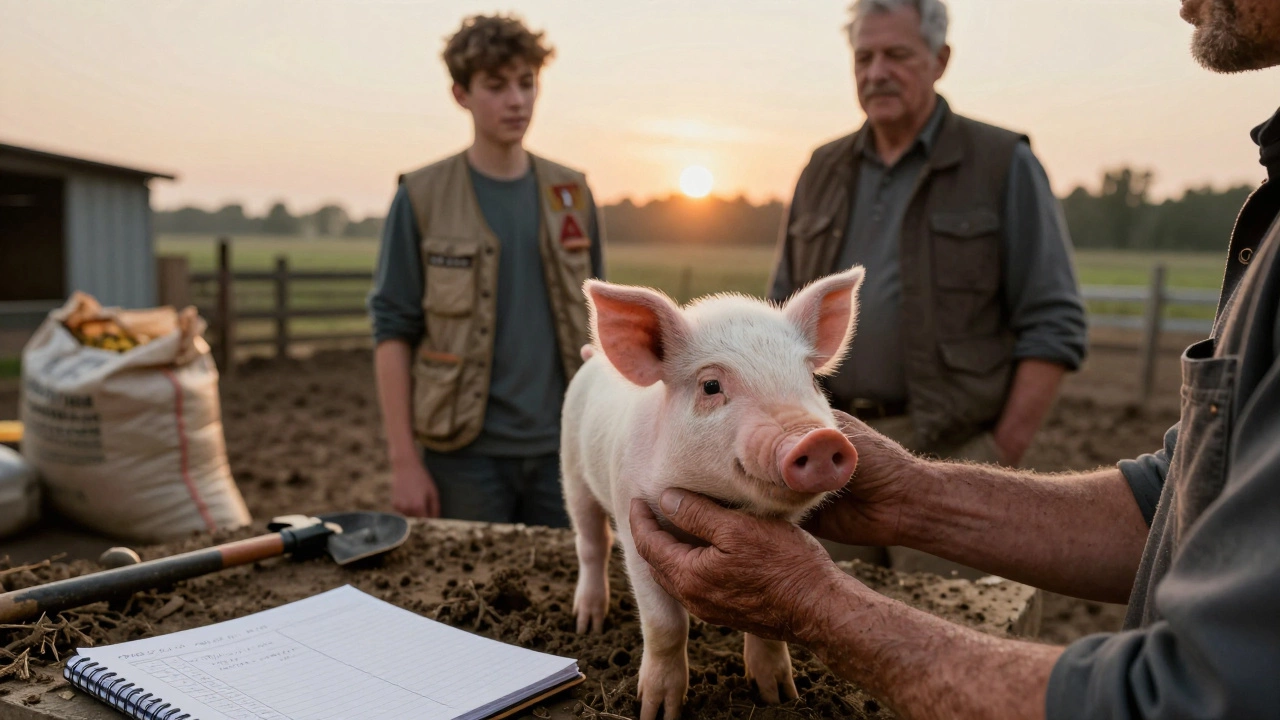
- Hands is where the real work happens. Whether it’s raising a pig, coding a robot, or building a garden, 4 H is hands-on. You don’t just learn about something-you do it.
- Health covers physical, mental, and emotional well-being. From nutrition lessons to managing stress, 4 H teaches kids how to take care of themselves for life.
These aren’t abstract ideas. They’re built into every project, every meeting, every county fair. A kid in Iowa might spend a year raising a steer and learn how to track its weight, feed it properly, and present it to judges. A teen in Oregon might design a mobile app to help seniors find local services. Both are using Head, Heart, Hands, and Health.
Where 4 H Started-and How It Spread
4 H began in the early 1900s in the United States, when rural communities realized kids weren’t learning practical skills in school. Farmers’ sons and daughters needed to know how to grow crops, care for animals, and preserve food. So educators and extension agents started "corn clubs" and "canning clubs"-groups where kids learned by doing.
By 1914, the U.S. government officially backed the program through the Cooperative Extension Service, linking land-grant universities with local clubs. That’s when the four H’s were formalized. The program grew fast. By the 1940s, over a million young people were in 4 H clubs.
Today, 4 H exists in more than 80 countries. In Australia, it’s been active since the 1920s, especially in regional towns where farming and outdoor skills are still part of daily life. Clubs meet after school or on weekends. Some are based at community halls. Others meet on farms. The structure is simple: kids choose a project, find a mentor, and work on it over months or years.
What Do Kids Actually Do in 4 H?
Forget boring classroom lessons. In 4 H, learning is active and personal. Projects are chosen by the kids themselves-and they cover everything.
- Agriculture & Animal Science: Raising chickens, goats, rabbits, or beef cattle. Learning about soil health, crop rotation, and animal nutrition.
- STEM: Building robots, coding apps, testing water quality, or launching model rockets. Many clubs partner with local engineers or scientists.
- Cooking & Nutrition: Planning healthy meals on a budget, learning food safety, or running a community meal program.
- Public Speaking & Leadership: Giving presentations at club meetings, running elections for club officers, or speaking at local council meetings.
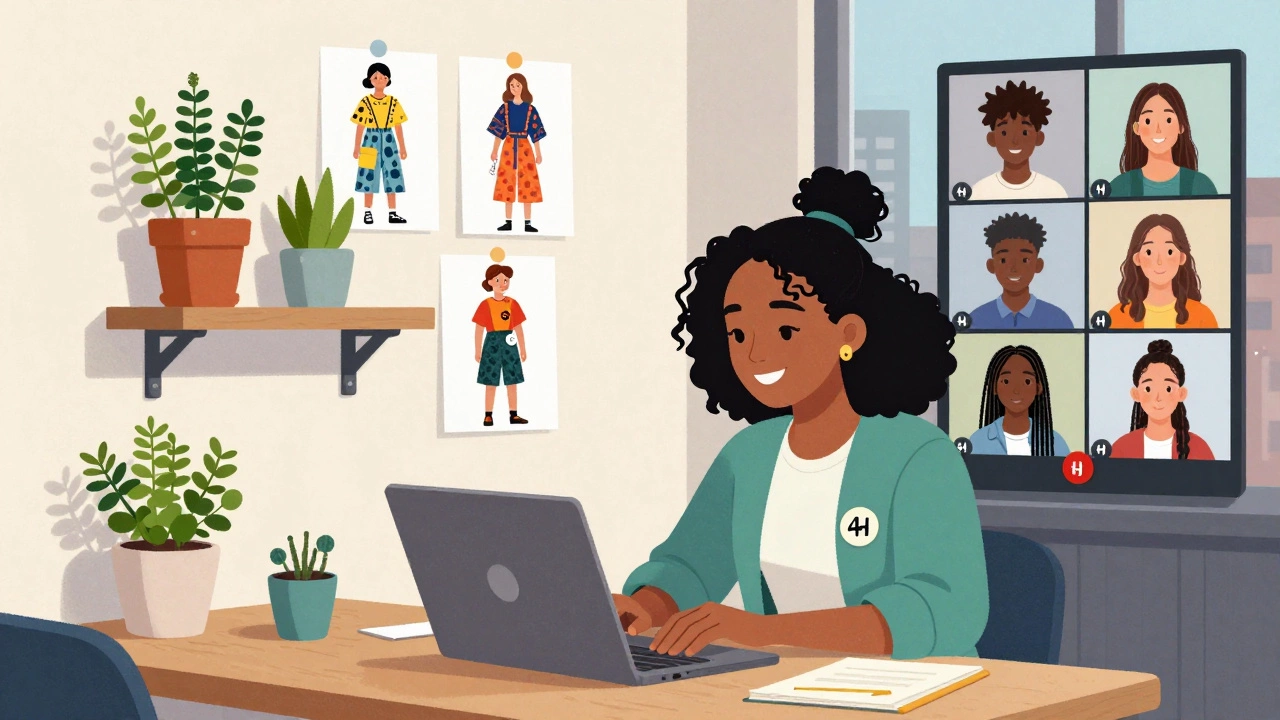
- Crafts & Design: Sewing, woodworking, quilting, or digital design. One 13-year-old in Victoria recently won a national award for a recycled-material fashion line.
At the end of each year, many clubs hold fairs or showcases. Kids present their projects to judges-not to compete for trophies, but to get feedback. The goal isn’t to win. It’s to improve.
Why 4 H Still Matters Today
In a world where screens dominate kids’ time, 4 H offers something rare: real-world responsibility without pressure. There’s no grading. No standardized tests. No college admissions pressure. Just steady guidance from adult mentors who care.
Studies show that 4 H participants are more likely to:
- Graduate high school
- Volunteer regularly
- Report high levels of self-confidence
- Feel connected to their community
A 2023 study by the University of Melbourne tracked 500 former 4 H members. Those who stayed in the program for three or more years were 40% more likely to pursue careers in agriculture, environmental science, or community services than their peers who didn’t join.
It’s not magic. It’s structure. It’s belonging. It’s being trusted to do something hard-and being supported when you mess up.
How to Join 4 H
Joining 4 H is easy. You don’t need to live on a farm. You don’t need special equipment. You just need to be curious.
In Australia, 4 H is run by state-based associations. In Victoria, you can find clubs through 4 H Victoria. In New South Wales, it’s 4 H NSW. Most clubs are open to kids aged 8 to 18.
Here’s how to get started:
- Visit your state’s 4 H website and search for local clubs.
- Attend a meeting as a guest. Most clubs welcome visitors.
- Choose a project that interests you-anything from baking to robotics.
- Sign up with a parent or guardian. Membership fees are usually under $50 a year.
- Start working. Meet with your mentor. Show up. Ask questions.
Some clubs even offer scholarships for equipment or travel to state events. If you’re unsure where to start, ask your school counselor or local library-they often have flyers or contacts.
Common Misconceptions About 4 H
People still think 4 H is just for kids who live on farms. That’s outdated. Today’s clubs include urban kids who grow herbs on balconies, code AI chatbots, or run food drives in apartment complexes.
Another myth: "It’s only for boys." In fact, over half of current 4 H members are girls. The program has been gender-inclusive since the 1950s.
And no, you don’t have to own animals. Many kids do animal projects-but just as many focus on tech, art, or community service. The only requirement? A willingness to learn and show up.
What Happens After 4 H?
Many members stay involved as teen leaders or adult volunteers. Some become teachers, farmers, engineers, or nonprofit founders. Others just carry the values with them.
One former member from Geelong now runs a youth mental health nonprofit. She says: "4 H taught me how to speak up when I was scared. It taught me that helping someone doesn’t mean having all the answers-it means showing up anyway."
That’s the real power of 4 H. It doesn’t promise to make you the best. It promises to make you capable. And that’s something no app or algorithm can teach.
What does 4 H stand for?
4 H stands for Head, Heart, Hands, and Health. These four values guide all activities in the youth organization, focusing on personal development, community service, practical skills, and well-being.
Is 4 H only for kids who live on farms?
No. While 4 H began in rural areas, today’s clubs include urban and suburban youth. Projects range from robotics and coding to cooking, public speaking, and environmental activism. You don’t need land or animals to join.
How old do you have to be to join 4 H?
Most 4 H clubs accept members between ages 8 and 18. Some regions offer younger programs for kids as young as 5 or 6, called "Cloverbuds," which focus on play-based learning.
Is 4 H free to join?
Membership fees are typically low-usually under $50 per year. Many clubs offer financial assistance if needed, and some projects use donated or borrowed equipment. The focus is on access, not cost.
Can girls join 4 H?
Yes. 4 H has been open to all genders since the 1950s. In fact, more than half of current members are girls and young women, especially in STEM and leadership projects.
Next Steps: How to Get Involved
If you’re interested in 4 H, start by checking your state’s official website. Look for upcoming open houses or club meetings. Bring a friend. Try one project. You don’t have to commit right away.
And if you’re a parent or teacher wondering whether this is worth it-ask yourself: Do you want your child to learn how to fix things? To lead? To care for others? To believe they can make a difference? Then 4 H isn’t just an after-school club. It’s a foundation for life.