What Are the Roles in an Outreach Program?
 Feb, 3 2026
When you think of a community outreach program, you might picture volunteers handing out food, knocking on doors, or running workshops. But behind every successful outreach effort is a team with clearly defined roles. Without the right people doing the right things, even the best intentions fall flat. So what actually happens inside a real-world outreach program? Who does what? And why does it matter?
The Outreach Coordinator
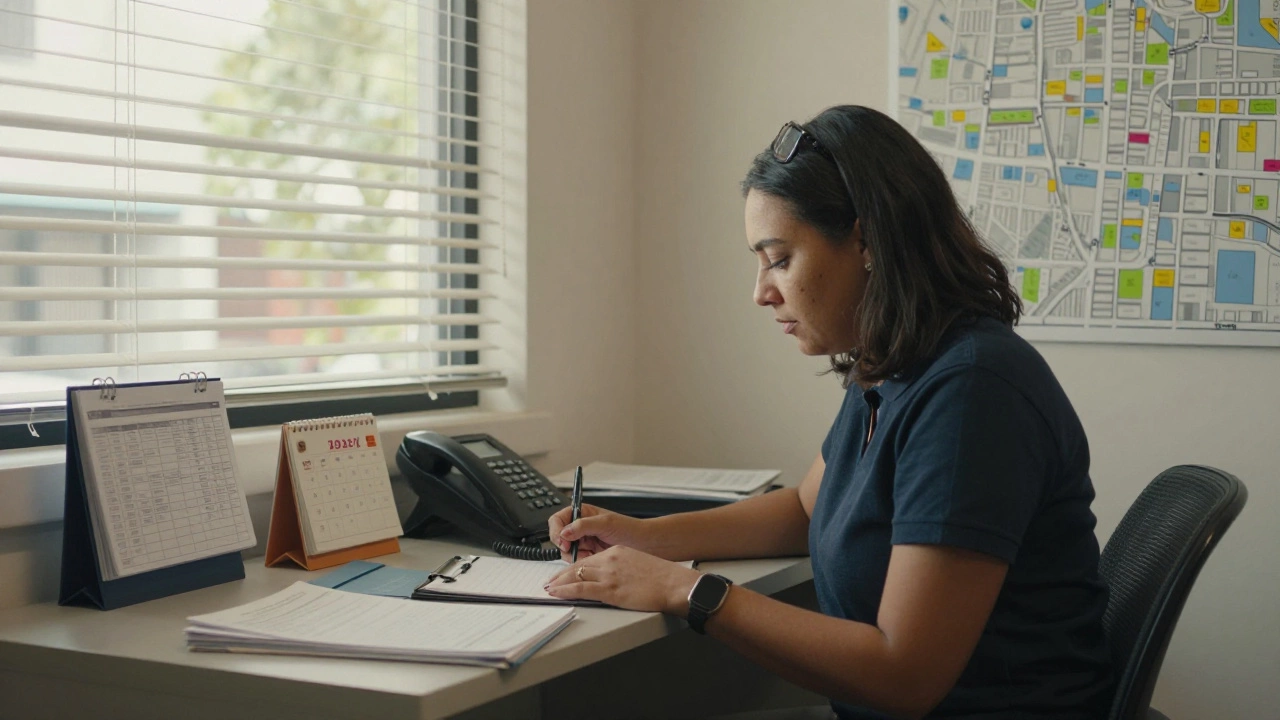
The outreach coordinator is the engine of the program. This person doesn’t just organize events-they build the whole system. They set goals, track progress, manage budgets, and make sure everyone stays on the same page. In Melbourne, one coordinator I spoke with runs a program that connects isolated seniors with local services. She doesn’t just schedule visits; she maps out which neighborhoods have the highest drop-off rates, which phone numbers go unanswered, and which local businesses are willing to donate supplies. She uses simple tools: a spreadsheet, a calendar, and a lot of phone calls. But her job isn’t about tech. It’s about knowing who needs help before they ask for it.
Community Liaisons
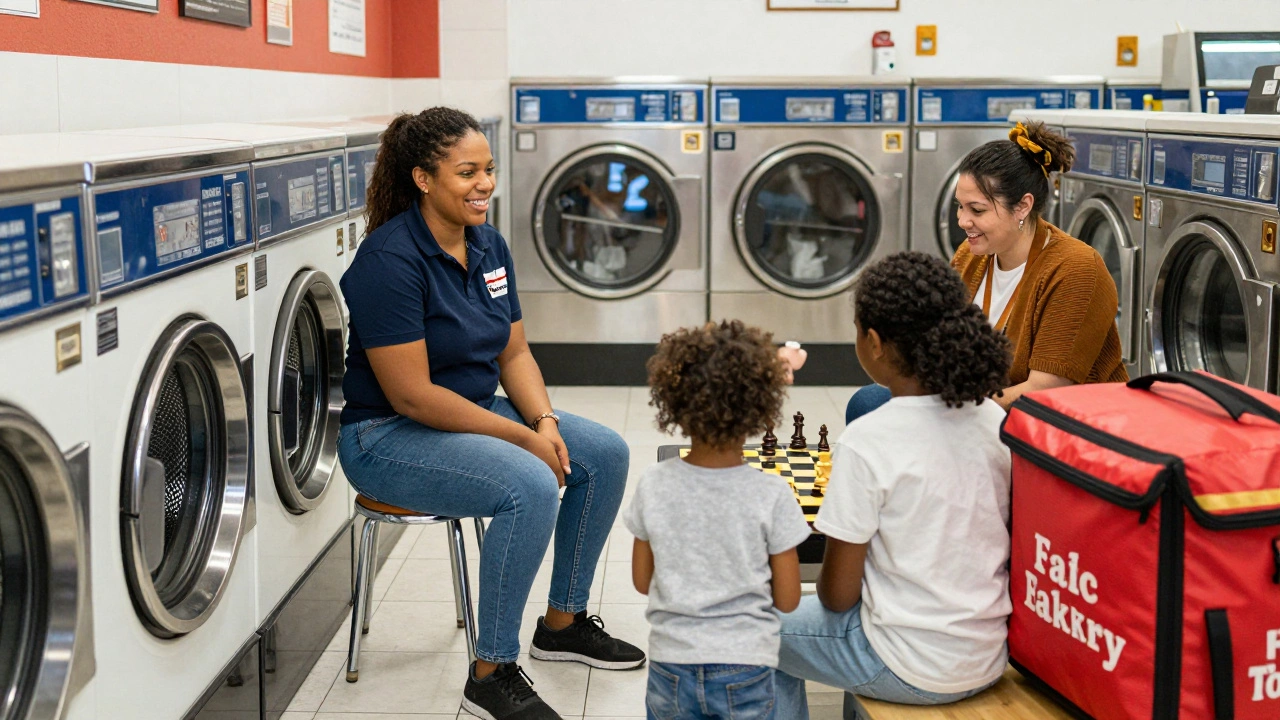
These are the people who live in the neighborhoods you’re trying to reach. They’re not outsiders. They’re neighbors, teachers, local shop owners, or former program participants. Their job? Build trust. A liaison doesn’t hand out flyers-they sit in the corner of the laundromat, chat with parents at the bus stop, or join the weekly chess game at the community center. One liaison in Footscray told me she didn’t start with outreach. She started with listening. She learned that families weren’t skipping meals-they were skipping appointments because they didn’t know how to book them. That insight changed the whole program. Liaisons turn data into human stories.
Volunteer Facilitators
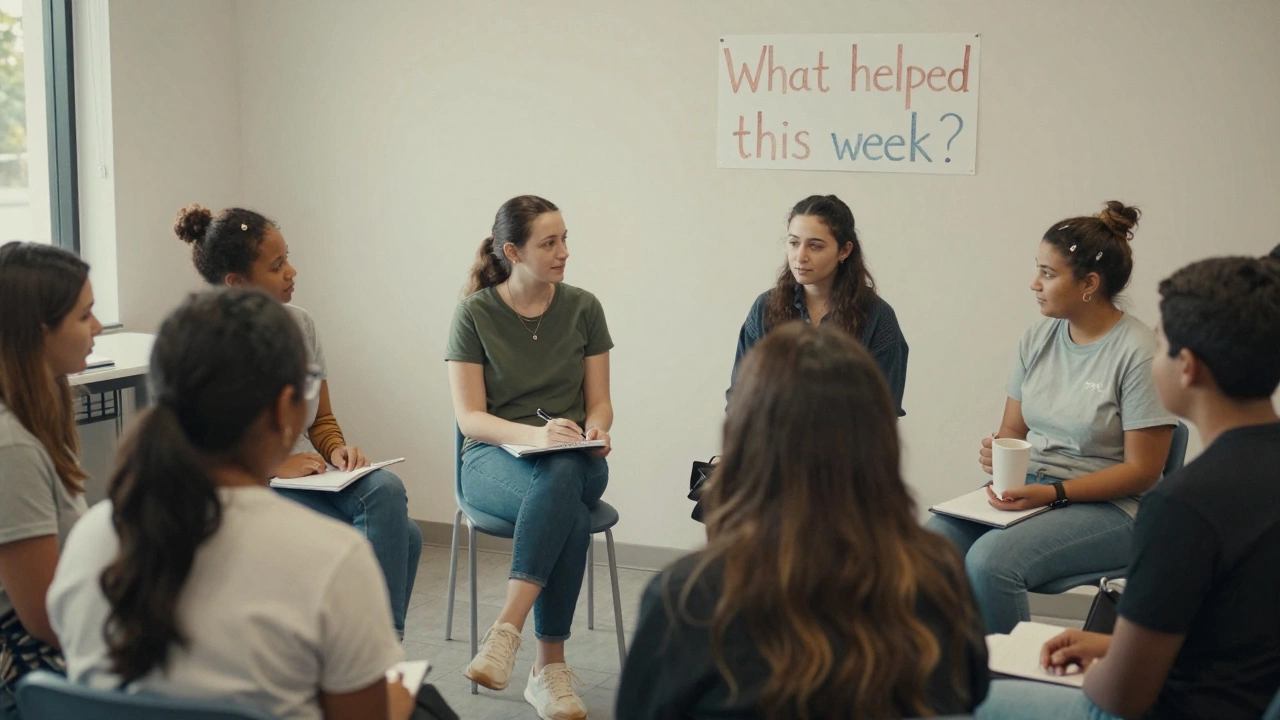
Volunteers are the muscle of outreach. But not all volunteers are created equal. A facilitator doesn’t just show up. They’re trained to lead small groups, manage sensitive conversations, and handle emotional situations. In a youth outreach program in Dandenong, facilitators run weekly drop-in sessions. They don’t give advice. They ask questions. “What’s been hard this week?” “What helped?” They’re not counselors. They’re connectors. And they’re taught to recognize when someone needs more than a snack or a chat-they need a social worker, a legal aid referral, or a ride to a clinic. Training for these roles isn’t optional. It’s built into the program.
Data and Logistics Support
Outreach isn’t just about people. It’s about paper, forms, vans, and schedules. This role often gets overlooked, but it’s the reason things don’t fall apart. Someone has to track which families received meals last week, which volunteers showed up, which locations had power outages. In a food bank outreach team, this person makes sure the van’s GPS is updated, the refrigerated trailer is serviced, and the sign-up sheet doesn’t get lost. They use free tools like Google Forms and simple databases. No fancy software needed. Just consistency. One team in Ringwood cut no-show rates by 60% just by sending automated SMS reminders. It sounds small. But in outreach, small things keep the whole thing running.
Partnership Managers
No outreach program works alone. That’s where partnership managers come in. They’re the ones calling up local councils, pharmacies, libraries, and even cafes. Their job? Find allies. A partnership manager in Preston didn’t just ask for donations. She offered something back: “We’ll bring 30 volunteers to help with your spring clean-up if you let us set up a table at your market.” That’s how a local bakery started donating day-old bread. That’s how a physio clinic started offering free mobility checks. These relationships aren’t transactional. They’re mutual. And they’re built on trust, not contracts.
Advocates and Storytellers
Not every role is on the ground. Some work behind the scenes to change the bigger picture. Advocates collect stories-real ones, not edited ones. They record interviews. They write letters to local politicians. They show up at council meetings. One advocate in Coburg gathered 47 personal accounts from people who struggled to access mental health services. She turned them into a simple booklet. Distributed it at libraries. Sent copies to every local MP. Within six months, funding for mobile mental health units increased by 35%. Storytelling isn’t marketing. It’s pressure. And sometimes, that’s what changes policy.
Why Structure Matters
Outreach isn’t chaos. It’s not just “good people helping out.” It’s a system. When roles are fuzzy, people burn out. Volunteers get confused. Families fall through the cracks. When roles are clear, the program lasts. It grows. It adapts. In 2024, a study of 127 Australian outreach programs found that teams with clearly defined roles were 2.3 times more likely to sustain funding and expand services. That’s not luck. That’s structure.
Starting Small
You don’t need a big team to start. Even a neighborhood group can have these roles. One person handles calls. Another meets people face-to-face. A third keeps track of supplies. You don’t need a title. You need clarity. Ask: Who talks to the community? Who makes sure the van leaves on time? Who remembers the birthdays of the kids we serve? Those are your roles. Start there.
What Doesn’t Work
Don’t assume volunteers can do everything. Don’t expect one person to coordinate, drive, teach, and write reports. Burnout is real. And when someone quits, the whole program can collapse. Also, don’t skip training. A well-meaning volunteer who doesn’t know how to handle trauma or cultural differences can do more harm than good. And don’t ignore data. If you don’t track who you’re helping, you can’t prove you’re helping at all. Funders notice. Communities notice.
Real Talk: It’s Not Perfect
Outreach programs aren’t glamorous. They’re messy. Someone forgets the snacks. A van breaks down. A family moves and you lose contact. But the people who stick with it? They’re not heroes. They’re just consistent. They show up. They adjust. They keep asking: Who’s still missing? And then they go find them.
Do I need formal training to join an outreach program?
Not always, but training is almost always offered. Most reputable programs provide basic training on communication, cultural sensitivity, and safety. Even if you’re just handing out meals, you’ll learn how to respond if someone is in crisis. You don’t need a degree. You need willingness to learn.
Can one person fill multiple roles in a small outreach team?
Yes, especially in small or startup programs. But it’s risky. One person juggling coordination, logistics, and direct service will likely burn out within months. The key is to rotate responsibilities or bring in help as soon as possible. Even one extra person can make the difference between sustainability and collapse.
How do I find outreach programs to join?
Start local. Check your council’s community services page, visit your nearest library, or ask at a local church, mosque, or community center. Many programs don’t have websites-they post flyers or have word-of-mouth sign-ups. Don’t wait for a perfect opportunity. Show up, ask what’s needed, and be willing to start small.
What’s the biggest mistake outreach programs make?
Assuming they know what the community needs without asking. Too many programs design services based on assumptions, not conversations. The best programs start by listening-not telling. Ask: What’s missing? What’s worked before? Who else is helping? The answers are already out there.
Are paid staff necessary for outreach to work?
Not always, but having even one paid coordinator makes a huge difference. Volunteers come and go. A paid person ensures continuity. They’re the glue that holds the program together through funding changes, staff turnover, and emergencies. Many successful programs start with volunteers, then hire one part-time coordinator once they prove their impact.