The 3 Main Categories of Environmental Groups Explained
 Sep, 15 2026
Environmental Group Matchmaker
Not all environmental groups work the same way. This quick quiz helps you identify whether you are better suited to support Land & Wildlife Conservationists, Advocacy & Policy Watchdogs, or Community Action Networks. Answer honestly to find your match.
You walk into a meeting or scroll through social media and see dozens of names: The Wilderness Society, Greenpeace, local river clean-up crews. They all claim to save the planet, but they operate very differently. If you are trying to decide where to donate your money or volunteer your Saturday morning, understanding how environmental groups are categorized is the first step. It’s not just about picking a cool logo; it’s about matching your values with their methods.
Most experts group these organizations into three distinct buckets based on their primary mission and operational style. Knowing which bucket an organization falls into helps you predict what they will actually do with your support. Are they buying land? Are they suing polluters? Or are they lobbying politicians in Canberra? Let’s break down these three main categories so you can find the right fit for your environmental activism.
The Land and Wildlife Conservationists
This is probably the most traditional category. These groups focus on protecting specific ecosystems, habitats, and species from physical destruction. Think of them as the guardians of the physical world. Their work often involves purchasing land to prevent development, managing national parks, or rehabilitating injured wildlife.
In Australia, this looks like organizations working to protect the Great Barrier Reef or saving the koala populations in Victoria. These groups rely heavily on scientific data. They employ ecologists and biologists who track animal migrations and monitor water quality. When you donate here, your money often goes directly to tangible assets-like fencing off a creek to stop cattle from eroding the banks or planting thousands of native trees.
| Feature | Description |
|---|---|
| Primary Goal | Preserve biodiversity and natural landscapes. |
| Key Activities | Land acquisition, habitat restoration, species recovery programs. |
| Timeframe | Long-term (decades to centuries). |
| Typical Donor Impact | Directly funds equipment, labor, and land purchases. |
If you prefer seeing immediate, visible results, this is your lane. You can stand on a piece of land that was saved because of donations. However, keep in mind that conservation is slow work. Restoring a wetland doesn’t happen overnight. It requires patience and consistent funding over many years.
The Advocacy and Policy Watchdogs
Not every environmental problem can be solved by planting a tree. Sometimes, the issue is a law, a regulation, or a corporate loophole. This brings us to the second major category: advocacy groups. These organizations spend their energy influencing government policy and holding corporations accountable. They are the lawyers and lobbyists of the environmental movement.
Groups like the Australian Conservation Foundation (ACF) fall into this camp. They don’t usually buy land. Instead, they publish reports exposing pollution violations, run campaigns to ban single-use plastics, or lobby for stricter emissions targets. Their weapon is information and public pressure. If you care about systemic change rather than individual projects, this category aligns with your interests.
Advocacy groups thrive on visibility. They need you to sign petitions, share posts, and call your local MP. Their success metrics are harder to measure than acres of land saved. Did the law pass? Did the company change its supply chain? Often, their wins are legislative victories that affect millions of people indirectly. If you enjoy debate, research, and political engagement, you’ll feel at home here. But be prepared for frustration; politics moves slowly, and big changes often face significant pushback from industry groups.

The Community Action and Education Networks
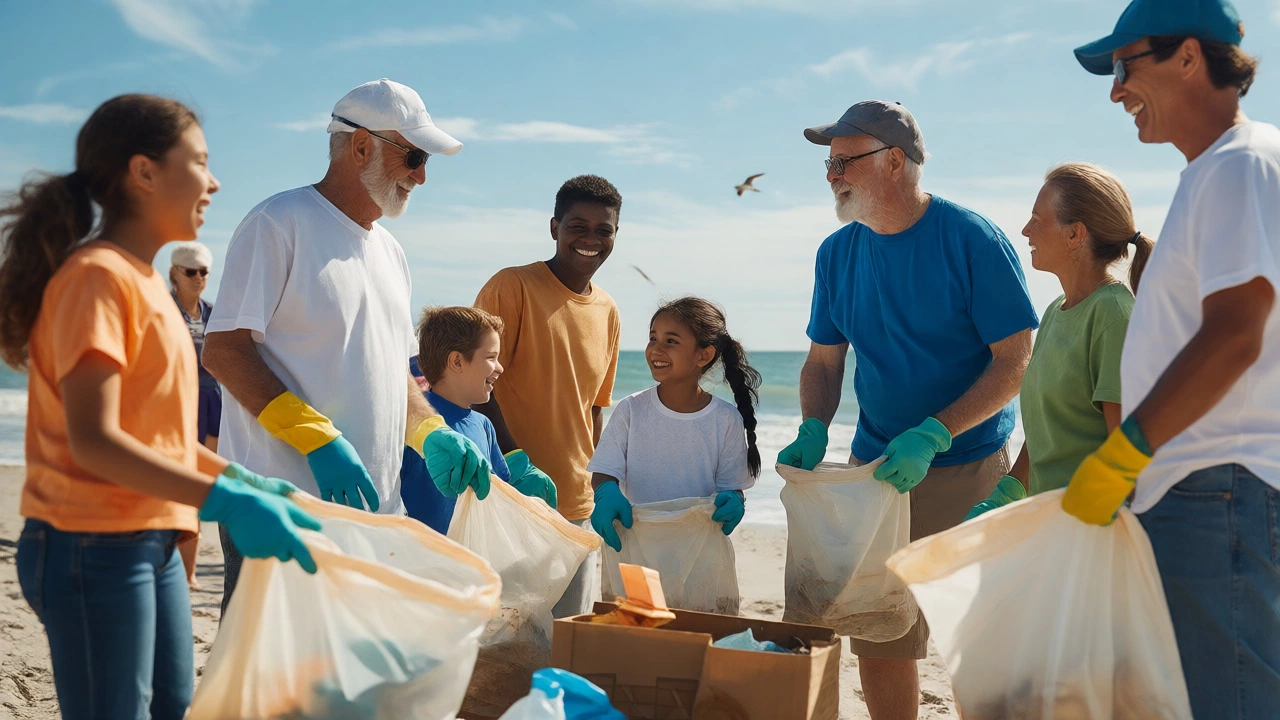
The third category is perhaps the most grassroots. These groups focus on changing human behavior and empowering local communities. They believe that if people understand their impact, they will act differently. This includes everything from local beach clean-up crews to urban gardening collectives and school education programs.
In Melbourne, you might see this in action through community gardens in Brunswick or recycling workshops in the inner-city councils. These groups rarely have huge budgets. They rely on volunteers and small grants. Their goal isn’t necessarily to change federal law or buy a forest, but to shift culture. They teach people how to compost, how to reduce waste, and how to connect with nature in their own backyard.
This category is highly accessible. You don’t need a degree in marine biology to join a beach clean-up. You just need a pair of gloves and a willingness to pick up trash. For many people, this is the entry point into environmentalism. It builds a sense of community and shared responsibility. While critics sometimes argue that individual actions are too small to solve climate change, these groups provide the essential social fabric that supports broader movements. Without educated and engaged citizens, the advocacy groups would have no base to mobilize.
How to Choose Which Category Fits You
So, which one should you support? There is no wrong answer, but there is a right answer for *you*. Ask yourself these questions:
- Do I want to see physical proof? If yes, look at conservation groups. Check their annual reports for maps of protected areas.
- Am I passionate about justice and fairness? If yes, advocacy groups tackle the root causes of pollution and inequality.
- Do I want to meet neighbors and get my hands dirty? If yes, community action networks offer high social reward and low barrier to entry.
It’s also worth noting that many large organizations blend these categories. A national body might have a wing dedicated to legal challenges (advocacy) and another wing dedicated to fieldwork (conservation). Always check the specific project you are donating to, not just the brand name.
Pitfalls to Avoid When Supporting Environmental Groups
Not all groups labeled "green" are created equal. Here are a few things to watch out for:
- Greenwashing: Some corporations set up fake non-profits to improve their image without making real changes. Look for transparency in financial reporting.
- High Overhead Costs: Check what percentage of donations goes to actual programs versus administration. Charity Navigator or similar local equivalents can help.
- Vague Mission Statements: If a group says they "love the earth," ask specifically what they do. Do they plant trees? Sue companies? Educate kids? Specificity equals accountability.
Understanding the three categories of environmental groups empowers you to make smarter choices. Whether you choose to protect land, fight for laws, or educate your neighbors, your contribution matters. The key is alignment between your personal strengths and the group’s operational model.
What is the difference between conservation and preservation?
Conservation focuses on the sustainable use and management of natural resources, allowing humans to utilize nature responsibly. Preservation, often associated with early environmentalists like John Muir, advocates for protecting nature from any human interference, keeping wild places untouched. Most modern groups lean towards conservation, balancing human needs with ecological health.
Are environmental groups only focused on animals?
No. While wildlife protection is a major component, environmental groups also address air and water quality, climate change, renewable energy transition, waste management, and environmental justice issues affecting human communities. The scope is broad and interconnected.
How can I verify if an environmental group is legitimate?
Check for registration with government charity bodies (such as the ACNC in Australia). Review their annual reports for financial transparency and program outcomes. Legitimate groups clearly state their mission, leadership, and how donations are utilized. Be wary of groups that refuse to share basic contact information or financial details.
Can I volunteer for advocacy groups if I don't have legal experience?
Absolutely. Advocacy groups need help with letter-writing campaigns, social media management, event coordination, and data entry. Many also host training sessions for new volunteers on how to effectively communicate with policymakers. Your time and enthusiasm are valuable regardless of professional background.
Which category has the biggest impact on climate change?
Advocacy groups generally drive the largest systemic changes regarding climate policy, such as carbon pricing or renewable energy mandates. However, conservation groups play a crucial role in carbon sequestration through reforestation and wetland protection. Both are essential; policy sets the rules, while conservation implements the ecological solutions.