Texas Hardship Assistance: A Guide to Emergency Aid and Housing Support
 Apr, 17 2026
Texas Hardship Assistance Navigator
Select the crisis you are currently facing to see recommended programs.
Check off the documents you have ready to speed up your application.
- Immediate Relief: Get access to emergency shelter and food.
- Financial Bridges: Find grants for rent and utilities.
- Long-term Stability: Move from temporary housing to a permanent home.
- Legal Help: Avoid illegal evictions with pro bono legal aid.
What exactly is Texas hardship assistance?
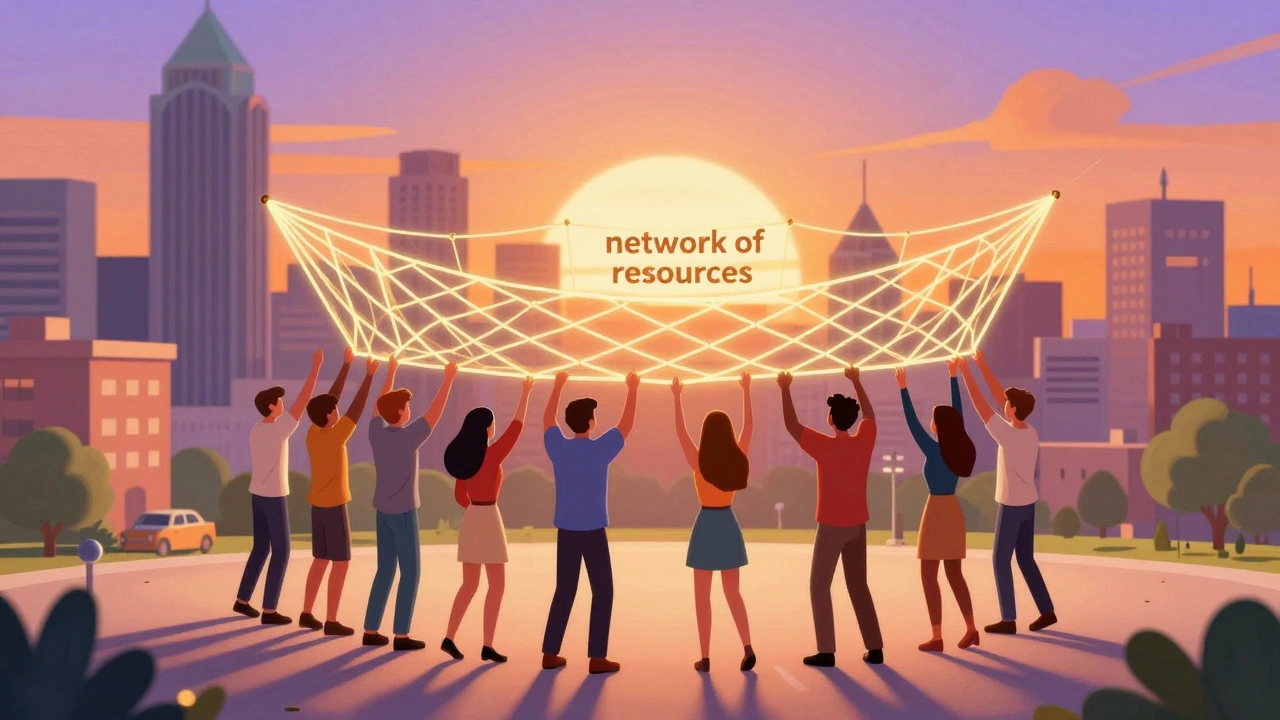
When people talk about Texas hardship assistance is a broad umbrella of state-funded and privately managed support programs designed to provide emergency financial and material aid to low-income residents facing sudden crises. It isn't one single check from the government; rather, it's a network of resources. If you've lost your job or had a health emergency, these programs step in to prevent you from becoming homeless or to help you get back on your feet if you already are.
Most of this help falls into two buckets: government-led initiatives and non-profit services. For example, the Texas Health and Human Services Commission (HHS) manages a huge chunk of the state's welfare infrastructure, while local Homeless Shelters provide the physical space and immediate care needed during a crisis.
Finding a place to stay: The role of shelters
If you're currently without a roof, a shelter is your first port of call. But not all shelters are the same. Some are "emergency shelters" meant for a few nights, while others are "transitional housing" that helps you save money and find a job over several months.
In cities like Houston or Dallas, the shelter system often acts as a triage center. You'll find that many of these facilities are tied into the Coordinated Entry System, which is a fancy way of saying they use a standardized list to prioritize who gets a bed based on urgency. For instance, a family with small children or a veteran usually gets priority placement over a single healthy adult. If you're searching for a bed, start by calling 2-1-1; it's the universal number in Texas for essential community services.
Emergency money for rent and utilities
Preventing homelessness is always cheaper and more effective than fixing it after it happens. This is where rental assistance comes in. Many Texans rely on the Community Services Block Grant (CSBG) programs. These are federal funds distributed to local agencies to help with "crisis intervention."
If you're staring at a utility shut-off notice, you should look into the Comprehensive Energy Assistance Program (CEAP). This program helps low-income households pay their electric and gas bills. It's not a permanent subsidy, but a one-time or short-term boost to keep your lights on during a Texas summer heatwave or winter freeze. To qualify, you generally need to prove your income is below a certain percentage of the federal poverty level.
| Program Type | Primary Goal | Typical Eligibility | Key Provider | |
|---|---|---|---|---|
| Rental Assistance | Prevent Eviction | Low income / sudden job loss | Local Non-profits / HHS | Community Action Agencies |
| CEAP | Utility Payment | Low income / energy burdened | State government | Local Utility Boards |
| SNAP | Food Security | Income-based | Federal/State | Texas HHS |
| Emergency Shelter | Immediate Housing | Literal homelessness | Charities / City funds | Local Shelter Networks |
Navigating the application maze
The hardest part about getting help isn't usually the eligibility-it's the paperwork. To get Texas hardship assistance, you'll need a "document packet" ready. If you're scrambling to find a shelter or apply for a grant, having these in a folder (or a digital cloud drive) will speed everything up.
- Proof of Identity: A state ID, driver's license, or passport.
- Income Verification: Recent pay stubs, a termination letter from your employer, or a Social Security benefit statement.
- The "Ask": An eviction notice, a utility shut-off warning, or a lease agreement showing exactly how much you owe.
- Household Info: Social Security numbers for everyone living in the home.
Pro tip: If you've lost your documents in a move or a crisis, don't panic. Most shelters have "case managers" who specialize in helping people recover their IDs and birth certificates so they can qualify for state benefits.
Moving from a shelter to a permanent home
Getting a bed for the night is great, but the real goal is "permanent supportive housing." This is a model where the government or a non-profit provides a place to live and pairs it with social services like mental health counseling or job training.
Many Texas cities use the "Housing First" approach. This means they get you into a stable home first, without requiring you to be "sober" or "employed" first. The logic is simple: it's nearly impossible to fix your life or find a job when you're sleeping in a car. Once you have a door that locks and a shower, the other pieces of the puzzle-like finding a job through Workforce Solutions-become much easier to manage.

Common pitfalls to avoid
One mistake many people make is waiting until the day of eviction to ask for help. Once the sheriff arrives to remove you, the options shrink. The best time to apply for hardship assistance is the moment you realize you can't make the next payment.
Another trap is relying solely on one organization. A local church might give you $100, but a state program might give you $1,000. Diversify your search. Call 2-1-1, visit your local community center, and check with the United Way. Combining small amounts of help from different sources is often the only way to cover a large debt.
Legal rights and eviction protection
You should know that in Texas, a landlord cannot just throw your stuff on the sidewalk because you're late on rent. There is a legal process. If you're facing eviction, look for Texas RioGrande Legal Aid or similar legal aid organizations. They provide free legal representation to low-income tenants. Sometimes, a lawyer can negotiate a "payment plan" with a landlord, which is often more attractive to the owner than the cost of a full eviction lawsuit.
What is the fastest way to find a homeless shelter in Texas?
The fastest way is to dial 2-1-1 from any phone. This is the Texas statewide referral service that connects people with local shelters, food banks, and emergency financial aid in real-time.
Do I need to be a US citizen to get hardship assistance?
It depends on the program. Federal programs like SNAP or certain housing vouchers may have citizenship or residency requirements. However, many local non-profits and faith-based shelters provide food and beds to anyone in need, regardless of their legal status.
Can I get help with my water bill through hardship programs?
Yes. While CEAP focuses on electricity and gas, many Community Action Agencies provide "Emergency Financial Assistance" that can be used for water and sewage bills to prevent a total home shutdown.
How long does it take to get rental assistance?
Timeline varies wildly. Some local charities can cut a check in a few days, while government grants can take several weeks. It is critical to apply as soon as you receive an eviction notice rather than waiting for the court date.
Where can I find job training if I'm in a shelter?
Most transitional shelters partner with Workforce Solutions. These centers provide free resume building, certification courses, and job placement services specifically for those transitioning out of homelessness.