Volunteer Demographics: Who Is Volunteering and Why It Matters
When we talk about volunteer demographics, the measurable characteristics of people who give their time to community causes. Also known as volunteer profiles, it includes age, location, income, education, and motivation—not just numbers, but real people showing up for others. In Odisha, these profiles are changing. Young students are swapping screen time for local cleanups. Retirees are mentoring kids after lunch. Office workers are tutoring on weekends. This isn’t random—it’s a pattern shaped by access, trust, and how organizations treat their volunteers.
Volunteer retention, how long people stay engaged in community work depends heavily on whether they feel seen. A 22-year-old college student won’t stick around if they’re stuck stuffing envelopes while the team ignores their ideas. A 60-year-old grandmother won’t keep coming if she’s never thanked or given a real role. The biggest reason volunteers quit? Feeling used, not valued. That’s why volunteer burnout, the exhaustion from overwork, lack of support, or unclear expectations shows up most where leaders treat volunteering as free labor instead of a partnership.
Here’s what you’ll find in the posts below: real stories from people who volunteered from home, how some turned volunteering into a job, why young people walk away from school clubs, and what charities get right—or wrong—when they ask for help. You’ll see data from Australian shelters on who shows up, why socks are the most requested item, and how a trust fund can’t pay your rent but can change a life. You’ll learn what’s missing from most volunteer programs: flexibility, respect, and simple recognition. These aren’t theory pieces. They’re tools. If you’re running a local initiative, leading a school group, or just trying to help without burning out, this collection shows you what actually works—and what doesn’t.
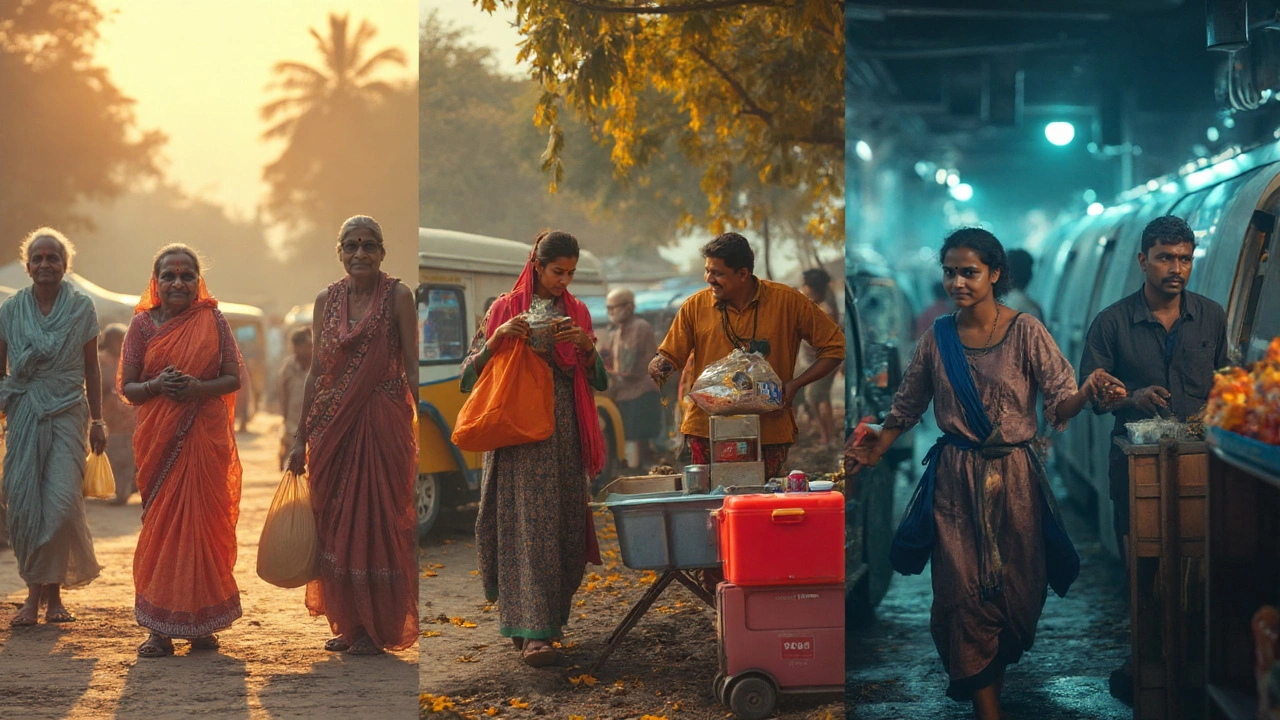
What Age Volunteers the Most? 2025 Data by Country and How to Recruit Them
Who volunteers the most in 2025? Clear answer, country differences, and a practical playbook to recruit each age group, with fresh stats and simple tactics.
Read More