Talent in Community Work: How Skills Drive Real Change in Odisha
When we talk about talent, the natural ability or skill someone has to do something well. Also known as ability, it's not just about being good at something—it's about using that skill to help others. In Odisha’s community spaces, talent isn’t reserved for stage performers or elite athletes. It’s the high school student who organizes clean-up drives, the retired teacher who tutors kids after school, the graphic designer who creates posters for local NGOs—all turning quiet skills into visible impact.
Talent connects directly to community engagement, the process of working with people to solve shared problems. Without talent, even the best intentions fall flat. You can have a hundred volunteers, but if no one knows how to manage budgets, write grants, or talk to locals in a way that builds trust, the project stalls. That’s why the most successful groups don’t just recruit bodies—they recruit capabilities. Whether it’s storytelling to raise awareness, data tracking to show results, or simply showing up every week without being asked—those are the talents that stick.
And talent doesn’t need a title. Many people think you need to be a nonprofit director or a certified social worker to make a difference. But the truth? The biggest shifts happen because someone with no formal training stepped up. Maybe they knew how to use WhatsApp to spread the word. Or they could fix a projector so a village meeting could happen. Or they remembered everyone’s name and made newcomers feel welcome. These aren’t grand gestures. They’re quiet, consistent acts of talent—and they’re the backbone of every real community project.
What you bring matters more than what you’ve been trained for. A person who’s good at listening can help a charity understand what people really need. Someone who’s organized can turn a messy donation pile into a system that works. Even someone who’s great at cooking can turn a food drive into a community meal that builds bonds. Talent is the bridge between good ideas and real outcomes.
Here’s what you’ll find in this collection: real stories about how people turned their skills into lasting change. You’ll learn why volunteering doesn’t always feel rewarding—and how to avoid burnout. You’ll see how charities find and keep the right people. You’ll understand why Harvard cares about the depth of your extracurriculars, not just the list. And you’ll discover how to spot organizations that actually use your time and money well. This isn’t about finding the perfect role. It’s about recognizing the role your talent already plays—and how to make it count.
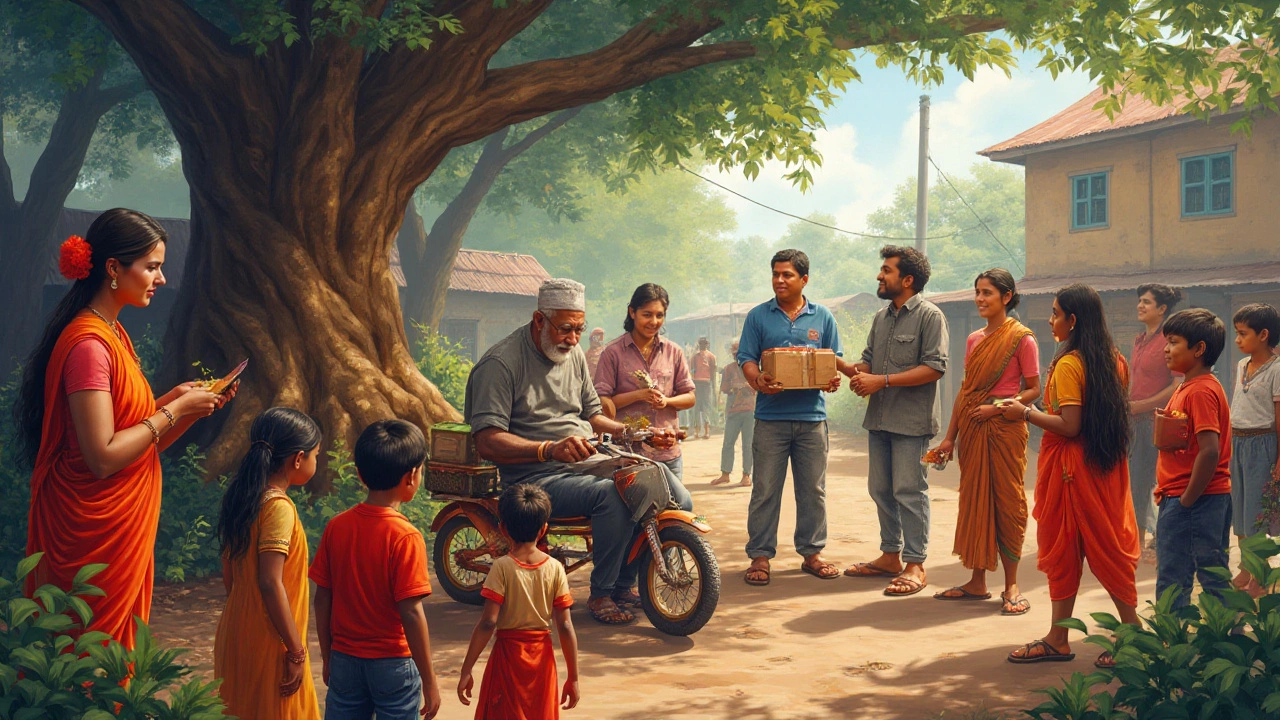
The Essential 3 Ts of Volunteering for a Rewarding Experience
Volunteering is a fulfilling endeavor that can greatly benefit both individuals and communities. Understanding the 3 Ts—Time, Talent, and Treasure—can enhance the effectiveness of volunteer efforts. This framework helps volunteers align their resources with community needs. Effective volunteering not only amplifies social impact but also enriches personal growth. It's about leveraging one's unique abilities and resources to make a difference.
Read More