Socks Donation: What You Need to Know Before Giving
When you think of donating to those in need, you might picture food, clothes, or money—but socks donation, a simple, practical act of giving clean, wearable socks to people without shelter or stable housing. Also known as footwear aid, it’s one of the most requested yet underfunded needs in homeless and refugee support systems. Think about it: how often do you stop to consider that someone might be walking miles every day in worn-out, dirty socks? For people living on the streets, in shelters, or displaced by crisis, clean socks aren’t a luxury—they’re a health necessity. Fungal infections, blisters, and frostbite are real risks when you don’t have access to fresh footwear. And yet, most donation drives focus on coats and blankets, leaving socks behind.
Charity donations, the act of giving goods or money to organizations helping vulnerable groups, often miss this basic need. But nonprofits working with homeless populations consistently rank socks as one of their top three most needed items. Why? Because socks get dirty fast, wear out quickly, and aren’t typically replaced by government aid. A single pair can mean the difference between walking to a job interview or staying home with an infected foot. Even more, homeless assistance, programs designed to provide immediate relief and long-term support to people without stable housing relies on items like socks to build trust. Offering clean socks is often the first step in connecting someone with deeper services—medical care, counseling, or housing support.
It’s not just about giving any socks. Effective clothing drive, organized efforts to collect and distribute used or new apparel to those in need programs know the details matter. New, unopened socks in men’s, women’s, and children’s sizes are preferred. Wool or synthetic blends work best for warmth and moisture control. No cotton socks—they hold moisture and cause blisters. No holes, no mismatched pairs. People need dignity, not hand-me-downs that fall apart. And while some think donating used socks is better than nothing, most shelters refuse them due to hygiene risks. The best donations are new, packaged, and labeled.
There’s a quiet power in socks. They don’t make headlines, but they change lives every day. Someone might get a job because they could walk in clean socks. A child might stop missing school because their feet stopped hurting. A veteran might feel seen for the first time in years because someone remembered socks matter. The organizations you’ll find in the posts below have seen this firsthand—they’ve run drives, tracked impact, and learned what actually works. You’ll read about real stories from people who’ve given socks, what they learned, and how to avoid common mistakes. Whether you’re thinking of starting a drive, donating through a local group, or just wondering how to help, the answers are here—no fluff, no guilt, just clear, practical truth.
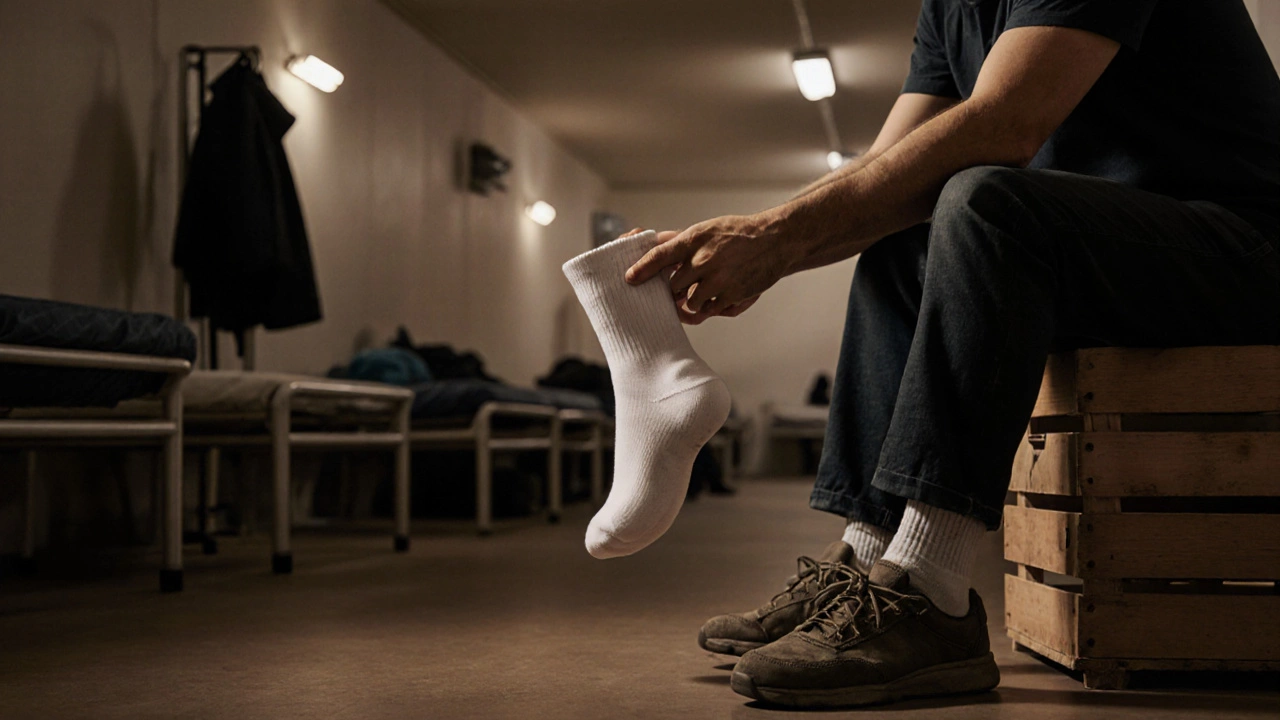
Most Requested Item by Homeless People - What They Need Most
Discover why socks are the most requested item by homeless people, see data from Australian shelters, and learn how to donate the right kind effectively.
Read More