Senior Living: What It Really Means and How Communities Support It
When we talk about senior living, the way older adults live with support, independence, and community connection. Also known as aging in place, it means more than just moving into a facility—it’s about staying connected to your neighborhood, your routines, and your purpose. Many people assume senior living is only for those who need medical care, but that’s not true. Most older adults want to stay in their own homes as long as possible, with help that fits their life—not the other way around.
Real senior living happens when your community steps in. It’s the neighbor who checks in weekly. It’s the local NGO that delivers groceries to someone who can’t walk far. It’s the volunteer group that runs free health check-ups at the village hall. These aren’t fancy programs—they’re simple, consistent acts of care that make a difference. In Odisha, many villages and towns are building networks where elders aren’t isolated but included. They’re part of community meetings, cultural events, and even local decision-making. This kind of support doesn’t need big budgets. It needs people who show up.
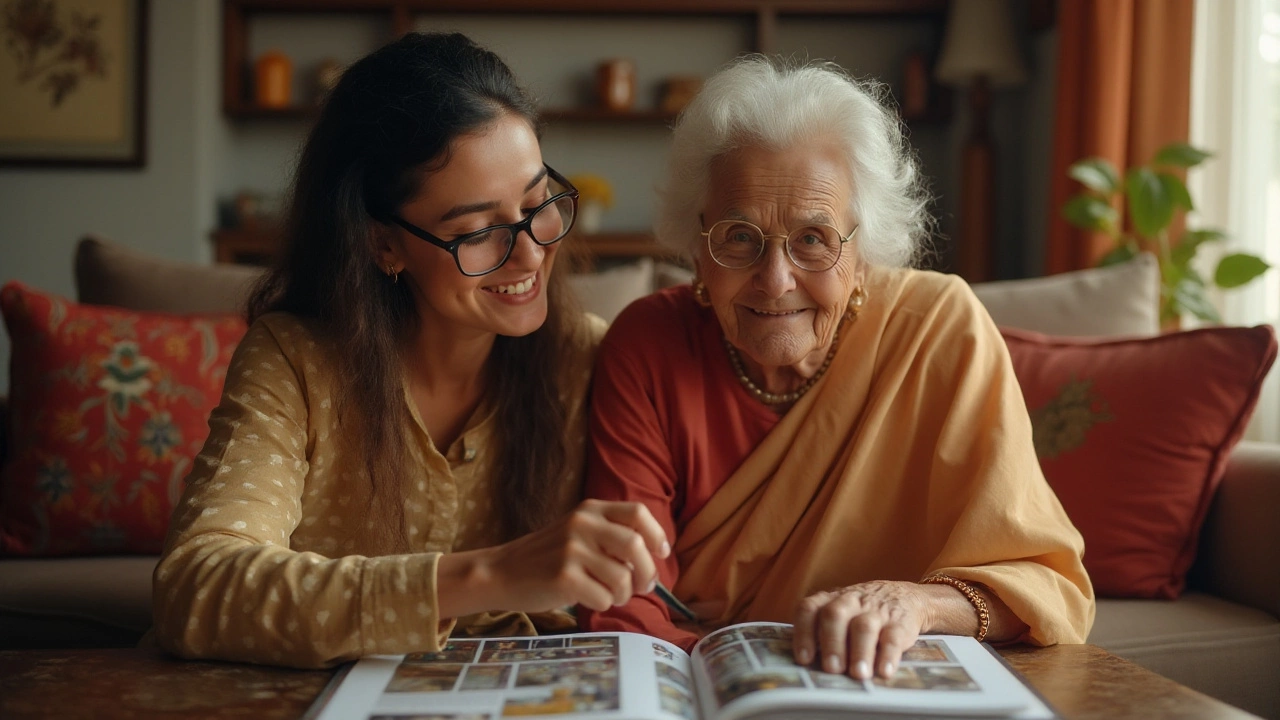
And it’s not just about physical help. Mental health matters too. Loneliness is one of the biggest risks for older adults, and it’s not solved by pills or pills. It’s solved by conversation, by being seen, by having a reason to get up in the morning. That’s why programs that connect seniors with younger volunteers—whether through storytelling, gardening, or teaching craft skills—are so powerful. These relationships go both ways. The elder gains purpose. The young person gains wisdom. And the whole community gets stronger.
There’s no single model for senior living. Some families care for elders at home. Others rely on local cooperatives. Some use digital tools to stay in touch with distant relatives. What works depends on the person, the place, and the support around them. The key is flexibility. No one-size-fits-all solution works when you’re talking about people who’ve lived through decades of change.
Below, you’ll find real stories and practical guides about how communities in Odisha are making senior living better—not through expensive institutions, but through quiet, consistent care. You’ll learn what actually helps elders stay healthy, what kind of support volunteers can offer, and how to spot when someone needs help before it becomes a crisis. These aren’t theoretical ideas. They’re actions people are taking right now, in towns and villages across the state. And they’re changing lives, one small act at a time.
Essential Steps for When Seniors Can No Longer Live Independently
Caring for elderly loved ones who can no longer live alone can be challenging yet rewarding. This article explores practical solutions and resources for ensuring their safety and well-being. It discusses the signs that indicate it's time for additional help and offers insights into choosing suitable care options. Readers will find valuable tips on balancing emotional and practical needs, making informed decisions easier.
Read More