Safe Shelters: What They Are, Who Needs Them, and How They Work
When we talk about safe shelters, temporary housing designed to protect people without stable homes from danger, exposure, and violence. Also known as emergency housing, they are often the first step out of crisis for someone sleeping on the street, in a car, or in an unsafe building. These aren’t just buildings with beds—they’re lifelines. In places like Odisha, where seasonal floods, economic hardship, and lack of affordable housing push people into instability, safe shelters become the difference between survival and despair.
What makes a shelter truly safe? It’s not just locked doors or a roof. It’s clean water, gender-separated spaces, access to basic healthcare, and staff trained to treat people with dignity. Many shelters also connect residents to job training, legal aid, or mental health services. The best ones don’t just house people—they help them rebuild. And they’re not just run by governments. Local NGOs, religious groups, and community volunteers often run the most effective ones, especially in rural areas where public services are thin.
Safe shelters rely on more than funding—they need trust. People who’ve been hurt by systems before won’t walk in unless they feel respected. That’s why some shelters in Odisha let people bring their pets, allow flexible hours, or offer storage for belongings. These small choices make a huge difference. And while the most visible need is for beds, the most overlooked need is consistency. One-night stays don’t fix homelessness. Lasting change needs long-term housing plans, which is why many shelters now partner with housing nonprofits and social workers to move people into permanent homes.
It’s easy to think safe shelters are only for the homeless. But they also serve survivors of domestic violence, runaway teens, people displaced by natural disasters, and even families fleeing abusive situations. In fact, a study from Australian shelters found that over 40% of people using emergency housing weren’t homeless by choice—they were escaping danger. That’s why the most effective shelters don’t ask questions—they offer help.
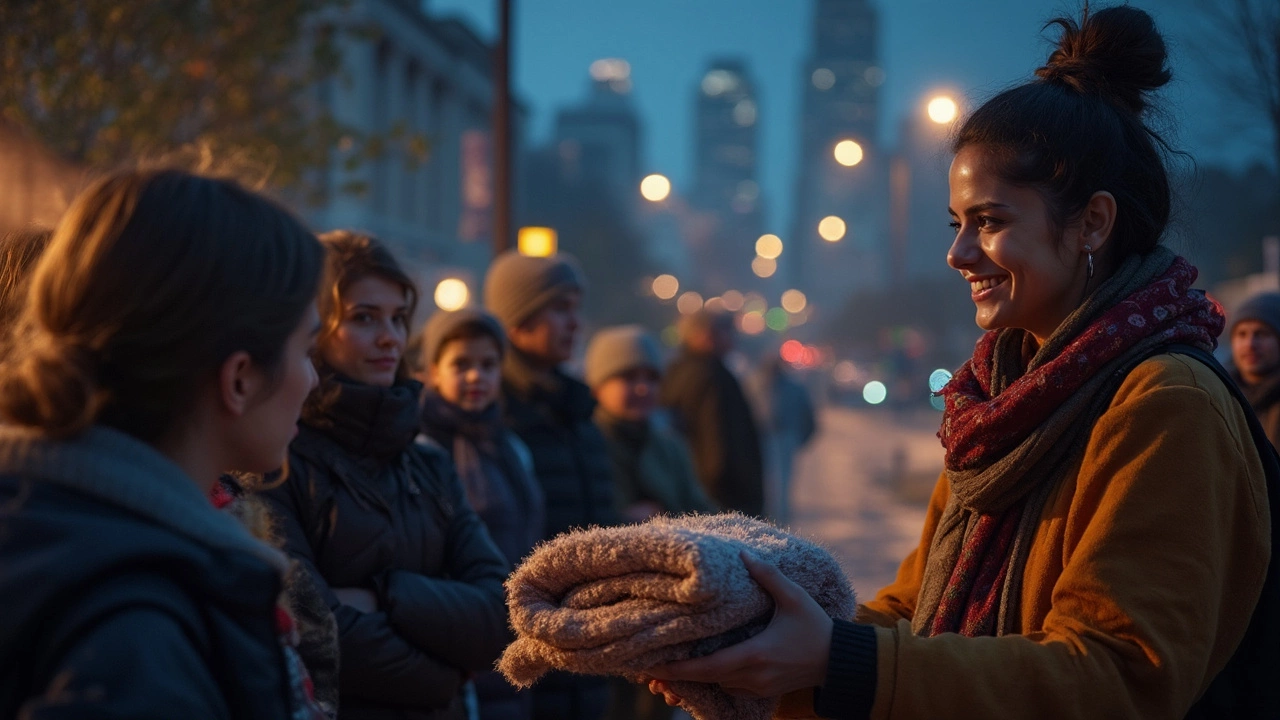
Behind every safe shelter are people who show up—volunteers packing meals, donors giving socks and blankets, local leaders pushing for funding. And while the headlines focus on numbers, the real story is in the quiet moments: a child sleeping soundly for the first time in weeks, a parent getting a job interview, someone finally feeling safe enough to ask for help.
Below, you’ll find real stories and practical insights from people working in this space—from what donations actually help, to how shelters are structured, to why some programs succeed while others fail. There’s no magic fix, but there are proven ways to make a difference. And you don’t need to be a nonprofit director to be part of it.
Best Places to Go When Homeless: Finding Safe Shelters
Navigating homelessness is tough, but knowing where to find safe shelters can make a huge difference. This article dives into essential tips for finding support and shelter, including safe spots in Melbourne, identifying trustworthy places, and knowing the resources available to help those in need. It's a guide meant to offer practical advice and hope to those facing life without a permanent home.
Read More