Nonprofit Organizations: What They Do, How They Work, and Where to Get Involved
When you hear nonprofit organizations, groups formed to serve public needs without aiming for profit. Also known as not-for-profits, they run shelters, run food drives, teach kids, protect the environment, and support people with nowhere else to turn. Unlike businesses, they don’t answer to shareholders—they answer to the people they serve. In Odisha, these groups are the quiet backbone of change, filling gaps where government services fall short. They’re the ones showing up after floods, teaching girls to read in remote villages, and helping elders get medicine. But not all nonprofits are the same. Some are small, run by volunteers in a single town. Others are large, with staff, budgets, and national reach.
Many people confuse charity, a broad term for any organization giving aid to those in need with a charitable trust, a legal structure where assets are held and managed for charitable purposes. A charity can be a nonprofit, but not every nonprofit is a trust. Trusts are often set up with specific rules—like how money is spent or who can manage it—and they come with legal restrictions. You can’t just take money out of a charitable trust for yourself. Once it’s in, it’s locked in for the cause. That’s why transparency matters. People want to know if their donation goes to food, or to a fancy office. That’s why some nonprofits work hard to show you exactly where your money goes—like the ones that cover overhead with separate funding so 100% of your donation reaches the person who needs it.
Volunteering is how most people first connect with these groups. But volunteering isn’t always sunshine and smiles. It can drain you—time, energy, even money. Some nonprofits rely too much on free labor. That’s why the best ones treat volunteers like real team members: they give clear roles, flexible hours, and real recognition. And it’s not just about showing up. The most effective nonprofits build community engagement, the process of working with people to solve local problems together. That means listening, not just telling. It means letting people lead, not just follow. The four core values—respect, transparency, inclusion, and accountability—are what turn good ideas into lasting change. Skip one, and the whole thing cracks.
So what’s the real difference between a group that fades away and one that lasts? It’s not the size. It’s not the fancy website. It’s whether they stay focused on what actually helps people. In Odisha, that could mean running a school club that gives kids a safe place after class, or organizing a donation drive that gets real socks to homeless shelters—not just empty promises. You’ll find stories here about how people turned volunteering into a career, how to spot a trustworthy charity, and why some fundraising events cost more than they raise. You’ll learn what works, what doesn’t, and who’s really making a difference—not just talking about it.
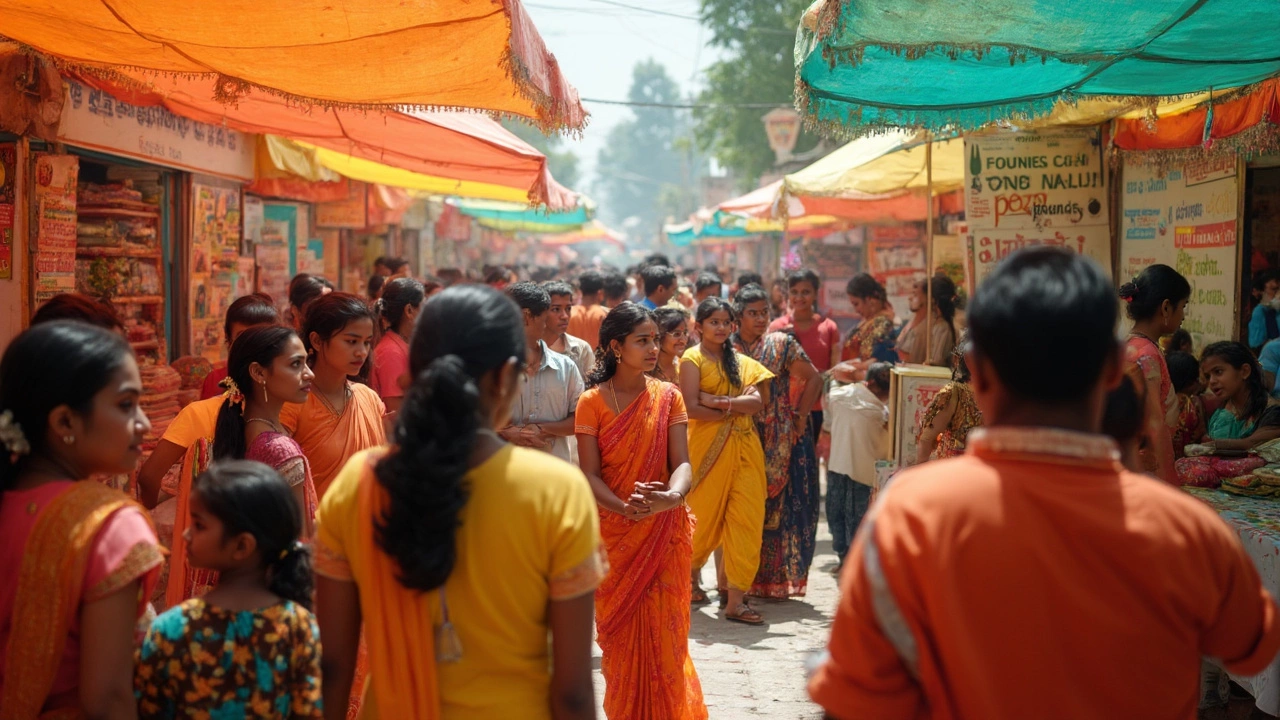
5 Types of Charities: How to Tell Them Apart at Charity Events
When you go to a charity event, all the causes can start to blur together. There are actually five main types of charities, each focusing on different areas like health, education, or basic needs. Knowing how to tell them apart makes it easier to choose where your efforts and money will make the biggest difference. This guide breaks down each type in plain language, with tips that'll help you spot them at your next event. Whether you want to donate, volunteer, or just understand the landscape, you'll walk away with practical insight.
Read More