Local Impact: How Community Actions Create Real Change
When we talk about local impact, the tangible difference made by individuals and groups within a specific community. Also known as grassroots change, it’s not about big budgets or national campaigns—it’s about neighbors helping neighbors, schools organizing food drives, and volunteers showing up week after week. This is the kind of change you can see, touch, and feel—like a school club that started with five kids and now feeds 200 families every month, or a group of women in a village who turned an empty lot into a community garden that supplies fresh veggies to elders.
Community engagement, the process of working collaboratively with people to address issues that affect them is the engine behind every real local impact. It’s not a one-time event. It’s trust built over time. The four core values—respect, transparency, inclusion, and accountability—are what keep these efforts alive. Skip even one, and the whole thing starts to crack. You’ll see this in posts about why volunteers quit, how to grow a school club without spending a dime, and what makes a charity actually trustworthy. These aren’t abstract ideas—they’re daily choices made by people in Odisha who refuse to wait for someone else to fix things.
Nonprofit organizations, structured groups that operate for social good instead of profit are the backbone of local impact. But not all nonprofits are the same. Some drain resources with expensive events. Others run lean, focused on real outcomes—like housing first programs that actually end homelessness, or charities that use 100% of donations because overhead is covered by grants. You’ll find real examples here, not theory. And you’ll learn how to spot the difference so your time, money, or effort doesn’t get wasted.
Then there’s volunteer work, the unpaid effort people give to support causes they care about. It’s powerful—but it’s not always rewarding. People burn out. They get used as free labor. They spend money on gas and supplies just to show up. That’s why posts here don’t just cheerlead volunteering—they tell the truth about its downsides, and how to make it sustainable. Some volunteers even turn their passion into paid jobs. It’s not magic. It’s consistency, skill-building, and proving your value.
What ties all this together? Action that starts small and stays local. You don’t need to save the world. You just need to show up where you are. Whether you’re a parent wondering how many after-school activities are too many, a student trying to grow a club, or someone wondering if donating socks really helps homeless people—this collection has answers grounded in real experience, not fluff.
Below, you’ll find real stories from people who made a difference—not because they had power or money, but because they cared enough to try. And if you’re looking to do the same, you’ll find exactly what you need to get started—no jargon, no hype, just clear steps and honest lessons.
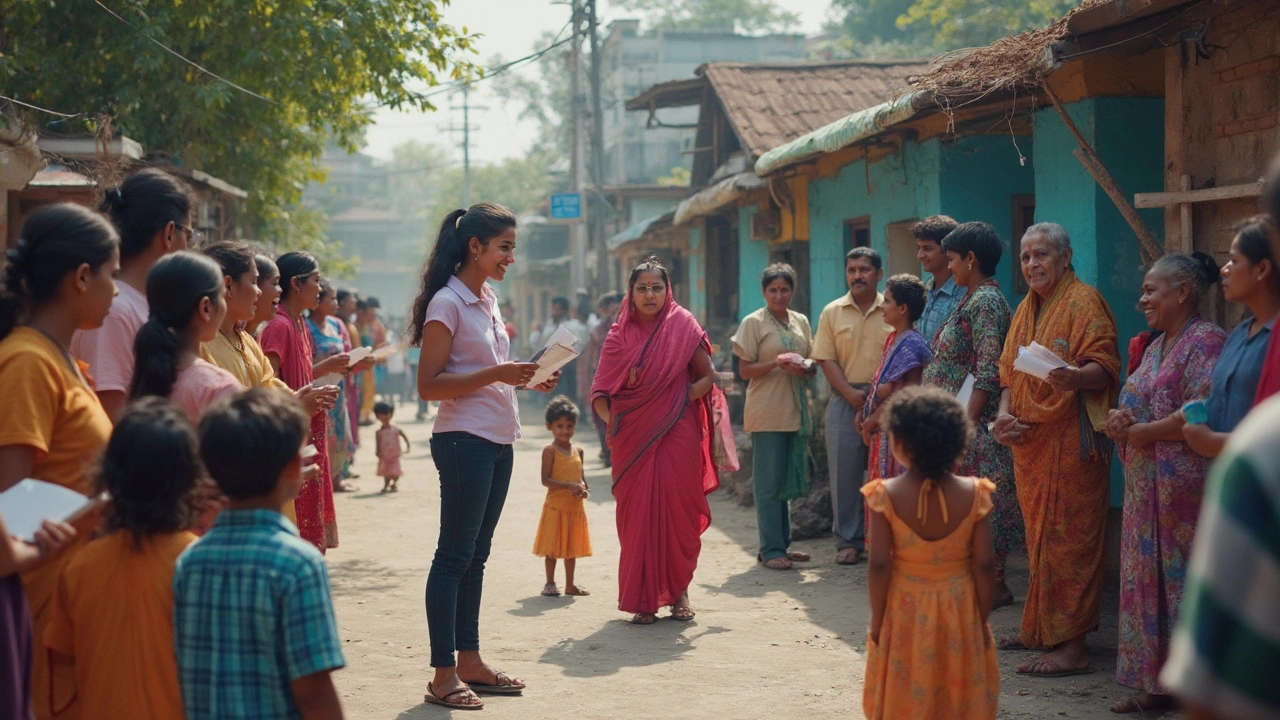
Community Outreach Objective: Why It Matters and How It Works
Community outreach isn't just a buzzword. It's about connecting people and organizations to create real change, solve local problems, and give everyone a voice. This article explains what the main goals of community outreach are, shows what it looks like in action, and offers hands-on tips for making a lasting impact. From building trust to making services accessible, you'll find practical advice that works in the real world. Discover how even small actions can make a huge difference in your neighborhood.
Read More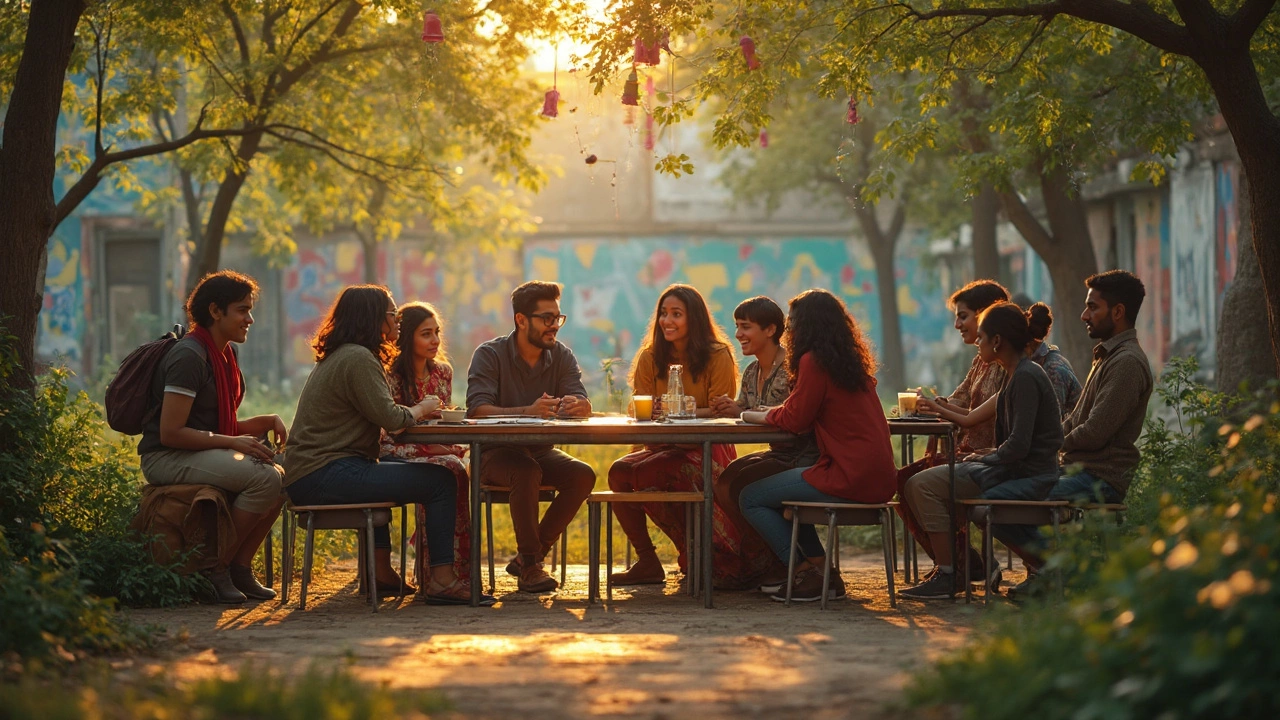
How to Start an Outreach: Your First Steps to Real Community Impact
Starting an outreach project isn't just about good intentions—it's about knowing where to begin and what actually works. This article shows you practical steps, real-life tips, and clever ways to get people interested. We'll break down how to figure out your goals, connect with the right folks, and avoid the common mistakes that slow down even the best ideas. Whether you’re reaching out as a parent, neighbor, or just someone who wants to help, you’ll find useful ideas that work right now. Get ready to make your outreach not just good, but unforgettable.
Read More