Life Skills: What They Are and Why They Matter in Real Life
When we talk about life skills, practical abilities that help people navigate daily challenges and build stronger relationships. Also known as essential life competencies, they’re not about grades or degrees—they’re about how you show up when things get messy. These are the skills that let you calm down during a crisis, speak up in a meeting, say no when you’re overwhelmed, or listen without jumping to fix things. You don’t learn them in a classroom. You learn them by doing—by volunteering at a shelter, running a school club, or even just managing your own stress after a long day.
Life skills show up everywhere in community work. Take community engagement, the process of building trust and collaboration between organizations and the people they serve. If you don’t know how to listen without judging, or how to follow through on a promise, your outreach won’t stick. That’s why the four core values of community engagement—respect, transparency, inclusion, and accountability—are really just life skills in disguise. Same with volunteer management, how organizations keep people engaged, motivated, and not burned out. Volunteers quit not because they’re lazy—they quit because they feel used, unclear on their role, or unheard. That’s not a policy problem. That’s a life skills problem.
And here’s the truth most people skip: life skills are the real currency of nonprofit work. You can have the best fundraiser, the flashiest website, the most passionate mission—but if your team can’t communicate, manage time, or handle conflict, it all falls apart. That’s why posts on this page cover things like why volunteers quit, how to grow a school club without a big budget, and what makes a charity actually trustworthy. These aren’t just charity tips. They’re life skill builders in disguise. Whether you’re a parent trying to balance your kid’s after-school activities, a volunteer wondering if it’s worth the burnout, or someone trying to figure out where your donations actually go—you’re learning how to live better, not just give better.
What follows isn’t a list of theories. It’s a collection of real stories from people who’ve been there: the volunteer who turned their work into a paid job, the parent who learned how many activities are too many, the donor who found a charity that actually uses every dollar. These aren’t perfect solutions. They’re messy, practical, and human. And if you’re looking to make a difference—whether in your neighborhood, your school, or your own life—you’ll find something here that sticks.
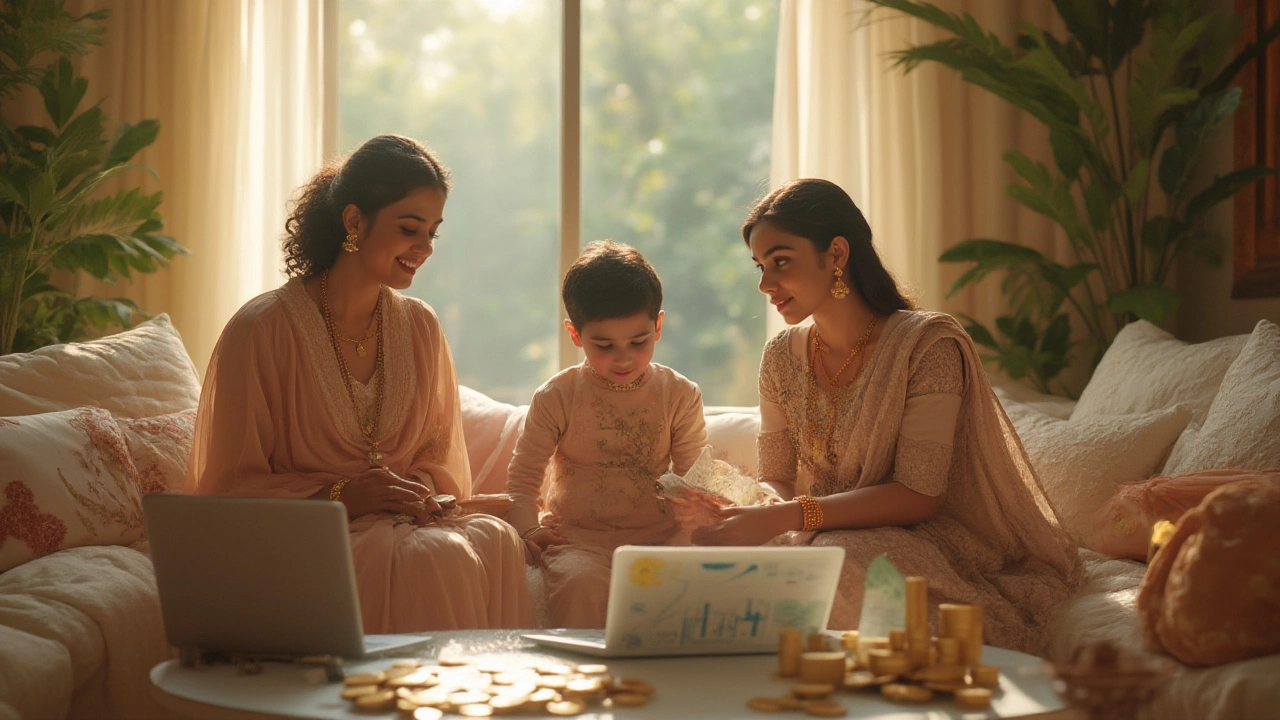
Inside the Private World: What Rich Kids Learn Early On
Peek inside the private world of affluent families: discover what rich kids learn, from finance basics to unique life skills, and why their lessons matter.
Read More