Food Drive: How to Organize, Donate, and Make a Real Difference
A food drive, a community-led effort to collect and distribute food to people in need. Also known as food collection, it’s one of the most direct ways to fight hunger where it’s happening—right in your neighborhood. It’s not just about dropping off cans at a church or school. A real food drive connects people, builds trust, and answers a simple question: Who’s going hungry around you?
Most food drives rely on food banks, local organizations that store, sort, and deliver food to families, shelters, and schools. But not all food banks are the same. Some take canned goods only. Others need fresh produce, baby formula, or peanut butter. A few even ask for socks—yes, socks—because they’re the most requested item by people living on the streets. Knowing what’s actually needed makes your drive matter more than just filling a box.
Successful food drives don’t need big budgets. They need clear goals: Where will the food go? Who’s collecting it? What days and times work for donors? The best ones are run by schools, neighborhood groups, or local churches that already have trust in the community. They don’t just ask for donations—they explain why it matters. One group in Cuttack collected over 2,000 meals in two weeks by simply asking parents at the school gate: "What’s one thing your neighbor might need right now?"
There’s a big difference between a one-time drop-off and a lasting community outreach, ongoing efforts to support people through consistent, respectful action. A food drive that happens once a year feels like charity. One that happens every month feels like care. And when people see their neighbors showing up—week after week—it changes how everyone thinks about hunger.
Don’t assume you know what people need. Ask the food bank. Check their website. Call them. Some need rice. Others need lentils. A lot need clean water bottles. And many need volunteers to help sort and deliver—not just money. The most effective drives are the ones where people show up, not just send checks.
And here’s something most people don’t say: Food drives can be exhausting. You’ll spend hours organizing, hauling boxes, dealing with last-minute cancellations, and wondering if it’s worth it. But then you meet someone who says, "This is the first hot meal my kids had all week," and you remember why you started.
What you’ll find below are real stories and practical guides from people who’ve run food drives in Odisha and beyond. You’ll learn how to pick the right items to donate, how to avoid common mistakes, and how to turn a single event into a movement. Some posts talk about what charities really need—not what they say they need. Others show how students turned school clubs into food collection hubs. There’s no fluff. Just what works.
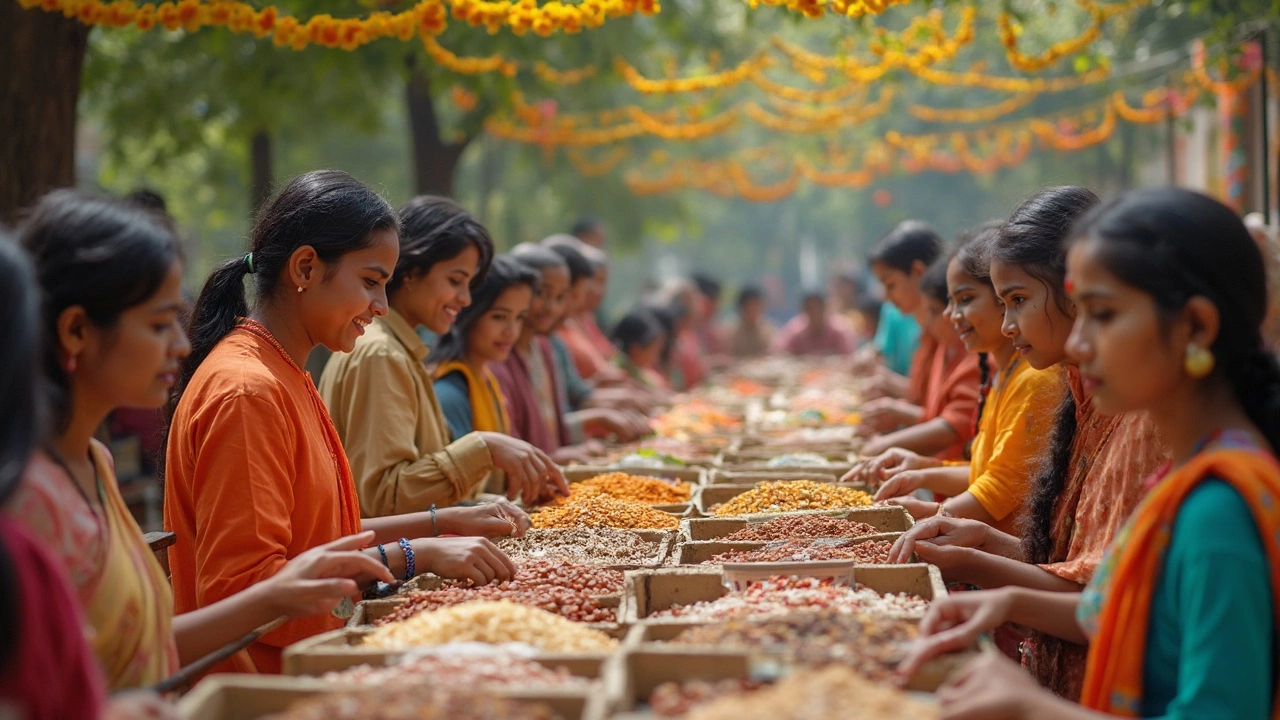
Community Activity Example: How a Neighborhood Food Drive Unites People
Community activities can make a real impact, and a neighborhood food drive is a classic example that brings people together for a good cause. This article looks at how a food drive works, why it's effective, and what you can learn by joining or organizing one. Get tips on planning, teamwork, and making sure your efforts help those who need it most. Discover what makes this simple activity so powerful for both volunteers and recipients. Whether you want to help or just see how these events come together, you'll find practical insights here.
Read More