Environmental Threat: What's Really at Risk and How Communities Are Fighting Back
When we talk about environmental threat, a condition where natural systems are damaged by human activity or natural change, putting life and resources at risk. Also known as ecological risk, it's not just about smog or plastic in the ocean—it’s about the slow unraveling of the systems that keep us alive. Every environmental threat starts with a disruption: a river choked with waste, soil stripped bare, trees cut down without replanting. These aren’t distant problems. They show up in Odisha’s coastal villages where fishing catches drop, in farming towns where monsoon rains wash away topsoil, and in cities where children breathe air thick with dust and smoke.
Everything in our environment breaks down into two simple groups: biotic, living things like plants, animals, and microbes that interact and depend on each other, and abiotic, non-living parts like water, air, soil, and sunlight that support life. When one side breaks, the other follows. If the soil (abiotic) loses nutrients, crops (biotic) die. If fish vanish (biotic), the people who depend on them lose income and food. That’s the chain reaction no one talks about until it’s too late. And here’s the truth: most environmental threats aren’t caused by big corporations alone. They’re fueled by systems—poor waste management, lack of education, weak enforcement—that let small, daily choices add up to big damage.
That’s where community action steps in. Across Odisha, local groups aren’t waiting for government orders. They’re planting mangroves to protect shorelines, organizing clean-up drives along rivers, teaching kids how waste affects their health, and pushing for better rules at the village level. These aren’t flashy campaigns. They’re quiet, consistent, and rooted in real need. You’ll find stories here about how volunteers turned frustration into action, how small NGOs built trust one household at a time, and how simple changes—like switching from plastic bags to cloth—rippled through entire neighborhoods. This collection isn’t about doom. It’s about what happens when people stop seeing environmental threat as someone else’s problem and start treating it like their own.
What follows are real stories, practical checks, and hard truths—from how to spot a charity that actually protects the environment, to why volunteering for clean-up projects can backfire if not done right, to how understanding biotic and abiotic systems helps you make smarter choices every day. There’s no fluff here. Just what works, what doesn’t, and who’s doing it right—in Odisha and beyond.
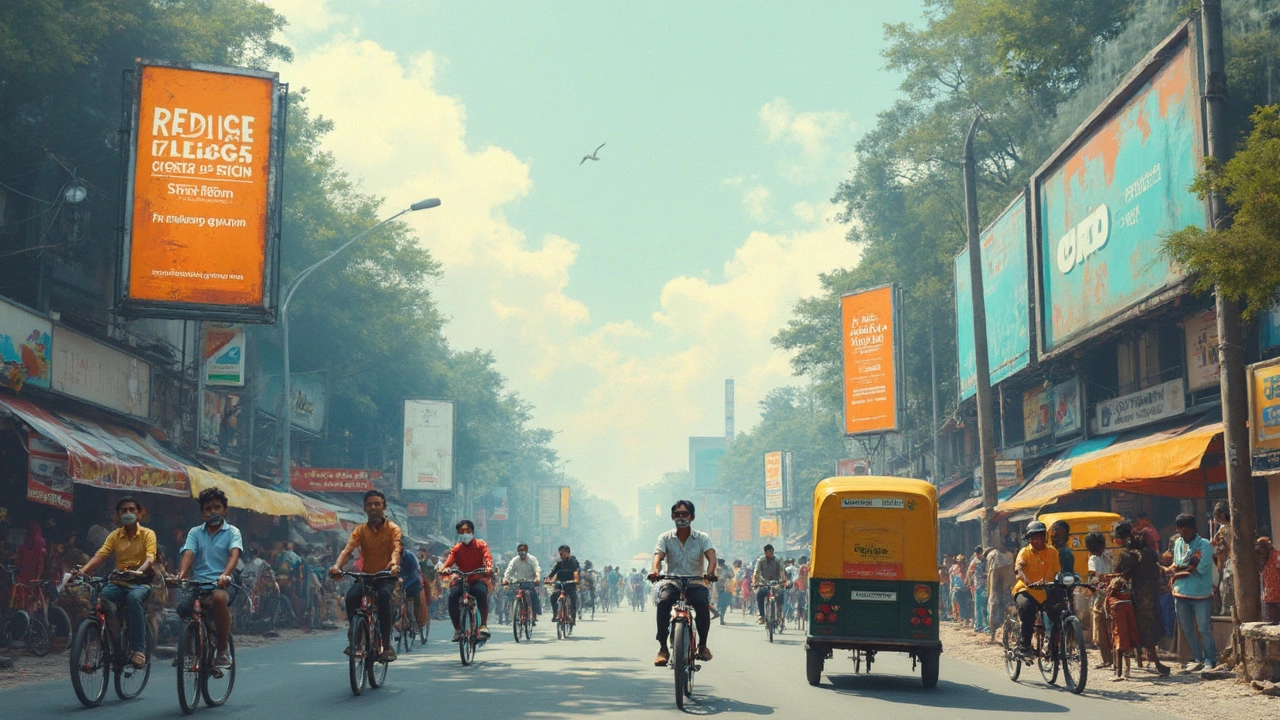
Biggest Environmental Threat Faced Today
Climate change is often seen as the leading environmental threat of our time, affecting weather patterns, sea levels, and ecosystems. It’s largely driven by human activities like burning fossil fuels and deforestation. Tackling climate change requires global cooperation, with emphasis on reducing carbon emissions and protecting natural habitats. Public awareness and personal actions can contribute significantly to making positive changes.
Read More