Elderly Care: Practical Support, Resources, and How to Help in Odisha
When we talk about elderly care, the systems and actions that help older adults live safely, comfortably, and with dignity. Also known as senior care, it’s not just about medicine or meals—it’s about respect, routine, and real human connection. In Odisha, where families are often spread thin by work or migration, elderly care is becoming a community responsibility, not just a family one.
Many older people in rural and urban Odisha live alone, with limited access to healthcare, mobility aids, or even regular check-ins. That’s where community support, local networks of neighbors, volunteers, and NGOs working together to meet daily needs steps in. From weekly phone calls to doorstep grocery delivery, these efforts keep seniors safe and less isolated. Aging in place, the choice to stay in one’s own home as they grow older, rather than moving to a facility is what most elders want—but it only works if the community backs it up. And that’s where volunteer for seniors, individuals who give time to assist older adults with errands, companionship, or health monitoring makes the biggest difference.
Some of the most effective programs don’t require big budgets—they just need people showing up. A local NGO might organize tea circles where seniors share stories. A school club might pair students with elderly neighbors for weekly visits. A simple phone tree can prevent loneliness from turning into crisis. These aren’t fancy initiatives. They’re quiet, consistent acts of care—and they’re happening right now across Odisha.
You won’t find grand hospitals or high-tech gadgets in most of these stories. Instead, you’ll find someone bringing medicine, helping with a broken chair, or just sitting quietly while an elder talks about their youth. That’s the heart of elderly care. It’s not about doing everything. It’s about doing something—regularly, reliably, and with heart.
Below, you’ll find real stories and practical guides from people who’ve built these networks—from how to start a senior outreach group, to what kind of help matters most, to how volunteering for older adults can change your own life too. These aren’t theoretical ideas. They’re tools, tips, and truths from those already doing the work.
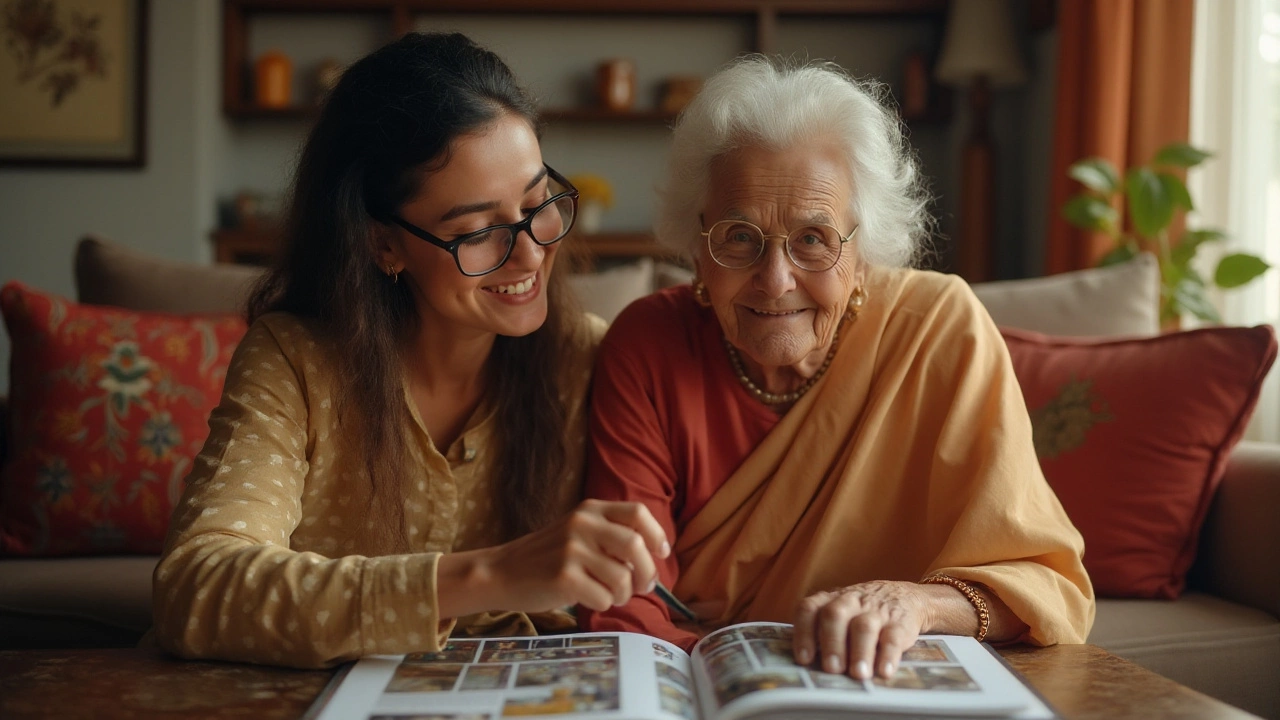
Essential Steps for When Seniors Can No Longer Live Independently
Caring for elderly loved ones who can no longer live alone can be challenging yet rewarding. This article explores practical solutions and resources for ensuring their safety and well-being. It discusses the signs that indicate it's time for additional help and offers insights into choosing suitable care options. Readers will find valuable tips on balancing emotional and practical needs, making informed decisions easier.
Read More