Elder Assistance: How to Support Older Adults in Odisha
When we talk about elder assistance, practical support given to older adults to help them live safely and with dignity. Also known as senior care, it includes everything from helping with groceries to managing medication, and it’s not just about charity—it’s about keeping families and communities strong. In Odisha, where many older people live alone or with limited access to services, elder assistance isn’t a luxury. It’s a daily need.
Real elder assistance doesn’t mean big hospitals or expensive programs. It’s often simple: a neighbor checking in, a local volunteer delivering a meal, a community group organizing weekly health checks. These actions tie into aging in place, the idea that older adults should be able to stay in their own homes as long as possible, with the right support. That’s why many local NGOs in Odisha focus on home-based help instead of institutional care. They train volunteers, connect families with resources, and build networks so no senior is left isolated. And it works. Studies from rural Odisha show that seniors who get regular visits are less likely to fall, get sick, or feel hopeless.
Another key part of elder assistance is community care, a system where neighbors, local leaders, and volunteers work together to meet the needs of older residents. This isn’t new. In villages across Odisha, it’s been done for generations—through shared meals, collective watchfulness, and informal caregiving. Today, formal groups are building on that tradition. They’re using mobile clinics, phone check-ins, and local drop-in centers to reach more people. The goal? To make sure help doesn’t depend on money or location. If you’re looking to get involved, you don’t need a degree. You just need to show up.
What you’ll find below are real stories and practical guides from people doing elder assistance in Odisha—whether it’s helping a widow manage her pension, teaching seniors to use simple phones to call for help, or setting up free medicine distribution in a temple courtyard. These aren’t theory pieces. They’re action plans. You’ll learn what works, what doesn’t, and how you can start making a difference tomorrow, even with just an hour a week.
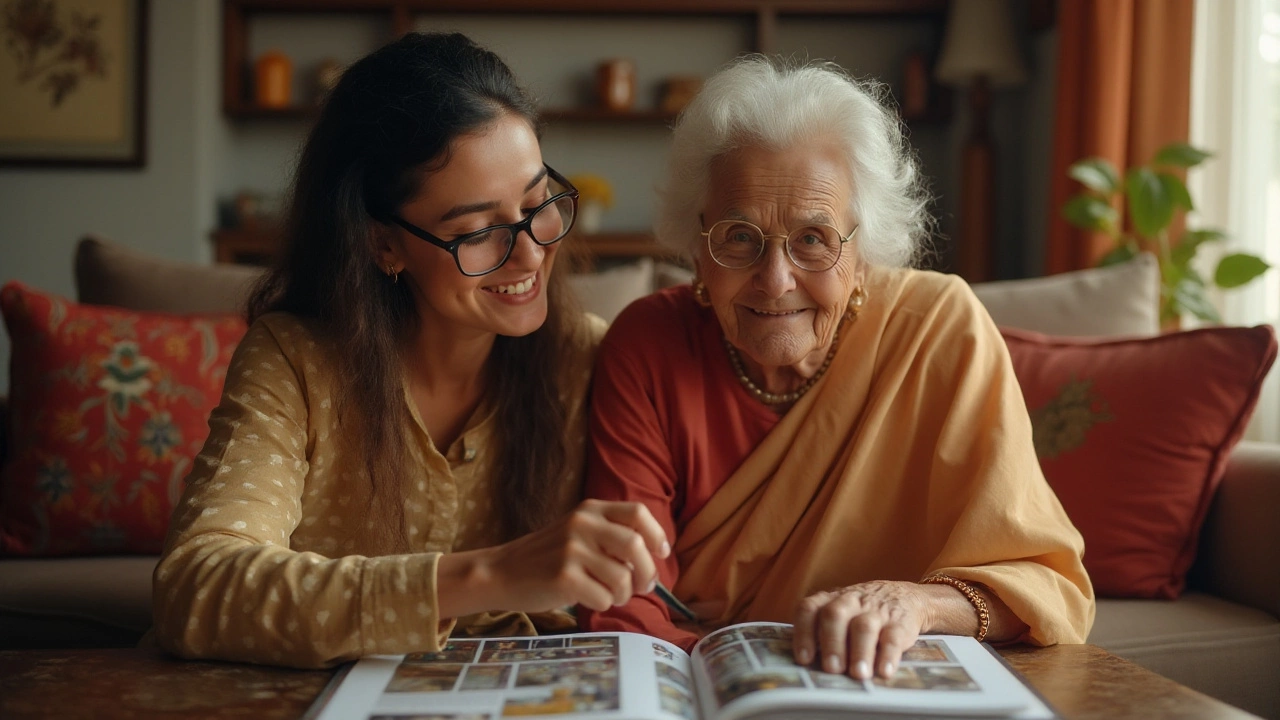
Essential Steps for When Seniors Can No Longer Live Independently
Caring for elderly loved ones who can no longer live alone can be challenging yet rewarding. This article explores practical solutions and resources for ensuring their safety and well-being. It discusses the signs that indicate it's time for additional help and offers insights into choosing suitable care options. Readers will find valuable tips on balancing emotional and practical needs, making informed decisions easier.
Read More