Deforestation: Why It Matters and What You Can Do About It
When we talk about deforestation, the large-scale removal of forests, often for agriculture, logging, or urban expansion. It's not just about losing trees—it’s about breaking the system that keeps air clean, water flowing, and communities safe. Every minute, we lose an area of forest equal to 30 soccer fields. That’s not a distant problem—it’s happening right now, and it’s tying directly into the climate crisis, food security, and even the health of people living near these forests.
biodiversity loss, the decline in plant and animal species due to habitat destruction is one of the most visible results. When forests vanish, so do the animals, insects, and plants that depend on them. Many of these species haven’t even been studied yet, and we’re losing them before we know what they could have helped us with. Then there’s climate change, the long-term shift in global weather patterns driven by greenhouse gases. Trees absorb carbon dioxide. When they’re cut down and burned or left to rot, that carbon gets released back into the air—making global warming worse. And in places like Odisha, where forests support local livelihoods, deforestation doesn’t just hurt the environment—it hurts families who rely on forest products for food, medicine, and income.
What’s often missed is how community action, local efforts by residents to protect or restore natural resources can turn the tide. From indigenous groups in Odisha managing forest lands sustainably to youth groups planting native trees in degraded areas, real change is happening at the grassroots level. These aren’t big campaigns with celebrity endorsements—they’re quiet, persistent efforts by people who live with the consequences every day.
You don’t need to live near a forest to care about deforestation. The paper you use, the furniture you buy, the food on your plate—they all have links to how forests are treated. That’s why the posts below cover everything from how to spot greenwashing in charity campaigns to how community-led reforestation beats top-down projects. You’ll find stories about people who turned frustration into action, and tools to help you understand what’s really happening—not just what you hear in headlines. This isn’t about guilt. It’s about clarity. And it’s about finding your place in the solution.
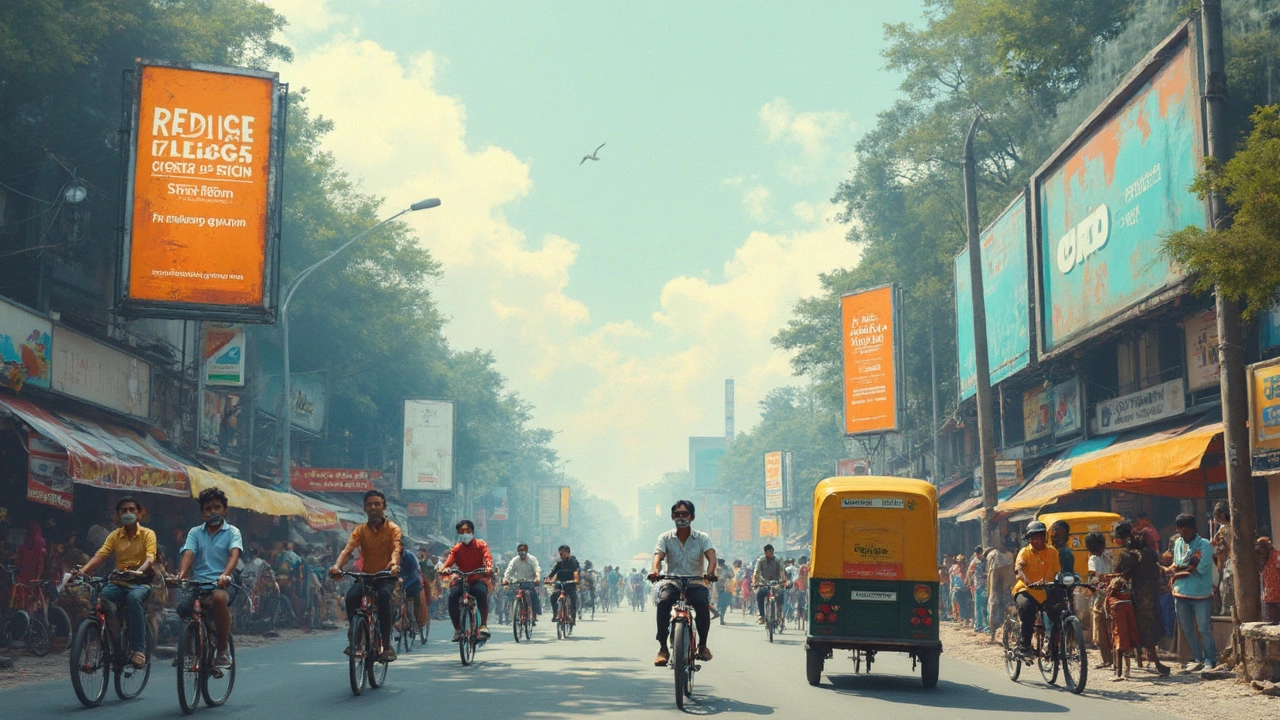
Biggest Environmental Threat Faced Today
Climate change is often seen as the leading environmental threat of our time, affecting weather patterns, sea levels, and ecosystems. It’s largely driven by human activities like burning fossil fuels and deforestation. Tackling climate change requires global cooperation, with emphasis on reducing carbon emissions and protecting natural habitats. Public awareness and personal actions can contribute significantly to making positive changes.
Read More