Community Activity: What It Really Means and How It Changes Lives
When we talk about community activity, organized efforts by local people to solve problems, build connections, or improve shared spaces. Also known as local engagement, it’s not just events or posters—it’s people showing up, week after week, to make something better. In Odisha, this looks like women forming self-help groups to clean village wells, students running after-school tutoring in rural schools, or elders teaching traditional crafts to kids who’ve never seen them before. It’s messy, unpaid, and often overlooked—but it’s the backbone of real change.
True community engagement, the intentional process of involving residents in decisions that affect their lives doesn’t happen because someone wrote a grant. It happens because someone asked, "What do you need?" and then listened. That’s why the four core values—respect, transparency, inclusion, and accountability—are non-negotiable. Skip one, and the whole thing falls apart. You can’t have a successful nonprofit organization, a group formed to serve a public purpose without aiming for profit if people don’t trust it. And you can’t build trust if your volunteers feel like free labor or your donors don’t know where their money goes.
volunteer work, time and effort given freely to help others without pay is often the engine behind community activity, but it’s not always rewarding. Many quit because they’re overworked, under-supported, or just tired of being told to "be grateful" for doing the job no one else will. The best programs fix that by giving volunteers real roles, clear expectations, and real recognition—not just a thank-you card. And when they do, people stick around. They start leading projects. They bring in friends. They turn passion into lasting impact.
Community activity isn’t about big events or flashy campaigns. It’s about socks being donated to shelters, school clubs growing because students actually care, and families learning how to protect their data under India’s new digital laws. It’s about knowing who to call when your neighbor needs help, or when a child needs a mentor. It’s the quiet work that doesn’t make headlines but keeps neighborhoods alive.
What you’ll find here isn’t theory. It’s real stories from people who’ve done this work—the good, the hard, and the surprising. You’ll learn why most fundraising events fail, how to spot a charity that actually uses your money, and why the largest youth organization in the world still matters. You’ll see how volunteers quit, how to keep them, and what really makes a good charity. Whether you’re trying to start something new, join an existing group, or just understand how change happens in your own town, this collection gives you the tools—not the fluff.
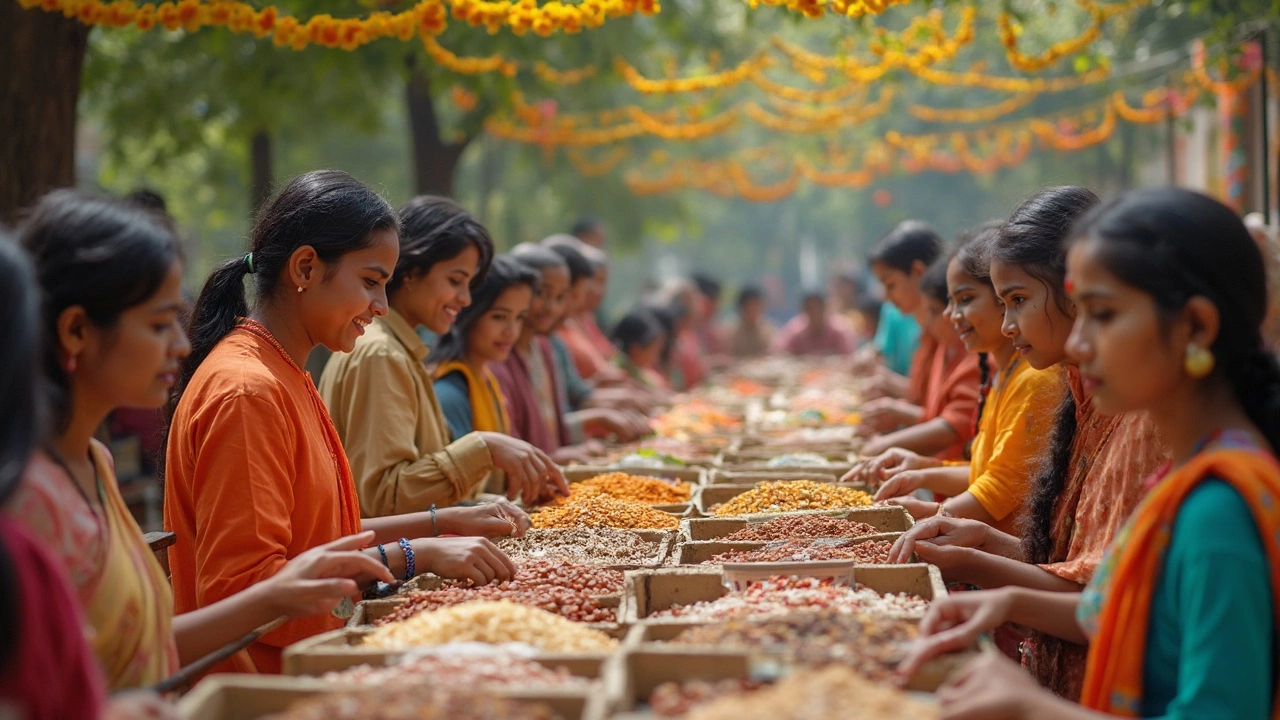
Community Activity Example: How a Neighborhood Food Drive Unites People
Community activities can make a real impact, and a neighborhood food drive is a classic example that brings people together for a good cause. This article looks at how a food drive works, why it's effective, and what you can learn by joining or organizing one. Get tips on planning, teamwork, and making sure your efforts help those who need it most. Discover what makes this simple activity so powerful for both volunteers and recipients. Whether you want to help or just see how these events come together, you'll find practical insights here.
Read More