Climate Change: How It Affects Communities in Odisha and What You Can Do
When we talk about climate change, the long-term shift in global weather patterns caused by human activity, especially the burning of fossil fuels. It's not just about rising temperatures—it's about broken harvests, flooded villages, and families losing everything in a single storm. In Odisha, this isn’t theoretical. Coastal communities see saltwater creeping into farmland. Farmers in the interior wait months for rain that never comes. And when the cyclones hit, they don’t just damage homes—they wipe out the few savings people had.
Environmental groups, local organizations focused on protecting natural resources and helping communities adapt to ecological threats are stepping in where government support falls short. These aren’t big international NGOs with fancy websites. They’re local women’s collectives planting mangroves to stop erosion. They’re youth groups teaching schoolchildren how to save water. They’re farmers sharing drought-resistant seeds through WhatsApp groups. These efforts are small, but they’re real—and they’re the only things keeping some villages alive.
Here’s the thing: community engagement, the process of involving local people in decisions that affect their lives and environment isn’t just a buzzword here. It’s survival. When people are included in planning, solutions stick. When outsiders show up with donations but no understanding of local needs, nothing changes. That’s why the most effective projects aren’t the ones with the biggest budgets—they’re the ones where neighbors lead the way.
And when you give to a charity, do you know where your money goes? charitable giving, the act of donating money or resources to support a cause, often through nonprofit organizations can help—but only if the group is transparent. Some charities spend half their donations on overhead. Others use every rupee for food, seeds, or flood barriers. You don’t need to be an expert to tell the difference. You just need to ask: Who’s running this? How do they measure success? Are they local?
What you’ll find below isn’t a list of generic tips. It’s a collection of real stories and practical insights from people working on the front lines. You’ll read about how volunteers in Odisha are turning climate stress into community strength. You’ll see how simple changes—like switching to drought-tolerant crops or building rainwater tanks—can mean the difference between hardship and hope. You’ll learn why some fundraising efforts fail while others build lasting trust. And you’ll find out who’s actually making a difference, not just talking about it.
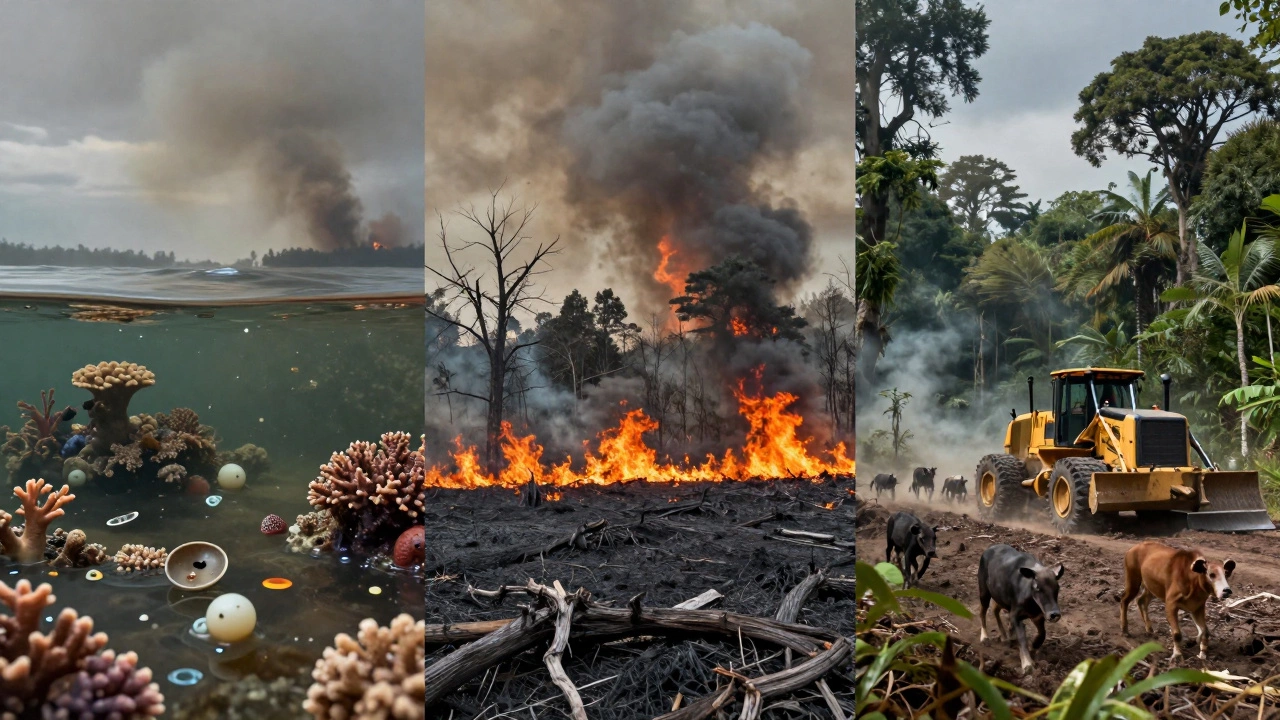
What Are the Three Main Environmental Problem Groups?
The three main environmental problem groups are pollution, climate change, and habitat loss. Together, they drive global crises-from toxic air and water to mass species extinction and extreme weather. Understanding these groups is the first step toward real change.
Read More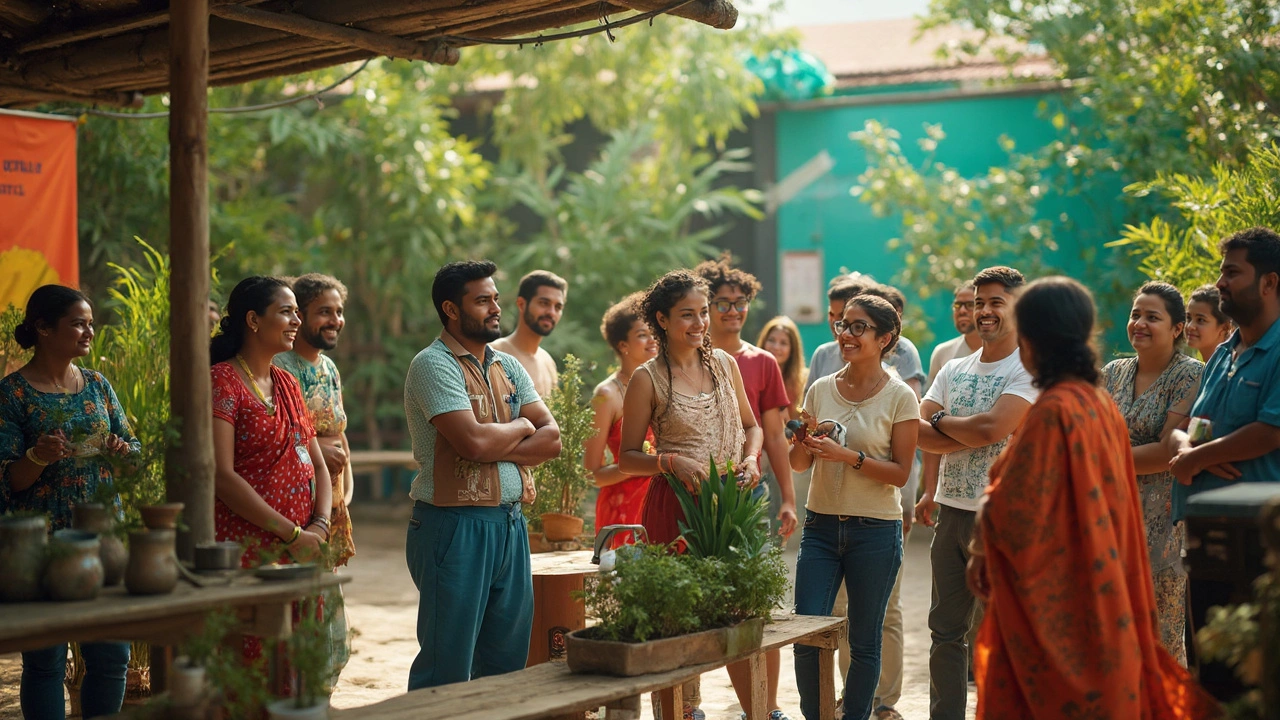
Environmental Group Example: How Greenpeace Takes Action
This article breaks down what makes up an environmental group, using Greenpeace as an example. You'll get a behind-the-scenes look at how such groups operate, the kind of projects they run, and ways they make real changes for the planet. Wondering how Greenpeace stays active all over the world or how you can get involved yourself? You'll find practical tips and surprising facts that might just change your idea of environmental activism.
Read More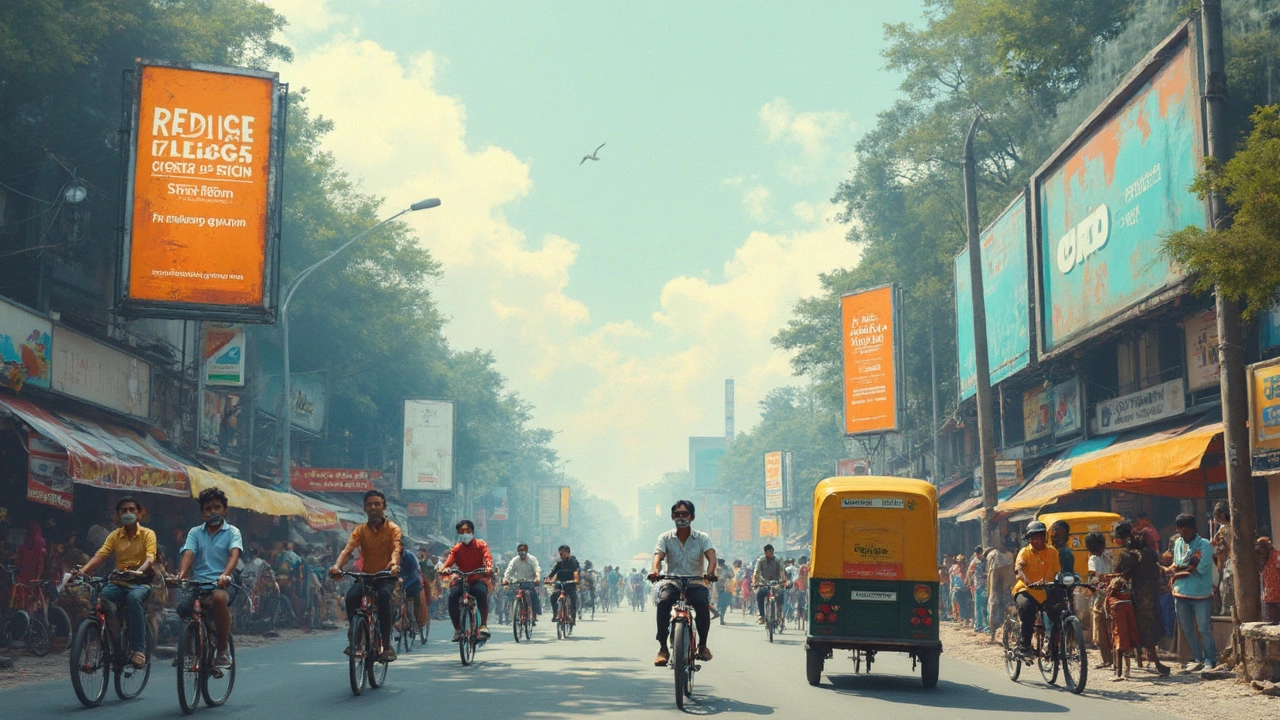
Biggest Environmental Threat Faced Today
Climate change is often seen as the leading environmental threat of our time, affecting weather patterns, sea levels, and ecosystems. It’s largely driven by human activities like burning fossil fuels and deforestation. Tackling climate change requires global cooperation, with emphasis on reducing carbon emissions and protecting natural habitats. Public awareness and personal actions can contribute significantly to making positive changes.
Read More