Charity Overhead: What It Really Costs to Do Good
When you give to a charity, you want your money to help people—not pay for fancy offices or expensive fundraisers. That’s where charity overhead, the administrative and fundraising costs a nonprofit spends to run its operations. Also known as nonprofit costs, it’s the part of every donation that doesn’t go directly to programs. Most people think low overhead means a better charity. But that’s not always true. A charity with $2 in overhead for every $100 raised might be starving its staff, skipping training, or avoiding marketing that could bring in more donors. Meanwhile, a charity spending $15 on overhead might be running smart campaigns, hiring skilled people, and tracking real results.
donor trust, how confident people feel that their money is being used well. Also known as charity transparency, it’s built not by hiding costs, but by explaining them. Good charities don’t hide their overhead—they show you why it matters. They tell you how much they spend on staff training, accounting software, or fundraising tools that help them reach more people. They share data on how many lives changed per dollar spent. And they don’t pretend that every dollar goes to food or shelter—because that’s not how real work gets done. If a charity claims 100% of donations go to programs, ask: who pays the rent? Who answers the emails? Who files the taxes? Someone always pays.
Overhead isn’t evil. It’s the engine. Without it, even the best intentions stall. A charity with no overhead is like a car with no fuel pump—nice to look at, but it won’t move. The real question isn’t ‘Is overhead low?’ It’s ‘Is overhead smart?’ The charities that last don’t cut costs—they invest in them. They pay fair wages so staff don’t burn out. They use good software so they don’t waste hours on spreadsheets. They run smart fundraisers so they don’t have to beg for pennies.
What you’ll find below are real stories and facts about how charities manage money, what donors actually care about, and how to tell the difference between a charity that’s just trying to look good and one that’s actually getting results. From the hidden costs of fundraising events to the truth about charitable trusts and why some nonprofits are better at using money than others—this collection cuts through the noise and shows you what matters.
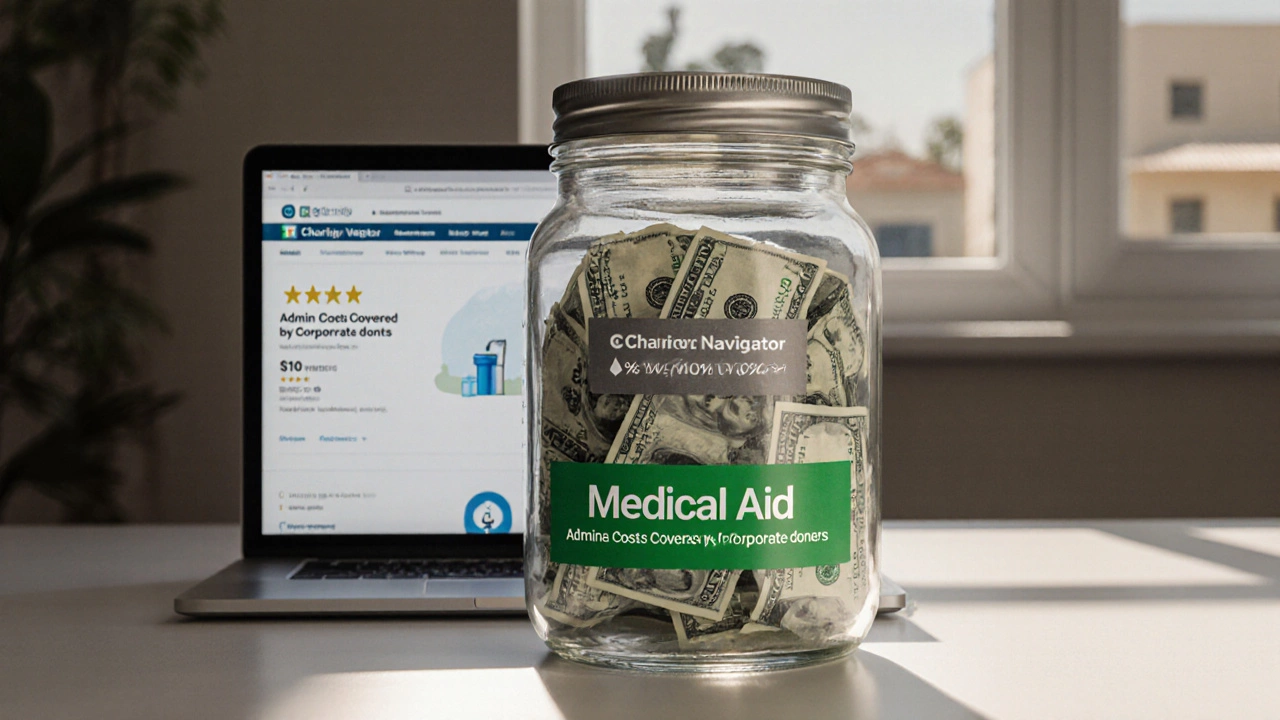
Which Charities Use 100% of Donations? Real Examples and How to Spot Them
Few charities use 100% of donations, but some cover overhead with separate funding so your money goes directly to those in need. Learn how to spot transparent, efficient charities and where your donations truly make a difference.
Read More