Charities That Use 100% of Donations: Real Truths and Better Ways to Give
When you hear charities that use 100% of donations, organizations that claim every dollar goes directly to the cause. Also known as zero-overhead charities, it’s a powerful idea—but it’s also mostly a myth. The truth? Even the best-run nonprofits need money to operate. Paying staff, renting office space, running websites, and tracking impact costs money. If a charity says 100% goes to the cause, they’re either hiding expenses or cutting corners that hurt long-term results.
What really matters isn’t whether overhead is zero—it’s whether your donation creates lasting change. That’s where nonprofit transparency, how clearly an organization shares its finances, goals, and results comes in. Look for groups that publish annual reports, explain how funds are split, and show measurable outcomes—not just emotional stories. A charity spending 20% on operations but helping 10,000 people yearly is doing better than one spending 5% but reaching 500 with no follow-up.
Charitable trust, a legal structure that holds donated assets for long-term giving is another piece of this puzzle. It’s not a charity itself, but a tool some donors use to control how money flows over time. While it can offer tax benefits, it doesn’t mean more money reaches the cause—it just changes how it’s managed. And if you’re looking to give smart, avoid charities that push you toward setting up a trust as the only way to help. That’s often a sales tactic, not a solution.
Donor trust isn’t built on zero overhead. It’s built on honesty, consistency, and proof. The most effective organizations don’t hide their costs—they explain them. They show you how a $50 donation buys clean water for a family for a month, or how $200 trains a local volunteer to lead a literacy program. They track results, share failures, and adjust. That’s real accountability.
And here’s the thing: if you care about impact, you don’t need a charity that uses 100% of donations. You need one that uses its money wisely. That means looking beyond the headline and asking: Who’s running this? How do they know it works? What happens after the first donation? The answers will tell you more than any percentage ever could.
Below, you’ll find real guides on how to spot trustworthy charities, what goes wrong with fundraising events, how charitable trusts actually work, and why some of the most effective nonprofits aren’t even called charities at all. These aren’t theoretical tips—they’re tools used by people who’ve spent years working inside the system. You don’t need to be an expert to give better. You just need to know what to look for.
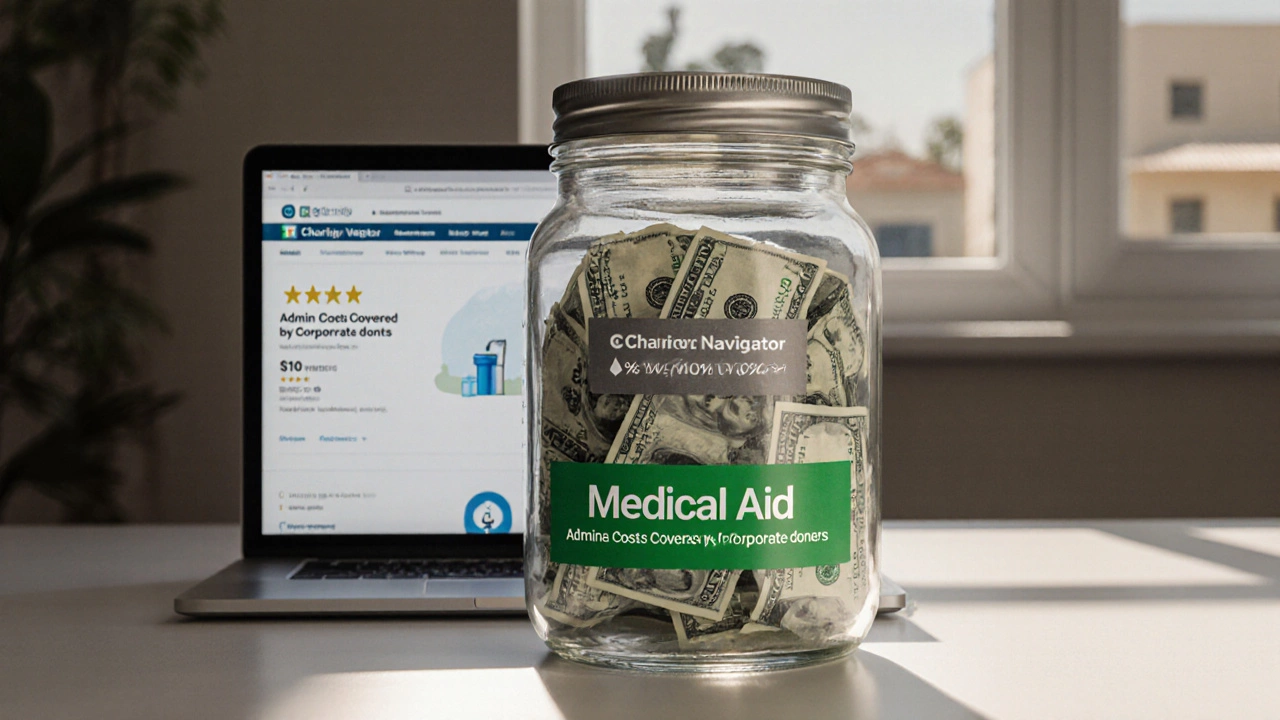
Which Charities Use 100% of Donations? Real Examples and How to Spot Them
Few charities use 100% of donations, but some cover overhead with separate funding so your money goes directly to those in need. Learn how to spot transparent, efficient charities and where your donations truly make a difference.
Read More