Caregiver Support Programs: Help for Those Who Care for Others
When someone you love needs daily help—because of age, illness, or disability—you become a caregiver, a person who provides ongoing, unpaid care to a family member or friend who can’t fully care for themselves. Also known as informal caregiver, this role often means managing medications, cooking meals, helping with bathing, and dealing with emotional stress—all while holding a job or raising kids yourself. It’s not a job with a paycheck, but it’s one of the most demanding roles anyone can take on.
That’s where caregiver support programs, structured services designed to reduce stress, provide training, and connect caregivers with resources come in. These programs aren’t just about handing out pamphlets. They offer things like respite care so you can take a break, counseling to deal with guilt or exhaustion, and even free training on how to safely lift someone or manage dementia behaviors. In Odisha, these programs often run through local NGOs, health centers, or community groups that know what families are going through because they’ve seen it firsthand.
You don’t have to do this alone. Many caregivers don’t even know help exists until they’re burned out. That’s why these programs focus on early support—not just crisis intervention. They connect you with others in the same boat, so you’re not isolated. Some offer phone check-ins, others have weekly drop-in centers where you can get a hot meal and talk without judgment. There are even digital tools now that let you track medications or find local transport for medical appointments—all designed to make your day a little easier.
And it’s not just about the person being cared for. When caregivers get support, everyone benefits. The person receiving care stays healthier longer. Families feel less tension. Communities stay stronger. These programs recognize that caregiving isn’t a private struggle—it’s a shared responsibility. That’s why they work with local leaders, hospitals, and volunteers to build networks that last.
What you’ll find below are real stories and practical guides from people who’ve been there. From how to ask for help without feeling guilty, to spotting the signs of caregiver burnout before it’s too late, to finding free training in rural Odisha—you’ll see what’s actually working for others. No fluff. No theory. Just what you can use tomorrow.
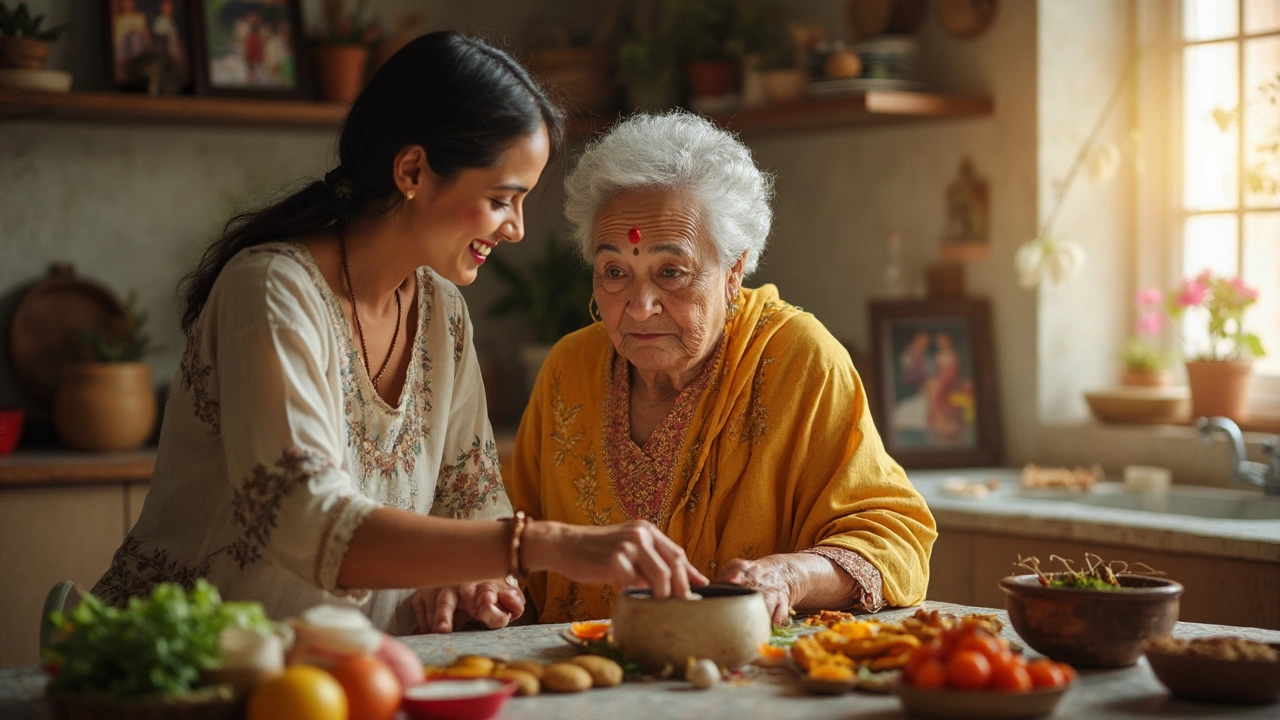
Get Paid to Care for Your Parents: Real Ways Family Caregiver Programs Work
Curious about programs that pay you to take care of your parents? Find out how family caregiver support works, who qualifies, and tips to maximize benefits.
Read More