Built Environment: What It Is and How It Shapes Your Community
When you walk down a street, sit in a park, or drop your kid off at school, you’re interacting with the built environment, the human-made surroundings that provide the setting for human activity, ranging from buildings and parks to roads and water systems. Also known as human-made environment, it’s not just concrete and steel—it’s the invisible force shaping how safe, healthy, and connected your community feels. If your neighborhood has wide sidewalks, good lighting, and a nearby community center, you’re more likely to walk, talk to neighbors, and stay involved. If it’s got broken benches, no bus stops, and dark alleys, even the best intentions won’t fix the isolation.
The built environment doesn’t just happen by accident. It’s the result of decisions—about zoning, funding, design, and who gets a say. In Odisha, small towns and villages are starting to rethink this. A community center built with local input isn’t just a building; it’s a tool for inclusion. A safe walking path to school isn’t just infrastructure; it’s a step toward equity. These changes connect directly to the kind of work you’ll find in the posts below: community outreach that listens before it builds, nonprofit projects that prioritize access over aesthetics, and volunteer efforts that fix what’s broken because no one else will.
It’s easy to think the built environment is just about cities or big projects. But it’s also about the bench outside the temple that’s too high for elders to sit on, the lack of ramps at the anganwadi, or the single water tap shared by 20 families. These aren’t minor issues—they’re symptoms of a system that didn’t design for everyone. The good news? Change doesn’t need a huge budget. It needs people who notice, care, and act. The posts here show how ordinary people in Odisha are turning small fixes into lasting change—whether they’re turning empty lots into play spaces, pushing for better public toilets, or helping schools design outdoor learning areas that actually get used.
You don’t need to be an architect or a planner to care about the built environment. You just need to live in it. And if you’ve ever wondered why your neighborhood feels off, or why some places buzz with life while others feel empty, the answer starts with what’s around you—and who got to decide what goes there.

What Are the Five Types of Environments and Why They Matter for Your Community
There are five types of environments-natural, built, social, cultural, and work-that shape your health and community. Understanding them helps you take real action for a healthier planet and stronger neighborhoods.
Read More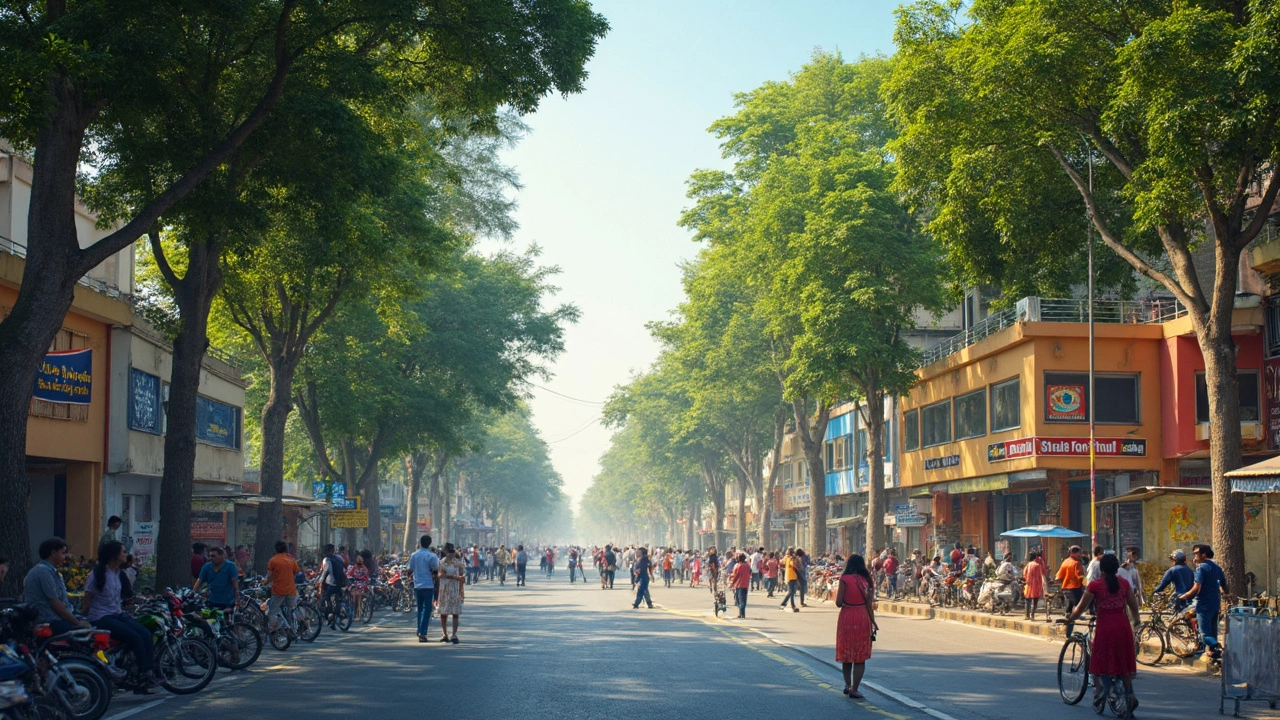
Understanding the Three Main Types of Environment: Natural, Built, and Social Explained
Dive into the essentials of the three main types of environment: natural, built, and social. Discover how each shapes our daily lives and well-being. Learn interesting facts, find helpful tips for improving your surroundings, and explore the interconnectedness of these environments. Perfect if you're curious about the world around you. Get real-life examples and relatable insights.
Read More