Biotic: Understanding Living Systems in Community and Environmental Work
When we talk about biotic, living components of an ecosystem that interact with each other and their environment. Also known as living factors, it includes everything from humans and animals to plants and microorganisms that directly affect how communities grow, survive, and change. In Odisha, biotic elements aren’t just scientific terms—they’re the real people, animals, crops, and forests that make or break local initiatives. Whether you’re running a food drive, planting trees, or organizing a youth club, you’re working within a web of living systems that respond to how you treat them.
Think about the ecosystem, a community of living organisms interacting with their physical environment around a village well. The water isn’t just a resource—it’s shaped by the trees nearby that prevent erosion, the bees that pollinate crops, the families who walk miles to fetch it, and the bacteria that might make it unsafe. Skip any one of these biotic pieces, and the whole system stumbles. That’s why successful outreach isn’t about handing out flyers—it’s about understanding who’s already there, what they rely on, and how your project fits into their daily lives. The same goes for community engagement, the process of working collaboratively with groups of people affected by an issue. If you don’t respect the biotic relationships—trust between neighbors, local leadership structures, cultural habits—you’ll burn out volunteers, waste donations, and alienate the very people you’re trying to help.
Many nonprofits focus on funding or buildings, but the real work happens in the living parts: the teenager who starts a recycling club, the farmer who shares seeds with others, the elders who remember traditional land care. These are the biotic forces that turn short-term projects into lasting change. You can’t measure their impact with spreadsheets—you see it in the way kids start asking questions, in how women lead meetings, in how a once-barren patch of land now grows food for three families. That’s the power of biotic work: it’s messy, personal, and deeply human. Below, you’ll find real stories and practical guides on how to build projects that honor these living systems—not just fund them.
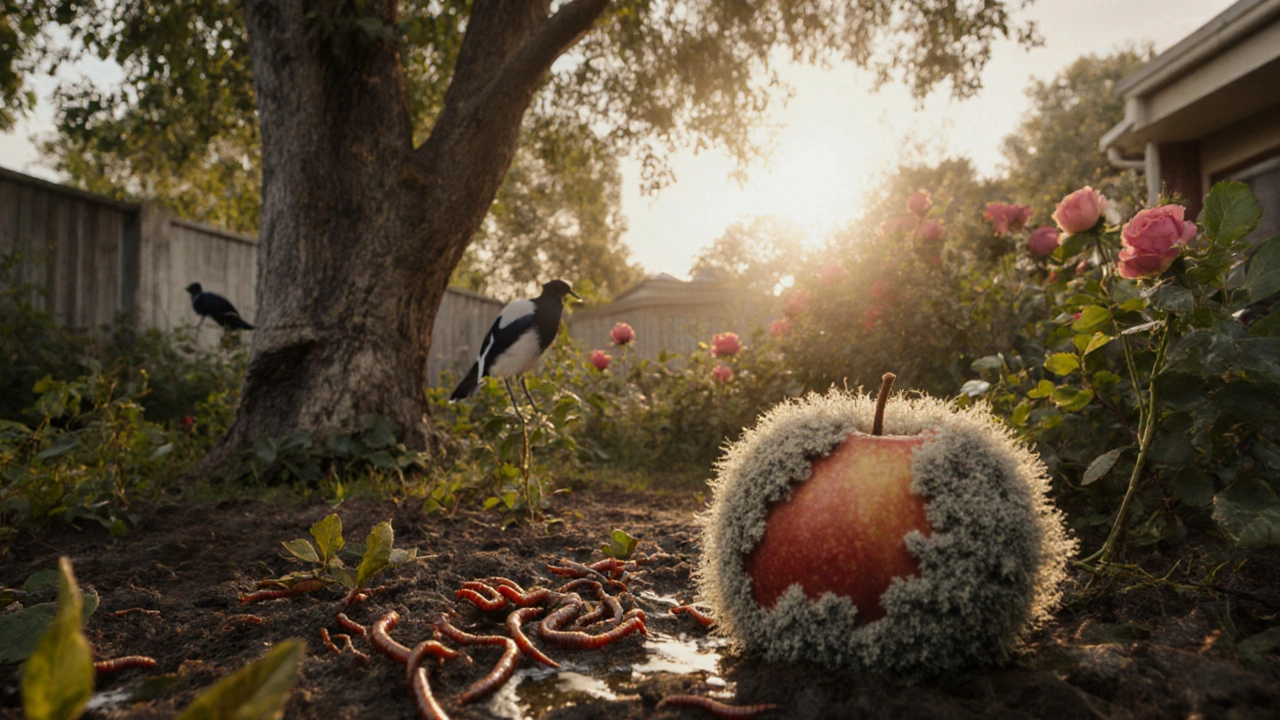
What Are the Two Groups of Things in Our Environment?
Everything in the environment falls into two groups: biotic (living) and abiotic (non-living). Understanding this simple split helps you see how nature works-and how your choices affect it.
Read More