How to Make a School Club Proposal That Gets Approved
 Jul, 17 2026
School Club Proposal Score Calculator
Ever had an idea for a club that you just knew would change the school culture, only to have it ignored by administration? You aren't alone. Most student-led initiatives fail not because the idea is bad, but because the proposal lacks structure, financial clarity, or a clear plan for sustainability. Schools are busy places with tight budgets and strict liability rules. To get your foot in the door, you need to speak their language.
This guide breaks down exactly how to build a school club proposal that administrators can’t say no to. We will walk through defining your mission, securing a faculty advisor, creating a realistic budget, and presenting your case with confidence. Whether you want to start a robotics team, a debate society, or a gardening group, the principles of approval remain the same.
Define Your Core Mission and Value Proposition
Before you write a single word, you need to answer one question: Why does this club exist? Administrators see dozens of requests every semester. They need to know how your club aligns with the school’s educational goals or community values. Is it filling a gap in the curriculum? Is it providing mental health support? Is it preparing students for specific careers?
Your mission statement should be concise-ideally one sentence. For example, instead of saying “We want to read books together,” try “The Literary Analysis Club provides a safe space for students to develop critical thinking skills through structured peer discussion.” This sounds academic, beneficial, and manageable.
Think about the "jobs-to-be-done" for the school. If you propose a coding club, mention how it supports STEM initiatives. If you propose a mindfulness group, highlight how it reduces student stress and improves attendance. Connect your passion project to the school’s existing priorities.
Secure a Faculty Advisor Early
A club cannot exist without a teacher or staff member willing to supervise it. This is often the biggest hurdle. Teachers are overworked. Don’t just ask any teacher; look for someone whose subject or interests align with your club. A drama teacher might be more inclined to advise a theater group than a math teacher.
When approaching a potential advisor, be respectful of their time. Prepare a brief pitch explaining what you need from them. Usually, they don’t need to lead meetings-they just need to show up, sign attendance sheets, and ensure safety protocols are followed. Emphasize that you will handle the heavy lifting. If you can show them that the club will enhance their department’s reputation or provide extra engagement for their students, they are more likely to say yes.
Structure Your Proposal Document
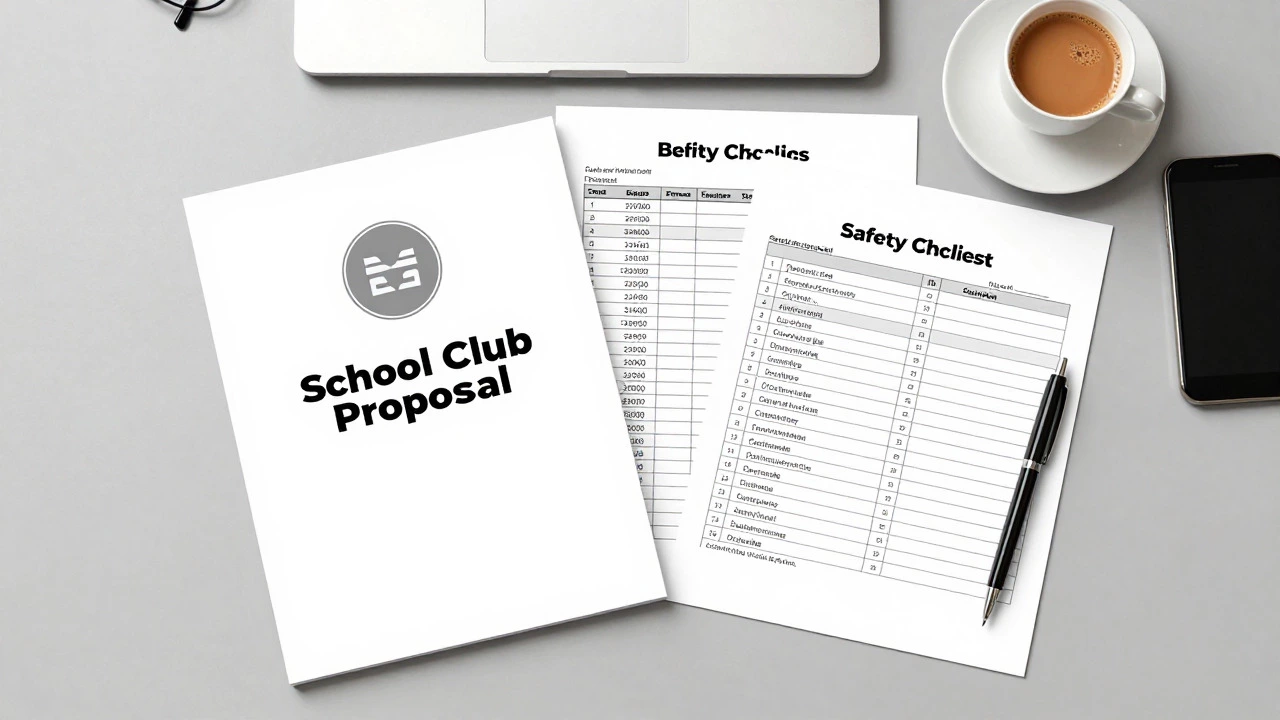
Once you have a mission and an advisor, it’s time to draft the formal document. Keep it professional, clean, and easy to skim. Administrators do not have time to read ten pages of fluff. Aim for two to three pages maximum. Here is the standard structure:
- Title Page: Club name, logo (if you have one), date, and names of the founding members and faculty advisor.
- Executive Summary: A short paragraph summarizing the club, its goals, and why it matters.
- Mission & Goals: Detailed explanation of the purpose and specific objectives for the first year.
- Target Audience: Who can join? Are there prerequisites? What is the estimated membership size?
- Meeting Schedule: When and where will you meet? How often?
- Budget & Funding: Costs involved and how you plan to pay for them.
- Safety & Liability: Risk management plans.
- Appendix: Draft constitution, sample activity plans, or letters of support.

Create a Realistic Budget and Funding Plan
This is where most proposals get rejected. Schools have limited funds. If you ask for $500 for supplies without showing how you’ll use it, you’ll be turned down. Be transparent and conservative.
List every potential cost: room rentals, guest speakers, materials, t-shirts, software subscriptions. Then, list your revenue streams. Will you charge a small membership fee? Will you hold bake sales? Can you apply for external grants? If you can show that the club is self-sustaining or requires minimal school funding, your chances of approval skyrocket.
| Item | Estimated Cost | Funding Source |
|---|---|---|
| Membership Fees ($5/student x 20) | $100 | Student Contributions |
| Basic Supplies (Markers, Paper) | $30 | School Discretionary Fund |
| Guest Speaker Honorarium | $50 | Fundraising Event |
| T-Shirt Printing (Optional) | $150 | Pre-order Sales |
Address Safety and Liability Concerns
Schools are obsessed with risk management. If your club involves physical activity, off-campus trips, or expensive equipment, you need a solid safety plan. Describe how you will supervise students. Do you have a parent permission slip template ready? Do you have a first-aid kit? Will you stay within school grounds during meetings?
If you are proposing an outdoor club, like hiking or gardening, mention that all activities will comply with the district’s field trip policies. Show that you’ve thought about the "what ifs." This demonstrates maturity and responsibility, which builds trust with the administration.
Draft a Simple Constitution
You don’t need a lawyer, but you do need basic rules. Include sections on membership criteria, officer roles (President, Treasurer, Secretary), meeting frequency, and voting procedures. This shows that your club is organized and democratic. It also protects the school by establishing clear lines of authority and accountability.
Pitching Your Idea Effectively
Submitting the paper is only half the battle. You need to present it. Request a brief meeting with the principal, vice-principal, or student activities coordinator. Dress professionally. Bring copies of the proposal. Speak clearly and passionately, but stay focused on the facts.
Anticipate objections. If they say “we don’t have the budget,” remind them of your fundraising plan. If they say “we don’t have the space,” suggest using the library during lunch or an empty classroom after school. Be flexible. The goal is to solve their problems, not create new ones.
Next Steps After Approval
Once you get the green light, don’t stop there. Send a thank-you note to everyone who helped. Start promoting the club immediately via social media, flyers, and announcements. Hold a kickoff event to generate excitement. Keep your faculty advisor updated regularly. Consistency is key to keeping the club alive beyond the first semester.
How long does it take to get a school club approved?
The timeline varies by school, but typically it takes 2 to 4 weeks from submission to final approval. Some schools have specific windows for new club applications, such as at the start of each semester. Check with your student activities office for their specific deadlines.
What if my faculty advisor changes?
It happens. Notify the administration immediately and request a temporary interim advisor while you search for a permanent replacement. Most schools allow clubs to operate briefly without an advisor if a transition is documented, but having a backup plan is crucial.
Can I start a club if I am a freshman?
Yes, absolutely. Many schools encourage younger students to take leadership roles. However, you may need a co-founder who is a junior or senior to help navigate administrative hurdles. Pairing up increases your credibility and share the workload.
Do I need a minimum number of members to start?
Most schools require a minimum of 5 to 10 committed members to approve a new club. Have these students sign a letter of interest or intent to join before you submit your proposal. This proves there is genuine demand.
What should I do if my proposal is rejected?
Ask for feedback. Find out exactly why it was denied. Was it the budget? The lack of an advisor? Address those concerns and resubmit later in the year. Persistence often pays off, especially if you can demonstrate growing interest among students.