What Not to Give to Charity: A Practical Guide
 Nov, 13 2026
Donation Impact Checker
Not every item belongs in a donation bin. Use this tool to check if your item helps the charity or costs them money.
You’ve cleaned out your closet. You have bags of clothes, stacks of books, and kitchen gadgets you never use. It feels good to want to help, but here is the hard truth: not every item belongs in a donation bina collection point for goods intended for charitable distribution. In fact, donating the wrong things can cost charities more money than they receive in value.
Most people assume that any usable item is helpful. But when you drop off stained shirts or broken electronics, you force non-profits to pay for sorting, storage, and disposal. According to the National Council of Nonprofits, handling unsuitable donations can eat up to 30% of an organization’s operational budget. So, before you load up your car, let’s look at exactly what to leave behind.
The Big No-Nos: Clothing That Costs More Than It’s Worth
Clothing drives are the most common form of giving, but they are also the source of the biggest headaches for organizations like Goodwill or local shelters. The rule of thumb is simple: if it wouldn’t pass a quality check in a thrift store, don’t give it away.
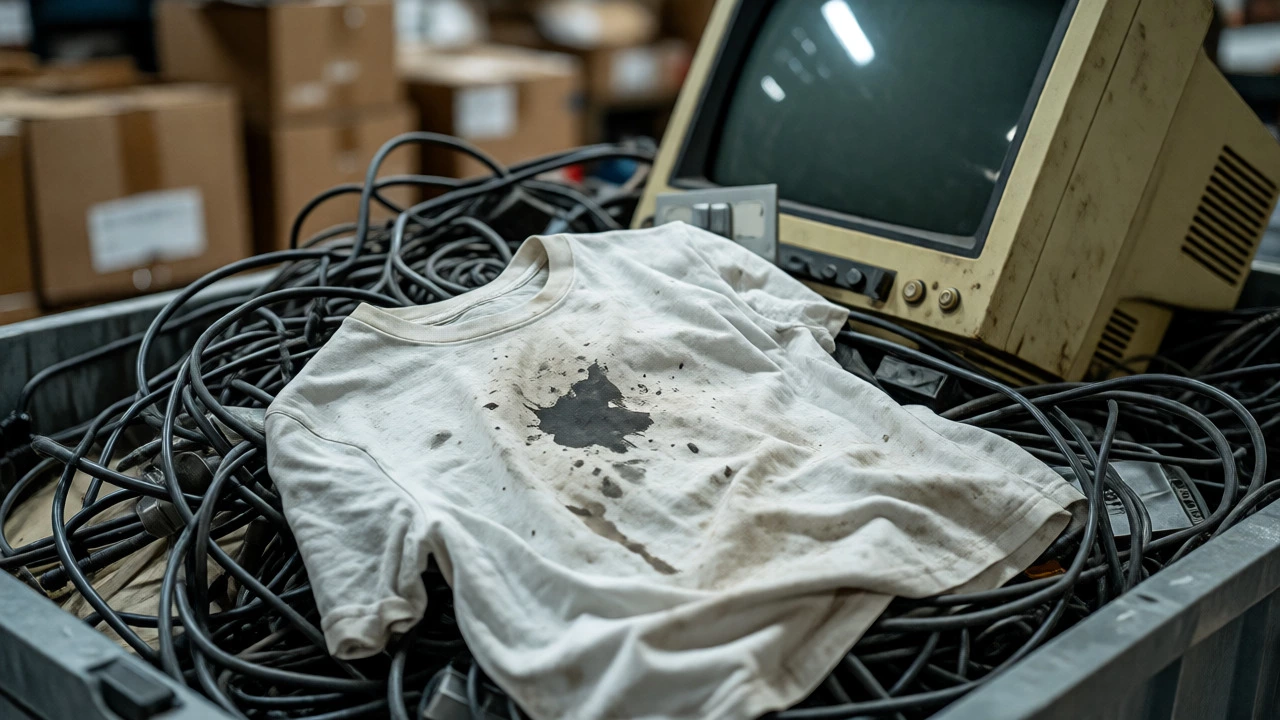
First, skip anything with stains, holes, or excessive wear. While some organizations do recycle textiles, many lack the industrial machinery to process heavily soiled fabrics. A shirt with a permanent ink stain isn’t just unusable; it’s trash that someone else has to sort through. Similarly, underwear and socks are almost always rejected due to hygiene regulations. Unless they are brand new with tags, keep them out of the box.
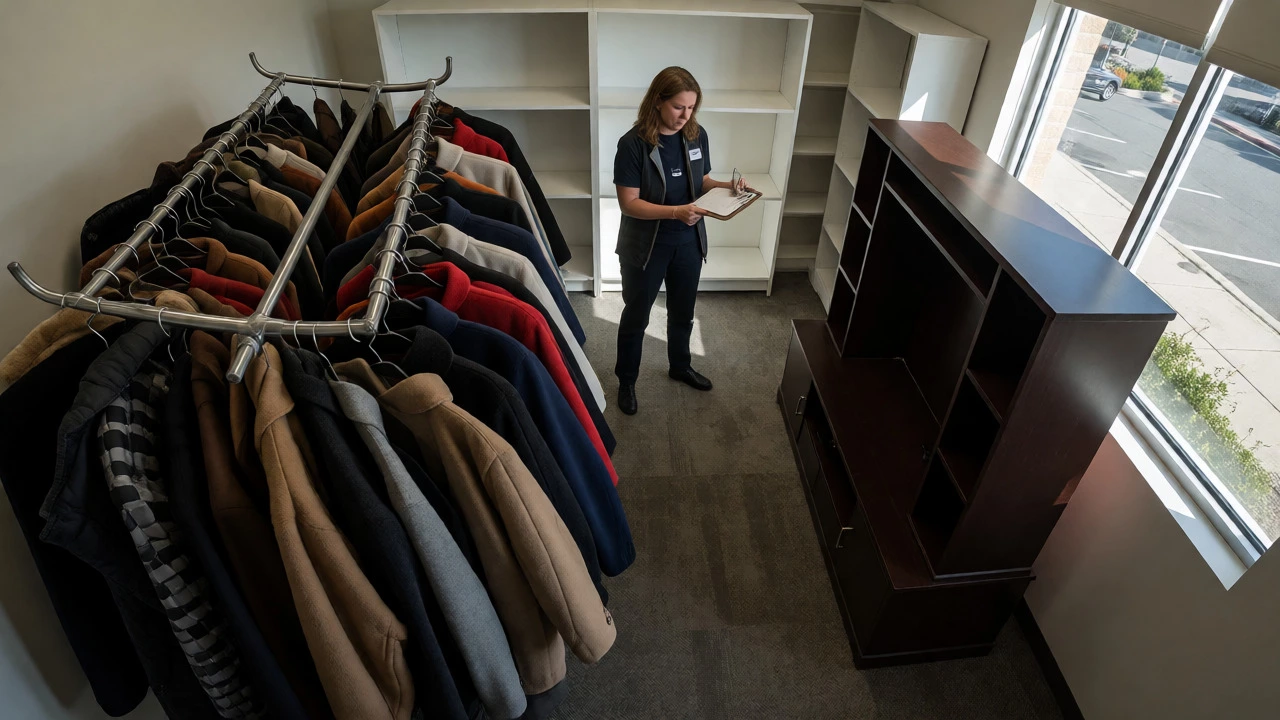
Then there is the issue of seasonal timing. Donating winter coats in July might seem generous, but it creates immediate storage problems. Many small charities operate out of rented spaces where shelf space is premium real estate. Storing heavy winter gear during summer months costs money. If you must donate seasonal items, wait until the season is approaching, or call ahead to ask if they have storage capacity.
Electronics and Appliances: When Broken Becomes Burden
We all have that drawer full of old cables, outdated smartphones, and bulky printers. It is tempting to toss them into a donation pile, thinking "someone could still use this." Often, they cannot.
Large appliances like refrigerators, washing machines, and dryers are particularly tricky. Most charities do not have the trucks, labor, or repair skills to move and fix these units. If your fridge has a dent or doesn't seal perfectly, it likely won't be accepted. Even if it works, moving it requires specialized equipment that volunteers rarely possess. Always call first. Some organizations will pick up large items only if they are less than five years old and in perfect working order.
Small electronics face a different problem: obsolescence. A printer from 2010 might technically work, but finding drivers for modern computers can be a nightmare for the recipient. VCRs, CRT televisions, and desktop towers from the early 2000s often end up in landfills because no one wants them. Before donating tech, check if the model is still supported by major manufacturers. If it's older than seven years, it's probably better to take it to an e-waste recycling center rather than a charity shop.
Furniture: Style Matters More Than You Think
Furniture donations are hit-or-miss. While sturdy wooden tables are usually welcome, upholstered items are risky. Charities need to ensure safety standards, which means checking for bed bugs, pet hair, and structural integrity. If you have a sofa with deep scratches on the leather or fabric that smells faintly of smoke, it will likely be discarded.
Style is another factor. Modern buyers prefer clean lines and neutral colors. Chunky, dark wood entertainment centers from the 1990s are difficult to sell. If you spend hours disassembling a massive sectional couch only for the charity to throw it away, you've wasted your time and their resources. Take a photo and email it to the charity's intake coordinator. Their reaction will tell you instantly whether it's a gift or a burden.
| Item Type | Why It Might Be Rejected | Better Alternative |
|---|---|---|
| Stained Clothes | Costs money to clean or discard | Textile recycling bins |
| Old Electronics | Obsolete technology; hard to sell | E-waste recycling events |
| Upholstered Furniture | Hygiene risks; high shipping/storage cost | Sell locally or curb alert |
| Expired Food | Safety liability; waste | Compost (if organic) |
| Baby Cribs | Outdated safety standards | Check recall list; often landfill |
Food Items: Check the Date and the Diet
Food banks are lifelines, but they aren't dumping grounds for expired pantry staples. Always check expiration dates. While some canned goods remain safe past their "best by" date, charities often have strict policies against accepting items within six months of expiration. Why? Because once it reaches the client, it might expire before they can eat it. That looks bad for the organization and wastes food.
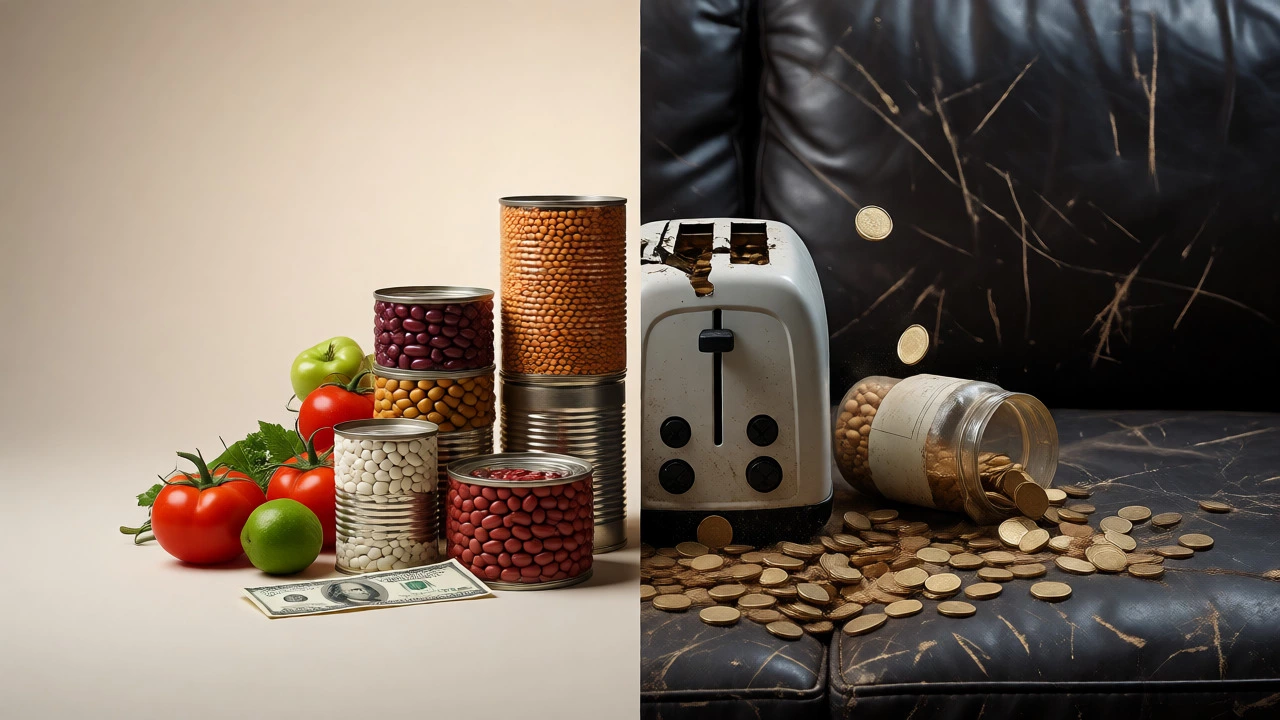
Also, consider dietary needs. Donating a case of sugary soda might feel like a treat, but many clients are managing diabetes or other health conditions. Nutrient-dense foods like canned beans, lentils, whole grains, and low-sodium vegetables are far more valuable. Avoid glass jars if possible, as they break easily during transport and pose a safety risk in community kitchens.
The Hidden Costs of Your "Free" Stuff
Here is a concept many donors miss: logistics. Every item you donate enters a supply chain. It gets unloaded, sorted, tagged, displayed, sold, and eventually moved again if it doesn't sell. Each step costs money. If an item doesn't sell, it goes to a dumpster, which costs even more to haul away.
This is why cash is often the best donation. Cash allows the charity to buy exactly what they need, when they need it, without the overhead of processing physical goods. If you have $50 worth of junk mail cluttering your garage, that same $50 in cash can buy ten meals at a food bank. The efficiency gap is huge.
How to Verify Before You Drop Off
Don't guess. Do three things before you head out:
- Call or Email: Ask specifically about the items you plan to bring. Use the phrase "Is this currently needed?" rather than "Can I drop this off?"
- Inspect Condition: Apply the "friend test." Would you give this item to a friend? If yes, it's probably okay. If you hesitated, it's not.
- Check Local Rules: Some cities have specific rules for textile recycling versus charity donation. Know the difference.
By being selective, you respect the workers who handle your donations. You turn a chore into a genuine act of support. Next time you clean out your house, pause before tossing that old toaster into the bag. Ask yourself: does this help, or does it hurt?
Can I donate shoes to charity?
Yes, but they must be gently used. Shoes should be tied together in pairs and free of significant sole wear. Worn-out sneakers or heels with broken straps are typically rejected because they cannot be resold and add to disposal costs.
Should I wash my donated clothes?
It is highly recommended. Washing clothes removes odors and ensures they are ready for resale. Dirty laundry forces the charity to either pay for cleaning services or discard the items entirely. Clean donations are processed faster and sell better.
What happens to items that charities reject?
Rejected items are usually sent to textile recyclers, who shred them for insulation or rags, or they go directly to landfills. Both options incur fees for the charity, which reduces the net revenue available for their programs.
Are baby items safe to donate?
Only if they meet current safety standards. Car seats, cribs, and walkers undergo frequent safety updates. Items recalled or older than five years are often unsafe and legally difficult for charities to distribute. Always check the manufacturer's recall list before donating.
Is it better to donate cash or goods?
Cash is generally more efficient. It eliminates sorting, storage, and transportation costs. Charities can purchase items in bulk at wholesale prices, stretching your dollar further than if they had to manage individual physical donations.