What is the Most Common Type of Volunteering? A Practical Guide
 Oct, 16 2026
Volunteer Match Finder
Not sure where to start? Most volunteers begin with Social Welfare and Community Service. Use this tool to find a role that fits your lifestyle, skills, and schedule.
You scroll through a list of volunteer roles and feel that familiar paralysis. Should you walk dogs at the shelter? Teach coding to kids? Or maybe just pick up litter in your local park? It’s a classic dilemma. We want to help, but we don’t know where to start. The truth is, most people don’t become specialized experts overnight. They start somewhere simple, accessible, and highly needed.
So, what is the most common type of volunteering? If you look at global data from organizations like the International Labour Organization (ILO) and national bodies like Volunteer Australia or the Corporation for National and Community Service in the US, one category consistently tops the charts: Social Welfare and Community Service. This isn't just about big, dramatic gestures. It's about the everyday acts of support that keep communities functioning-food banks, youth mentoring, elderly care, and general community clean-ups. These roles are everywhere, they require minimal training, and they offer immediate, tangible impact.
Why Social Welfare Dominates the Landscape
Think about your own neighborhood. What do you see most often? You likely see food drives, school pickup helpers, or neighbors checking in on older residents. That’s social welfare volunteering in action. It dominates because it addresses basic human needs: hunger, isolation, safety, and education. Unlike niche hobbies like marine biology conservation or archival digitization, social welfare needs are universal and constant.
Data supports this. In Australia, recent surveys indicate that over 40% of all volunteer hours are spent in the "community services" sector. Why? Because the barrier to entry is low. You don’t need a degree to sort canned goods at a Food Bank. You don’t need a certification to chat with someone at an aged-care facility. This accessibility creates a massive pool of participants.
Moreover, these opportunities are hyper-local. You can find them within a five-minute drive from almost any suburb. For many people, especially those with busy work schedules or families, convenience is king. Driving an hour to a remote conservation site might be great for a weekend retreat, but it’s not sustainable for weekly engagement. Social welfare roles fit into the cracks of daily life.
The Core Sub-Categories of Common Volunteering
When we break down "Social Welfare," it splits into several specific areas that account for the bulk of volunteer activity. Understanding these helps you match your skills to real demand.
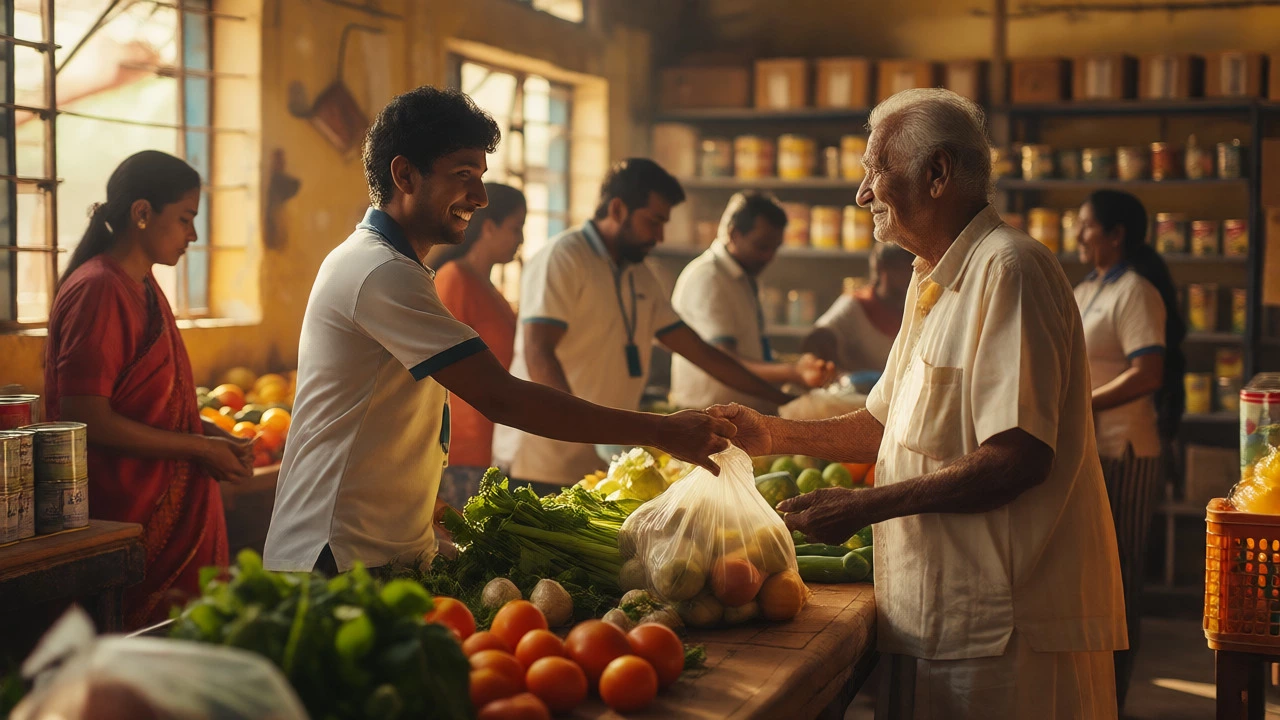
- Food Assistance: This includes working at pantries, soup kitchens, and meal delivery services. It’s hands-on, physical, and deeply rewarding. You see the result immediately-a full plate, a grateful smile.
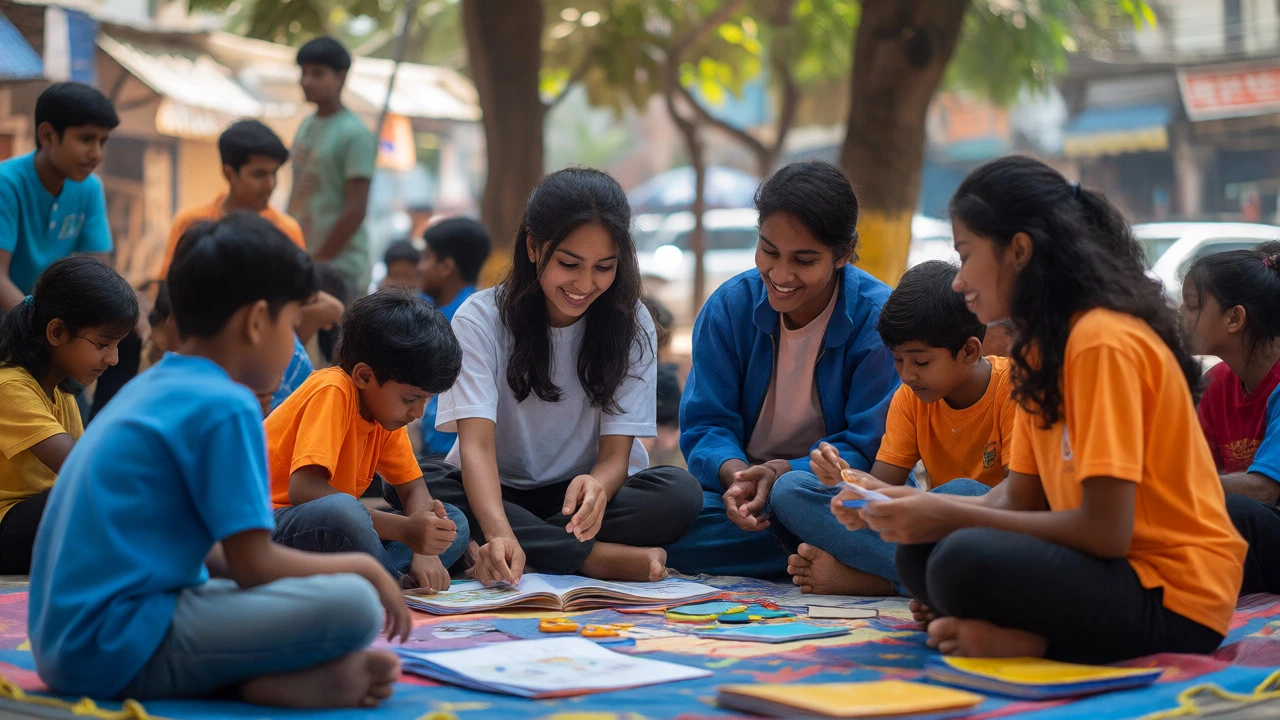
- Youth and Education Support: Tutoring, after-school clubs, and sports coaching fall here. Parents and educators often step in here. It requires patience but offers the joy of seeing progress in a child’s confidence or grades.
- Aged Care and Companionship: With aging populations in places like Melbourne and across Europe, visiting isolated seniors is booming. It’s less about medical tasks and more about conversation, walks, or helping with small errands.
- Environmental Clean-ups: While technically environmental, beach and park clean-ups are often categorized under community service because they improve public spaces for everyone. They’re popular because they’re short-term, group-oriented, and visually satisfying.
Notice a pattern? None of these require you to be a specialist. They require reliability, empathy, and a willingness to show up. That’s why they remain the most common entry points for new volunteers.
How Demographics Shape Volunteer Choices
Your age and life stage heavily influence which type of volunteering you’ll likely choose. This isn’t just anecdotal; it’s statistical reality.
| Age Group | Most Common Activity | Primary Motivation |
|---|---|---|
| 15-24 | Youth Mentoring & Events | Skill building, social connection |
| 25-39 | Food Banks & Family Services | Community stability, family values |
| 40-64 | Governance & Professional Skills | Career networking, civic duty |
| 65+ | Companionship & Local Clubs | Social interaction, legacy |
Younger volunteers often gravitate toward roles that look good on a resume or build soft skills. Helping at a charity event or coaching a junior soccer team checks both boxes. Mid-life volunteers, juggling careers and children, often choose flexible, high-impact roles like sorting donations. Retirees, who have time but may seek social connection, frequently dominate companionship roles in aged care or library assistance.
This demographic split explains why "generalist" roles are so common. Organizations design these roles to accommodate the widest possible range of participants. If a role required a PhD in ecology, only a tiny fraction of the population could participate. But if it requires a friendly attitude and two hours on Saturday morning, thousands can join.
The Rise of Micro-Volunteering
Here’s a twist that’s changing the landscape: micro-volunteering. Traditional volunteering often implied a commitment-six months, one shift a week, no quitting. That model scared off many potential helpers. Enter digital platforms and flexible apps that allow you to volunteer for as little as 15 minutes.
Examples include transcribing historical documents online, reviewing grant applications via email, or even walking a dog for an hour through an app-based matching service. While these digital tasks are growing, they haven’t overtaken face-to-face social welfare work yet. Why? Because humans crave connection. Sorting cans at a pantry lets you talk to your neighbor. Transcribing PDFs at home does not.
However, micro-volunteering is becoming the gateway drug to deeper involvement. Many people start with a single online task, realize they enjoy contributing, and then sign up for a monthly shift at a local shelter. It’s a funnel. And since the initial barrier is so low, it contributes significantly to the sheer volume of volunteer actions recorded globally.
Regional Differences: What’s Common Where?
If you live in Melbourne, your experience might differ slightly from someone in rural Queensland or London. Urban areas tend to have higher rates of formal volunteering through registered charities. Rural areas rely more on informal, neighborly help-like driving an elderly relative to appointments or helping harvest crops.
In Australia, the Red Cross and Salvation Army are major players. Their programs in disaster relief and emergency response also rank high in popularity, especially during bushfire seasons. When a crisis hits, volunteering spikes. People rush to pack relief kits or staff helplines. This surge temporarily boosts "emergency response" numbers, but once the dust settles, steady-state social welfare work returns to the top spot.
Internationally, countries with strong religious institutions often see high rates of faith-based volunteering. Church groups running food pantries or mosque-run educational programs are huge contributors to the "social welfare" bucket. Secular societies, like those in Scandinavia, lean more toward state-supported community centers and sports clubs. The underlying theme remains the same: direct human support wins out over abstract advocacy.

How to Choose Your First Role
Now that you know social welfare is the most common path, how do you pick the right one for you? Don’t overthink it. Use this quick filter:
- Time Commitment: Can you commit to a regular slot? If not, look for "one-off" events like park clean-ups or holiday gift wrapping stations.
- Interaction Level: Do you want to talk to people all day, or would you rather work quietly behind the scenes? Food bank sorting is low-interaction; youth mentoring is high-interaction.
- Skill Match: Are you good with numbers? Help a charity with bookkeeping. Love animals? Walk dogs. But remember, most common roles don’t require special skills. Attitude matters more.
- Location: Pick something close to home or work. If it takes 45 minutes to get there, you’ll quit after three weeks. Proximity drives retention.
Start small. Try one shift. See how it feels. If you hate it, switch. There’s no guilt in trying different organizations. The goal is to find a fit that sustains your interest long enough to make a difference.
Pitfalls to Avoid
Even in the most common types of volunteering, people stumble. Here’s what to watch out for:
- Overcommitting: New volunteers often sign up for too many hours. Burnout is real. Start with two hours a month. Increase only if you’re eager for more.
- Ignoring Training: Even simple roles like handling food require hygiene training. Skipping mandatory inductions makes you a liability, not an asset.
- Expecting Gratitude: You’re there to help, not to be thanked. Some days will be tough. Emotional resilience is part of the job.
- Vague Goals: Know what you want to achieve. Do you want to meet people? Learn a skill? Just give back? Clarity keeps you motivated when the work gets repetitive.
By avoiding these traps, you ensure your contribution is effective and enjoyable. Sustainability beats intensity every time.
Frequently Asked Questions
Is volunteering always unpaid?
Yes, by definition, volunteering is unpaid work. However, some organizations cover expenses like travel costs or provide meals. Paid internships or apprenticeships are distinct from volunteering, though they share similar structures.
Do I need a police check to volunteer?
It depends on the role. Working with children, the elderly, or vulnerable adults usually requires a National Police Check or Working With Children Check (WWCC). General community clean-ups or office admin roles often do not.
Can I volunteer remotely?
Absolutely. Remote volunteering has grown significantly. Tasks include graphic design, translation, data entry, and phone befriending. Platforms like Catchafire or local charity websites list these opportunities regularly.
How many hours should I volunteer per week?
There is no rule. Studies suggest that even one hour a week provides mental health benefits and community connection. Start small and scale up based on your capacity. Consistency is more valuable than volume.
Does volunteering help with career prospects?
Yes, especially if you choose roles that align with your career goals. Leadership positions in committees, project management for events, or professional pro-bono work demonstrate skills to employers. It also expands your network significantly.