What Is an Environmental Community? Types, Benefits, and How to Join
 Jul, 28 2026
Find Your Environmental Community Path
Not sure which group fits your lifestyle? Answer these three questions to find your perfect match.
Why Join?
- ✓ Combat eco-anxiety
- ✓ Meet local neighbors
- ✓ Make tangible impact
- ✓ No experience needed
Recommended Path:
Time Commitment:
Skill Level:
Primary Activity:
Picture this: you walk past a patch of overgrown weeds on the corner of your street. For most people, it’s just an eyesore. But for the neighbors down the block, it’s a future native garden, a habitat for local bees, and a weekend project that brings them together. That group of neighbors isn’t just a casual chat circle; they are what experts call an environmental community, which is a localized network of individuals who collaborate to protect, restore, or sustain their immediate natural surroundings through shared action and education.
We often think of saving the planet as something big corporations or distant governments handle. We see headlines about global treaties or massive reforestation projects in the Amazon. But the real engine of lasting change usually starts much closer to home. It starts with people like you and me deciding that our local creek, park, or air quality matters enough to act on. Understanding what an environmental community actually is-and how it functions-can transform you from a passive observer into an active participant in the health of your own neighborhood.
The Core Definition: More Than Just a Club
An environmental community is distinct from a standard social club or a large-scale non-profit organization. While a national charity might have millions of donors, an environmental community is defined by its hyper-local focus and direct engagement. It consists of residents, local business owners, school teachers, and sometimes municipal workers who unite around specific ecological goals within a defined geographic area.
Think of the difference between donating to a rainforest fund and planting a tree in your own backyard with five friends. The former is charitable; the latter is communal. An environmental community blends these two approaches. It takes the broad mission of sustainability and applies it to the specific soil, water, and wildlife of your town. These groups often operate without formal hierarchies. Instead of a CEO, you might have a rotating coordinator who organizes monthly clean-ups or a teacher who leads workshops on composting.
The key attribute here is agency. Members don’t wait for permission to improve their environment. They identify a problem-like plastic waste in a local river or a lack of shade trees-and they mobilize resources to fix it. This grassroots nature makes them incredibly resilient and adaptable to local needs.
Common Types of Local Green Groups
Not all environmental communities look the same. Their structure depends heavily on the issue they are tackling. Here are the most common forms you’ll encounter:
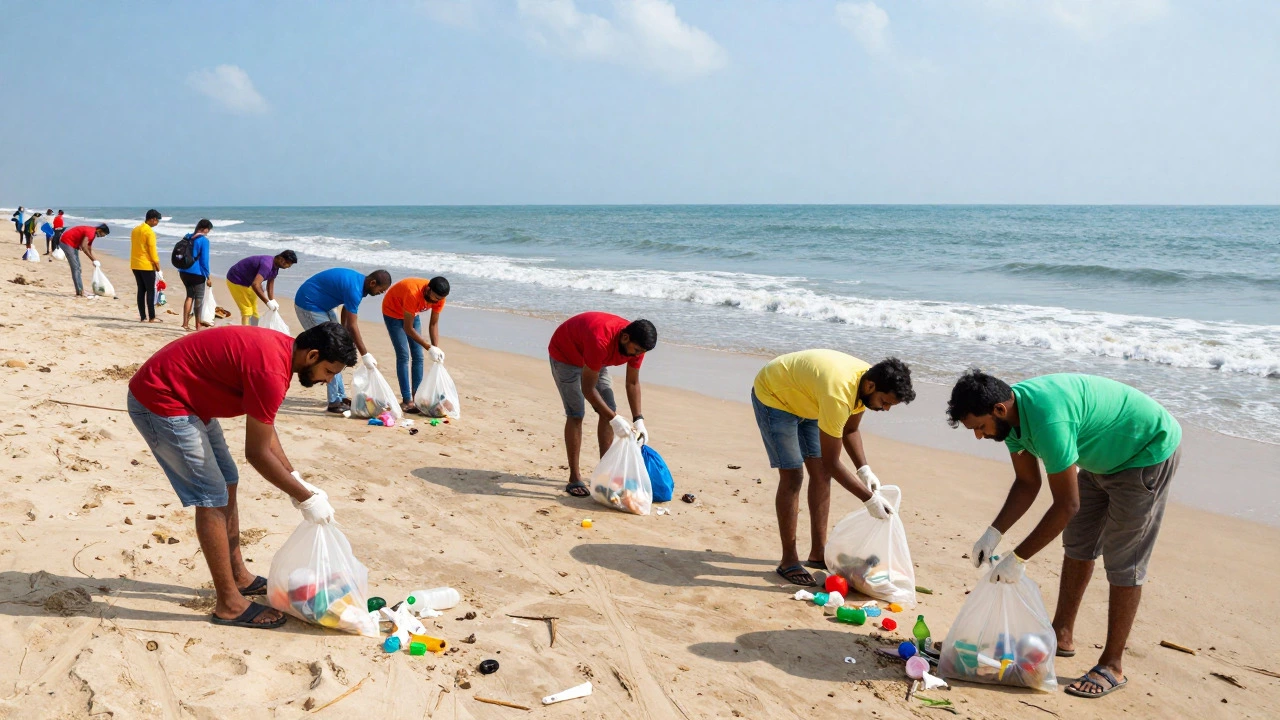
- Neighborhood Watch & Clean-Up Crews: These are often the entry point for many volunteers. They focus on litter removal, graffiti cleanup, and maintaining public spaces. In cities like Melbourne, these groups often partner with local councils to manage beach clean-ups along the coast.
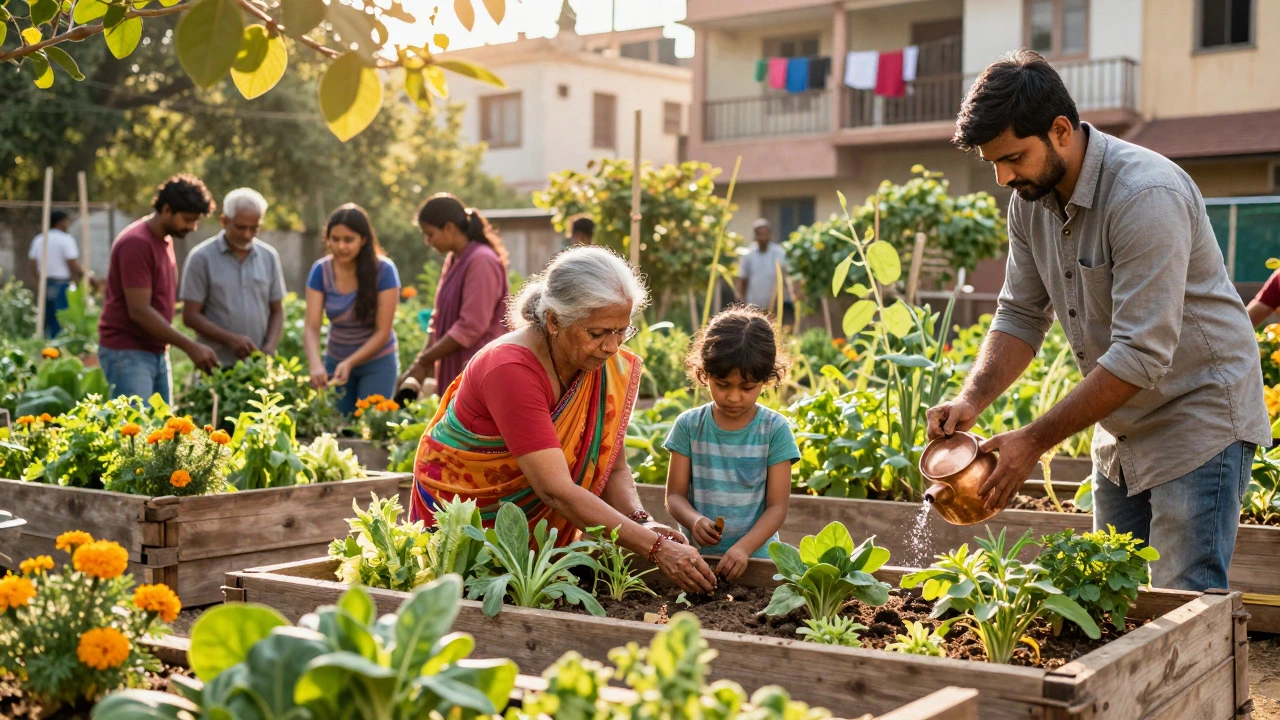
- Community Gardens: These are hubs for urban agriculture. They teach members about organic farming, seed saving, and food security. Beyond growing vegetables, they serve as educational centers where kids learn where food comes from.
- Citizen Science Collectives: These groups engage in data collection. They might monitor bird populations, test water quality in local streams, or track invasive species. Their data often helps scientists and policymakers make better decisions.
- Sustainability Advocacy Groups: These communities focus on policy and behavior change. They might campaign for bike lanes, push for renewable energy adoption in local buildings, or organize car-free days to reduce emissions.
Each type serves a different purpose, but they all share the goal of creating a healthier, more sustainable local ecosystem. You might find yourself joining one type initially, only to discover connections with others. A community gardener might start noticing pests and join a citizen science group to study them.
| Type | Primary Activity | Time Commitment | Skill Level Required |
|---|---|---|---|
| Clean-Up Crews | Litter removal, debris clearing | Low (1-2 hours/month) | None |
| Community Gardens | Planting, harvesting, maintenance | Medium (3-5 hours/month) | Basic gardening knowledge |
| Citizen Science | Data collection, monitoring | High (Regular schedules) | Training provided |
| Advocacy Groups | Meetings, campaigning, lobbying | Variable | Communication skills |
Why Do These Communities Matter?
The benefits of joining an environmental community extend far beyond cleaner parks. Research consistently shows that collective action creates a ripple effect. When one household starts composting, their neighbors are significantly more likely to follow suit. This phenomenon, known as social contagion, turns individual habits into community norms.
Ecologically, these groups provide critical services that governments often can’t afford to maintain alone. In Australia, for example, volunteer landcare groups have restored thousands of hectares of degraded land since the 1990s. They plant native vegetation, control weeds, and rebuild habitats for endangered species. Without this volunteer labor, many local ecosystems would continue to decline.
On a personal level, participation combats eco-anxiety. Feeling powerless against climate change is a common source of stress. Taking tangible action-even something small like removing invasive vines from a local bushland-provides a sense of control and accomplishment. It transforms fear into productivity.
How to Find Your Local Group
Finding an environmental community near you doesn’t require a deep dive into obscure forums. Most groups are highly visible because they want new members. Start by checking with your local council. Many municipalities have dedicated pages listing registered volunteer groups. In Melbourne, for instance, the City of Yarra has a robust directory of local landcare networks and community gardens.
Social media is another powerful tool. Search for terms like “environmental group [Your Suburb]” or “community garden [Your City]” on Facebook or Instagram. These platforms often host event pages for upcoming clean-ups or workshops. Attending one event is the best way to gauge if the group’s culture fits your personality.
If you can’t find an existing group, consider starting one. You don’t need hundreds of members to begin. Gather three or four interested neighbors, pick a small, manageable project-like cleaning up a single alleyway or planting flowers at a bus stop-and execute it. Success breeds momentum. As you see the results of your work, others will want to join.
Challenges and How to Overcome Them
Like any volunteer effort, environmental communities face hurdles. Burnout is a major risk. Relying on unpaid labor means that if a few key organizers get busy with work or family, the whole project can stall. To mitigate this, successful groups rotate leadership roles and document processes so anyone can step in.
Funding is another challenge. Large projects like building a raised garden bed or buying safety gear for clean-ups cost money. Many groups overcome this by applying for small grants from local councils or corporate sponsorships. Some also hold fundraising events, like plant sales or bake-offs, which double as community-building activities.
Conflict can also arise. People have different opinions on the best methods for conservation. One person might want to mow the lawn short for tidiness, while another prefers long grass for butterflies. Open communication and clear, agreed-upon guidelines help resolve these disputes before they derail the group.
Getting Started: Your First Steps
If you’re ready to take the plunge, here is a simple roadmap:
- Identify your passion: Do you love gardening? Are you concerned about water pollution? Do you enjoy outdoor exercise? Align your interest with the type of group that suits you.
- Research locally: Use council websites and social media to find active groups in your area.
- Attend an open event: Look for “open day” or “new member welcome” events. These are low-pressure ways to meet people.
- Commit to one task: Don’t promise too much too soon. Sign up for a single clean-up or workshop. See how it feels.
- Build relationships: Talk to other members. Ask questions. Share your skills. Community is built on connection, not just activity.
Remember, you don’t need to be an expert ecologist to contribute. Enthusiasm and reliability are far more valuable than technical knowledge. Most groups are happy to train you in whatever tasks you undertake.
The Bigger Picture
Environmental communities are the cells of a larger body-the global movement for sustainability. Each local action contributes to a broader cultural shift. When we care for our immediate surroundings, we develop a deeper respect for the natural world as a whole. This mindset eventually influences how we vote, how we shop, and how we raise our children.
In a world facing unprecedented environmental challenges, the power of local action cannot be overstated. By joining or forming an environmental community, you’re not just cleaning up a park or planting a tree. You’re building resilience, fostering connection, and creating a legacy of stewardship for future generations. And honestly, it’s pretty rewarding to see the physical results of your hard work every time you walk down the street.
Do I need special skills to join an environmental community?
No, you do not need specialized skills. Most groups welcome beginners and provide training for specific tasks like composting, native planting, or water testing. Reliability and enthusiasm are more important than prior experience.
How much time does volunteering typically require?
Time commitments vary widely. Clean-up crews might ask for just one hour a month, while community garden plots may require a few hours weekly during growing seasons. Most groups offer flexible options to fit busy schedules.
Are there costs involved in joining?
Most membership fees are minimal or free. Some groups charge a small annual fee to cover insurance or tools. Community gardens may have a plot rental fee, but this is usually very affordable compared to commercial gardening costs.
Can I start an environmental community if none exists in my area?
Absolutely. Starting a group is easier than you think. Begin with a small, achievable project and invite neighbors to join. Use social media and local notice boards to spread the word. Many established groups started this way.
How do environmental communities get funding?
Funding sources include local council grants, corporate sponsorships, fundraising events, and donations from members. Some groups also partner with larger NGOs to access resources and expertise.