What are the 7 levels of organization in ecology?
 Sep, 25 2026
Ecological Hierarchy Explorer
Click on a level below to learn more about its definition, examples, and key focus areas.
Level 1: The Individual Organism
Definition: A single living entity.
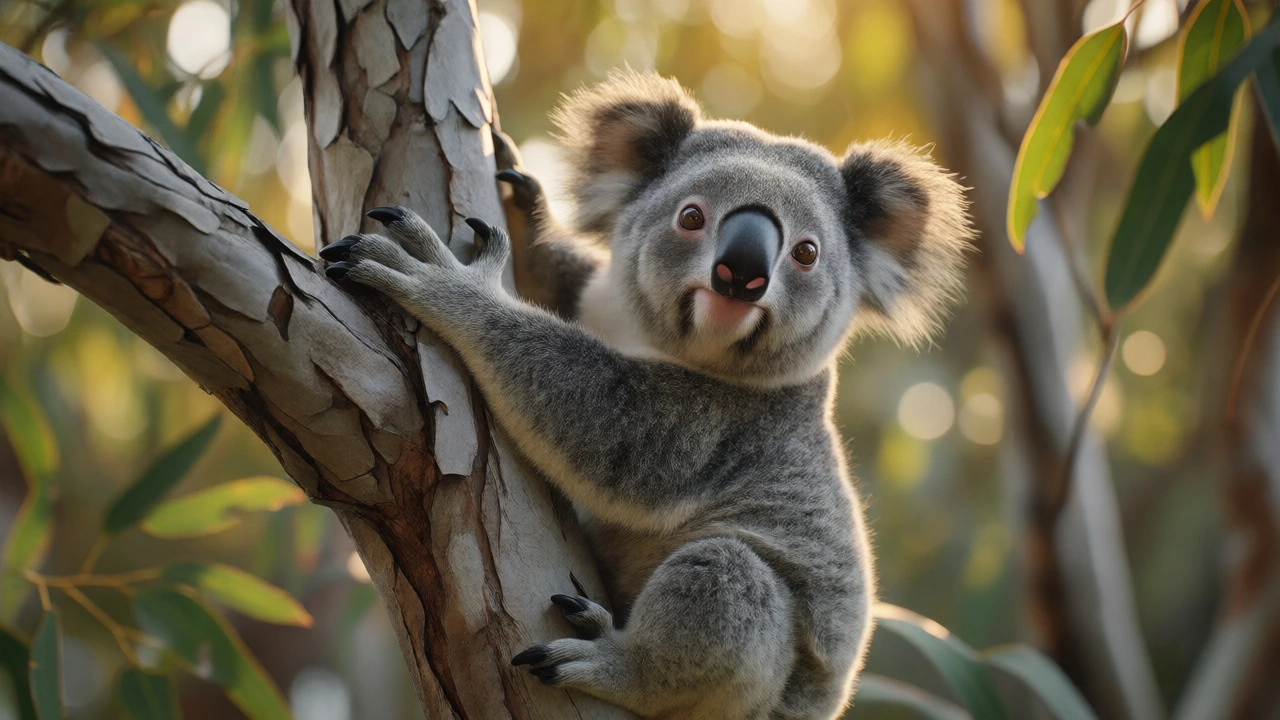
Example: One koala or one gum tree.
Key Focus: Physiology & Behavior. How does this specific creature survive on its own? How does it find food and regulate body temperature?
Level 2: The Population
Definition: Multiple individuals of the same species living in the same area.
Example: All kangaroos in a specific grassland.
Key Focus: Genetics & Density. Members can interbreed. Ecologists track trends like rising numbers or genetic bottlenecks. Crucial for conservation efforts.
Level 3: The Community
Definition: All different populations (plants, animals, fungi, microbes) living in one area.
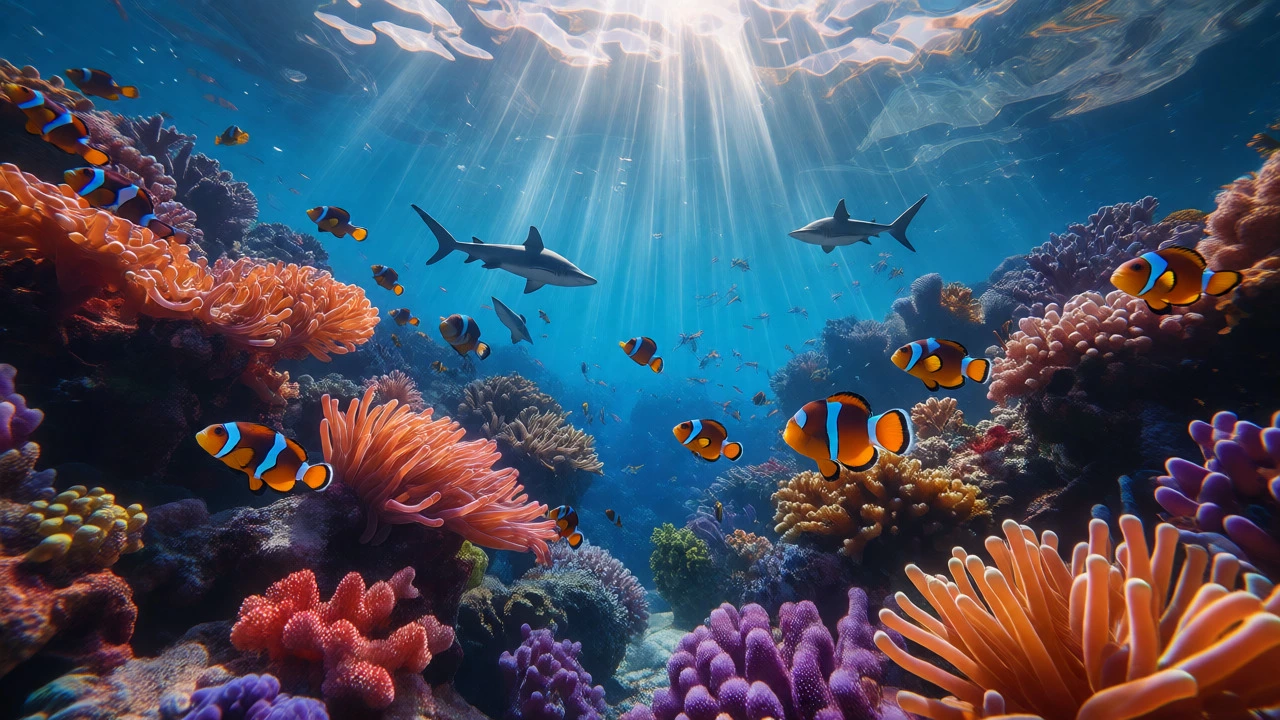
Example: A coral reef with corals, clownfish, algae, sharks, and sponges.
Key Focus: Interactions & Food Webs. Includes predation, competition, and symbiosis. Understanding who eats whom and relies on whom.
Level 4: The Ecosystem
Definition: The biological community plus the non-living physical environment.
Example: Frogs, water, sunlight, and nutrients in a pond.
Key Focus: Energy Flow & Nutrients. Highlights the link between biology and physics. Producers capture sunlight, consumers eat them, decomposers break down waste.
Level 5: The Biome
Definition: Ecosystems sharing similar climate conditions and dominant vegetation across large geographic areas.
Example: Deserts, tropical rainforests, temperate forests.
Key Focus: Climate Adaptations. Defined by abiotic factors like temperature and rainfall. Allows comparison of how life adapts to similar challenges globally.
Level 6: The Landscape
Definition: A mosaic of interacting ecosystems.
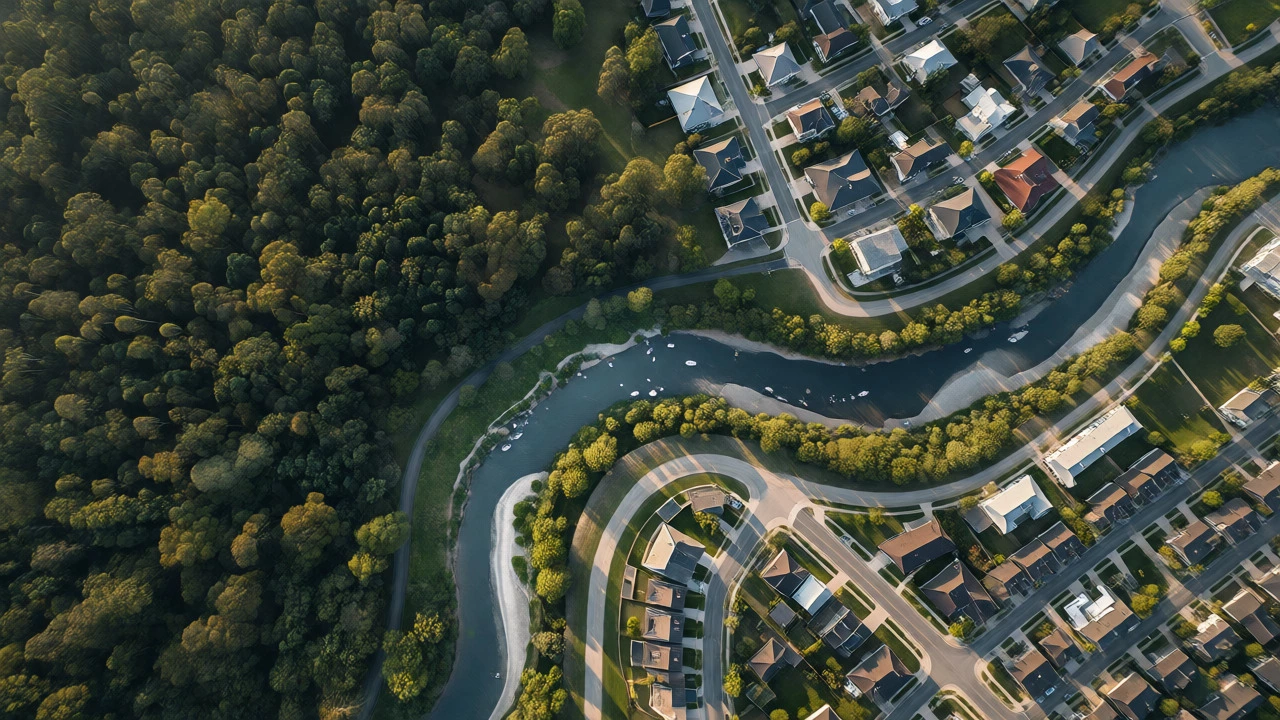
Example: A forest next to a river, a farm, and a suburban neighborhood.
Key Focus: Spatial Patterns & Humans. Focuses on spatial arrangement and human impact. Acknowledges that ecosystems are rarely isolated islands; animals move between them.
Level 7: The Biosphere
Definition: All living things on Earth and the environments they inhabit.
Example: From deepest ocean trenches to highest mountain peaks.
Key Focus: Global Connectivity. Emphasizes that local actions have global consequences (e.g., carbon dioxide affecting plant growth elsewhere). Everything is connected through atmospheric and oceanic currents.
Imagine you are standing in a eucalyptus forest outside Melbourne. You see trees, birds, fungi, and soil bacteria. It looks like a chaotic mix of life, but nature has a strict filing system for all this biological chaos. Scientists call this the ecological hierarchy, which organizes living things into seven distinct levels based on their interactions and scale.
You might wonder why biologists bother with these labels. It’s not just academic pedantry. Understanding where an organism fits helps us predict how environmental changes ripple through nature. If you pollute a stream, does it affect one fish or the entire river basin? The answer depends entirely on which level of organization you are examining. Let’s break down these seven tiers, moving from the smallest unit to the largest.
The Individual Organism
The first step is the simplest: the individual. This is a single living entity, such as one koala or one gum tree. In ecological terms, we look at how this specific creature survives on its own. How does it find food? How does it regulate its body temperature? While individuals matter, they don’t exist in a vacuum. A lone koala cannot sustain a species if there are no mates or suitable leaves nearby. However, studying the individual gives us baseline data about physiology and behavior before we zoom out to see the bigger picture.
The Population
When multiple individuals of the same species live in the same area, they form a population. For example, all the kangaroos in a specific grassland make up a kangaroo population. Populations are defined by genetics and geography. Members of a population can interbreed, passing genes to the next generation. Ecologists track populations closely because they reveal trends. Are numbers rising? Is the group facing genetic bottlenecks? If a disease spreads, it hits a population hard because everyone shares similar vulnerabilities. This level is crucial for conservation efforts, as protecting a species often means managing specific local populations rather than the global total.
The Community
Populations don’t interact only with their own kind. They share space with other species. When you combine all the different populations living in one area-plants, animals, fungi, and microbes-you get a community. Think of a coral reef. It isn’t just one type of coral; it’s corals, clownfish, algae, sharks, and sponges all interacting. These interactions include predation, competition, and symbiosis. A community is dynamic. If the shark population drops, the prey species might explode in number, eating too much algae and smothering the coral. Understanding community structure helps us see who eats whom and who relies on whom for survival.
The Ecosystem
This is where things get interesting for most people. An ecosystem includes the biological community plus the non-living physical environment. It’s not just the frogs; it’s the frogs, the water they swim in, the sunlight hitting the pond, and the nutrients in the mud. Energy flows through ecosystems, starting with producers (like plants) capturing sunlight, then moving to consumers (herbivores), and finally decomposers (bacteria). Nutrients cycle within the system. If you remove the water, the frogs die, but if you remove the frogs, the insect population might surge. Ecosystems highlight the tight link between biology and physics. Climate change impacts here are visible: warmer water holds less oxygen, stressing aquatic ecosystems even if the species count stays the same initially.
The Biome
Ecosystems that share similar climate conditions and dominant vegetation across large geographic areas form a biome. Australia has several, including deserts, tropical rainforests, and temperate forests. A biome is defined by abiotic factors like temperature, rainfall, and soil type. The plants in a desert biome have adapted to heat and dryness, while those in a rainforest handle constant moisture. Biomes help scientists categorize life on Earth broadly. They allow researchers to compare how similar organisms adapt to similar challenges in different parts of the world. For instance, comparing Australian marsupials to African placental mammals shows how evolution solves similar problems differently in comparable biomes.
The Biosphere
The sixth level is the biosphere, which encompasses all living things on Earth and the environments they inhabit. It stretches from the deepest ocean trenches to the highest mountain peaks. Every ecosystem, biome, and community is part of the biosphere. This level emphasizes global connectivity. Carbon dioxide produced by cars in New York affects plant growth in the Amazon. Plastic waste dumped in the Pacific ends up in the stomachs of seabirds in Antarctica. The biosphere reminds us that local actions have global consequences. We cannot isolate our environmental footprint; everything is connected through atmospheric and oceanic currents.
The Landscape
Sometimes ecologists add a seventh level: the landscape, which consists of a mosaic of interacting ecosystems. A landscape might include a forest, a river, a farm, and a suburban neighborhood all adjacent to each other. Unlike the previous levels, which focus on biological or climatic boundaries, a landscape focuses on spatial arrangement and human impact. It acknowledges that ecosystems are rarely isolated islands. Animals move between them. Pollution travels from farms to rivers to oceans. Studying landscapes helps urban planners and conservationists design corridors that allow wildlife to migrate safely through developed areas. It bridges the gap between pure ecology and land management.
Why These Levels Matter
Understanding this hierarchy prevents oversimplification. If you only look at the population level, you might miss that a predator is driving the decline. If you only look at the ecosystem, you might ignore genetic diversity issues within a species. Each level offers a different lens. Conservation strategies must address multiple tiers simultaneously. Protecting a panda requires saving bamboo forests (ecosystem), ensuring enough pandas remain to breed (population), and maintaining the health of the broader Asian temperate forest (biome).
| Level | Definition | Example | Key Focus |
|---|---|---|---|
| Organism | Single living entity | One koala | Physiology & Behavior |
| Population | Same species in one area | All koalas in Victoria | Genetics & Density |
| Community | All populations in an area | Koalas, eucalypts, insects | Interactions & Food Webs |
| Ecosystem | Community + Abiotic factors | Forest + Soil + Water | Energy Flow & Nutrients |
| Biome | Similar climates over large area | Temperate Forest | Climate Adaptations |
| Biosphere | All life on Earth | Global Living Zone | Global Connectivity |
| Landscape | Mosaic of ecosystems | Forest next to City | Spatial Patterns & Humans |
Is a human considered an organism or a population?
A single human is an organism. A group of humans living in a city forms a population. All humans worldwide constitute the human population globally.
Can an ecosystem be small?
Yes. An ecosystem can be as small as a rotting log or as large as the Great Barrier Reef. Size doesn't define it; the interaction between living and non-living components does.
What is the difference between a community and an ecosystem?
A community includes only living organisms. An ecosystem includes both the living community and the non-living physical environment like water, air, and soil.
Why is the landscape level sometimes excluded?
Some traditional models stop at the biosphere. The landscape level is added when focusing on human-modified environments and spatial ecology, acknowledging that ecosystems do not exist in isolation.
How does climate change affect these levels?
It impacts all levels. Individuals face heat stress, populations shift ranges, communities restructure as species migrate, ecosystems lose productivity, and biomes expand or contract.