How to Set Up an Out-of-School Club: A Practical Guide
 Oct, 6 2026
Out-of-School Club Pricing Calculator
Estimate a sustainable hourly rate per child. This tool accounts for fixed monthly costs, variable supply costs, and recommended staff-to-child ratios to ensure profitability while maintaining safety standards.
Monthly Expenses
Operations & Capacity
Recommended Hourly Rate
$0.00
per child / hourCost Breakdown (Per Child / Session)
Staffing Recommendation
You’ve got the idea. Maybe it’s a chess club for middle schoolers, a coding workshop for teens, or just a safe space for kids to hang out and do homework. But when you try to turn that spark into a real out of school club, reality hits hard. You’re suddenly drowning in paperwork, worrying about insurance, and wondering if anyone will actually show up.
Here is the truth: most clubs fail not because the activity was boring, but because the logistics were a mess. Parents don’t sign their kids up for chaos. They sign them up for structure, safety, and fun. If you can nail those three things, you’ll have a thriving program before you know it.
Define Your Niche and Audience
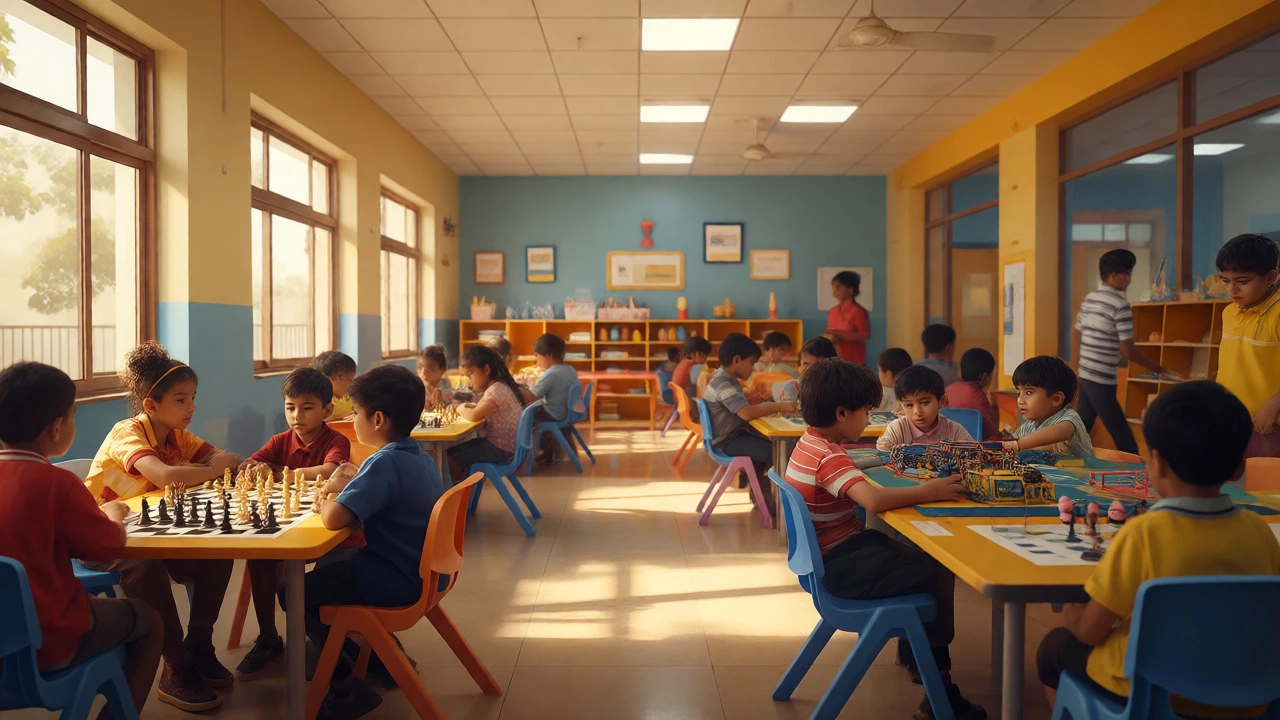
Before you rent a room or buy supplies, you need to answer one question: Who is this for? "Kids" is too broad. Are you targeting 6-year-olds who need supervision while parents work late? Or are you looking at 14-year-olds who want social interaction without parental oversight?
The age group dictates everything else. A kindergarten club needs high-energy activities, frequent snack breaks, and strict pickup protocols. A high school club might focus on college prep, career networking, or independent projects with minimal direct instruction.
- Early Elementary (K-2): Focus on play-based learning, arts and crafts, and basic social skills. Keep sessions under 90 minutes.
- Late Elementary (3-5): Introduce structured games, team sports, or hobby-specific workshops like robotics or drama.
- Middle School (6-8): This is the trickiest age. They want independence but still need guidance. Offer choices within a framework, such as letting them vote on weekly activities.
- High School (9-12): Lean into leadership roles, internships, or specialized skills like debate or graphic design. These students often pay for value or college credit.
Don't guess what they want-ask. Run a quick survey at local schools or community centers. Ask parents what time slots work best and what subjects their children are interested in. This data saves you from launching a pottery club in a neighborhood obsessed with soccer.
Nail Down the Logistics and Legalities
This is where dreams go to die if you ignore them. You cannot run a club for minors without addressing liability. First, check your local regulations. In many places, if you charge money, you might be classified as a business rather than a casual volunteer group. This triggers different tax and insurance requirements.
Insurance is non-negotiable. General liability insurance protects you if a child trips over a chair. Professional liability covers claims of negligence or improper supervision. If you operate under an existing organization, like a YMCA or a local school district, they likely cover you. If you are independent, you need your own policy.
| Category | Key Requirement | Common Pitfall |
|---|---|---|
| Location | Safe, accessible, licensed for public use | Assuming a park pavilion allows alcohol or loud music |
| Staffing | Background checks for all adults | Using unvetted volunteers who haven't passed screening |
| Ratios | 1 adult per 8-10 young children; 1 per 15 older kids | Understaffing during peak attendance days |
| Policies | Cancellation, refund, and code of conduct | No clear plan for sick children or behavioral issues |
Also, consider the physical space. Does it have bathrooms? Is it wheelchair accessible? Can you store equipment there overnight? These practical details prevent last-minute scrambles every Tuesday afternoon.

Build a Sustainable Budget
Money isn't just about profit; it's about survival. Most new clubs underestimate costs by 30%. Start with a lean budget. List every single expense: venue rental, insurance premiums, supplies, marketing flyers, and staff stipends.
If you rely on volunteers, you save cash but risk burnout. If you hire paid instructors, quality goes up, but so does overhead. A hybrid model often works best: one paid lead coordinator and several trained volunteers.
Funding sources vary:
- Tuition Fees: The most stable income. Charge enough to cover costs plus a small buffer. Research local competitors. If a nearby dance studio charges $15/hour, pricing your art club at $5/hour signals low quality, while $30/hour requires premium facilities.
- Grants: Look for community foundation grants focused on youth development or education. These require applications but provide non-repayable funds.
- Sponsorships: Local businesses might sponsor a season in exchange for logo placement on t-shirts or banners.
Keep financial records transparent. Parents trust organizations that show exactly where their money goes. Use simple accounting software or even a well-maintained spreadsheet. Never mix personal and club finances.
Recruit and Retain Staff
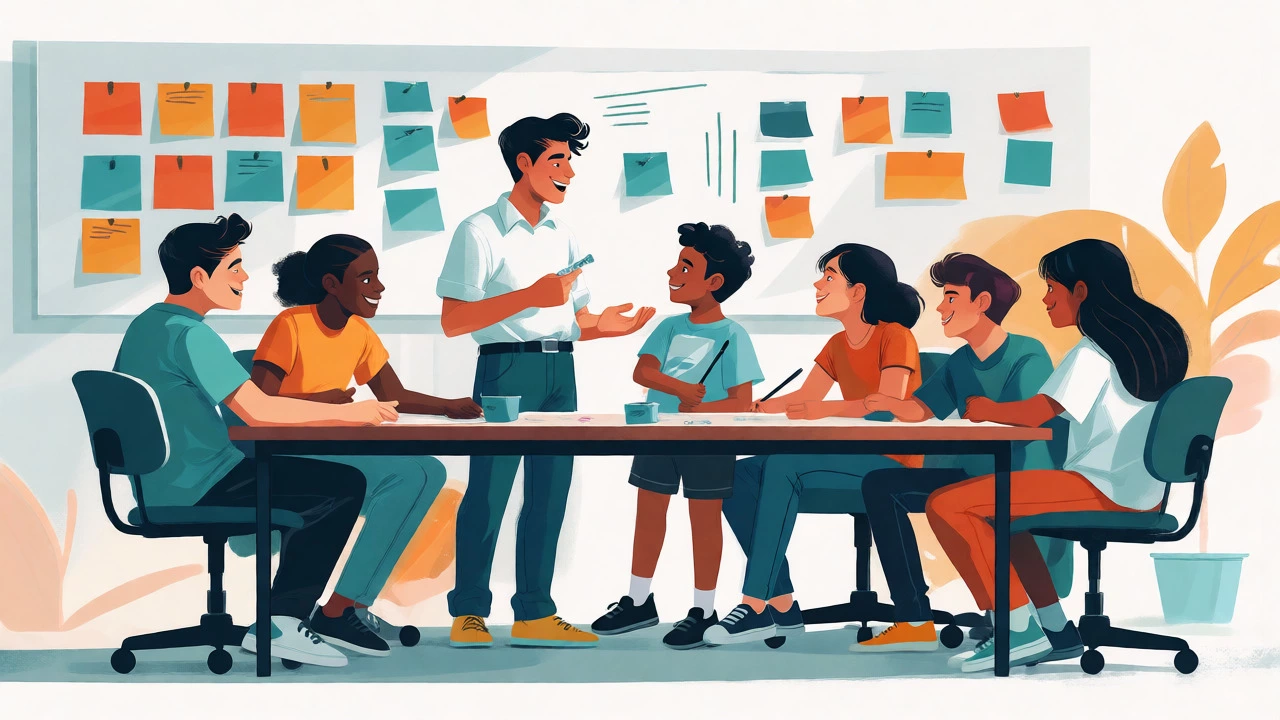
Your club is only as good as its leaders. Kids connect with people, not programs. You need staff who are reliable, energetic, and patient. Background checks are mandatory in almost every jurisdiction for anyone working unsupervised with minors. Do not skip this step, even for short-term helpers.
Training matters more than experience. A biology teacher might know plants but not how to manage a group of hyperactive third graders. Provide orientation sessions covering:
- Safety protocols and emergency procedures.
- Behavior management techniques (positive reinforcement vs. punishment).
- Inclusion strategies for children with special needs.
Retention is tough in this sector. High turnover disrupts continuity. Combat this by creating a supportive culture. Recognize volunteers publicly. Offer small perks, like free meals during shifts or professional development credits. Treat them like professionals, and they will act like them.
Market Your Club Effectively
You can have the best science lab in town, but it means nothing if no one knows it exists. Marketing doesn't need to be expensive, but it must be targeted.
Start offline. Flyers in school newsletters, bulletin boards at libraries, and partnerships with pediatricians' offices work wonders. Parents trust recommendations from other parents and trusted community figures.
Go digital strategically. Create a simple Facebook event page or Instagram account. Post photos of past activities (with parental permission). Highlight the benefits: "Social skills," "Homework help," "Fun." Avoid jargon. Speak directly to parent pain points: "Tired of screen time battles? Try our outdoor adventure club."
Word of mouth is your strongest tool. Encourage current members to bring a friend. Offer a referral discount. Happy parents become your unpaid sales team.
Launch and Iterate
Do not wait for perfection. Launch with a pilot session. Invite 10-15 kids for a free trial day. Observe what works and what flops. Did the craft take too long? Was the snack break too short? Adjust immediately.
Gather feedback constantly. Send a simple survey to parents after the first month. Ask two questions: What did your child enjoy most? What would make it better? Act on this feedback visibly. If parents suggest adding a quiet reading corner, add it and announce it. This shows you listen.
Scaling comes later. Once you have consistent attendance and positive reviews, consider expanding hours or adding new tracks. But master the core offering first. A small, happy club grows organically. A large, chaotic one collapses under its own weight.
Do I need a license to run an out-of-school club?
It depends on your location and whether you charge fees. Many jurisdictions require childcare providers to be licensed if they care for children under 13 for more than a few hours a week. Check with your local Department of Health or Human Services. Non-profit status may exempt you from some licensing requirements but not background checks.
What is the ideal staff-to-child ratio?
For preschoolers (ages 3-5), aim for 1 adult per 6-8 children. For elementary schoolers (ages 6-12), 1 adult per 10-15 children is standard. Older teenagers can handle higher ratios, such as 1 per 20, provided the activities are self-directed. Always adjust based on the complexity of the activity and the specific needs of the participants.
How much should I charge for membership?
There is no fixed price, but most clubs range from $10 to $25 per hour per child. Calculate your total monthly expenses (rent, insurance, supplies, staff) and divide by your projected number of attendees. Add a 10-15% margin for unexpected costs. Compare this rate with similar local offerings to ensure competitiveness.
What happens if a child gets injured?
Have a clear emergency action plan posted and shared with all staff. Ensure every child has an emergency contact form on file with medical information. Administer basic first aid if trained to do so, then call 911 for serious injuries. Notify parents immediately. Document the incident in writing, including time, location, and actions taken, for insurance purposes.
Can I use volunteers instead of paid staff?
Yes, but with caution. Volunteers must undergo the same background checks as paid staff. Relying solely on volunteers can lead to reliability issues. It is often best to have a paid coordinator to manage schedules and training, supported by a pool of vetted volunteers. Ensure volunteers understand their role boundaries, especially regarding discipline and safety responsibilities.