How to Improve Community Outreach: A Practical Guide for Non-Profits
 Nov, 6 2026
Community Outreach Health Check
Answer these questions honestly to see how strong your current outreach strategy is.
1. Messaging Clarity
Do you use specific stories instead of generic statements?
2. Local Partnerships
Are you actively collaborating with local businesses/schools?
3. Volunteer Accessibility
Do you offer low-commitment "micro-volunteering" options?
4. Data & Feedback
Do you track engagement metrics beyond follower counts?
Your Outreach Score
0/40Personalized Recommendations:
You’ve spent months planning your program. You have a great mission, passionate volunteers, and a solid budget. But when you post on social media or send out flyers, crickets are the only response. Sound familiar? Most non-profits struggle not because their work isn’t valuable, but because they’re shouting into a void instead of having a conversation. Getting better community outreach isn’t about spending more money; it’s about changing how you connect with people where they already are.
If you’re running a charity in Melbourne or anywhere else, you know that trust is the currency of the sector. People don’t donate time or money to logos; they support stories and relationships. This guide breaks down exactly how to shift from transactional broadcasting to relational engagement. We’ll look at practical steps you can take this week to boost visibility, deepen connections, and make your impact felt beyond your immediate circle.
Stop Broadcasting, Start Listening
The biggest mistake most organizations make is assuming everyone knows who they are and what they do. They blast out generic messages like "We help the homeless" or "Join our club." That’s too vague. To get better outreach, you need to understand your audience’s actual pain points and interests. Are they looking for a place to volunteer on weekends? Do they want to feel connected to their neighborhood? Or are they worried about local environmental issues?
Start by conducting simple audits. Talk to your current donors and volunteers. Ask them one question: "Why did you choose us over the other ten charities in town?" Their answers will reveal your true value proposition. Maybe it’s not just the cause-it’s the fact that you provide free coffee after meetings, or that you publish transparent financial reports every month. Use these insights to tailor your messaging. Instead of saying "We feed the hungry," try "Help us serve 50 hot meals to families in Brunswick this Friday." Specificity sells.
Leverage Hyper-Local Partnerships
Community outreach thrives on proximity. In cities like Melbourne, neighborhoods have distinct identities. A campaign that works in Fitzroy might flop in Geelong. The key is to embed yourself in the local ecosystem through strategic partnerships. Don’t just partner with other charities; partner with businesses, schools, and community centers that share your audience.
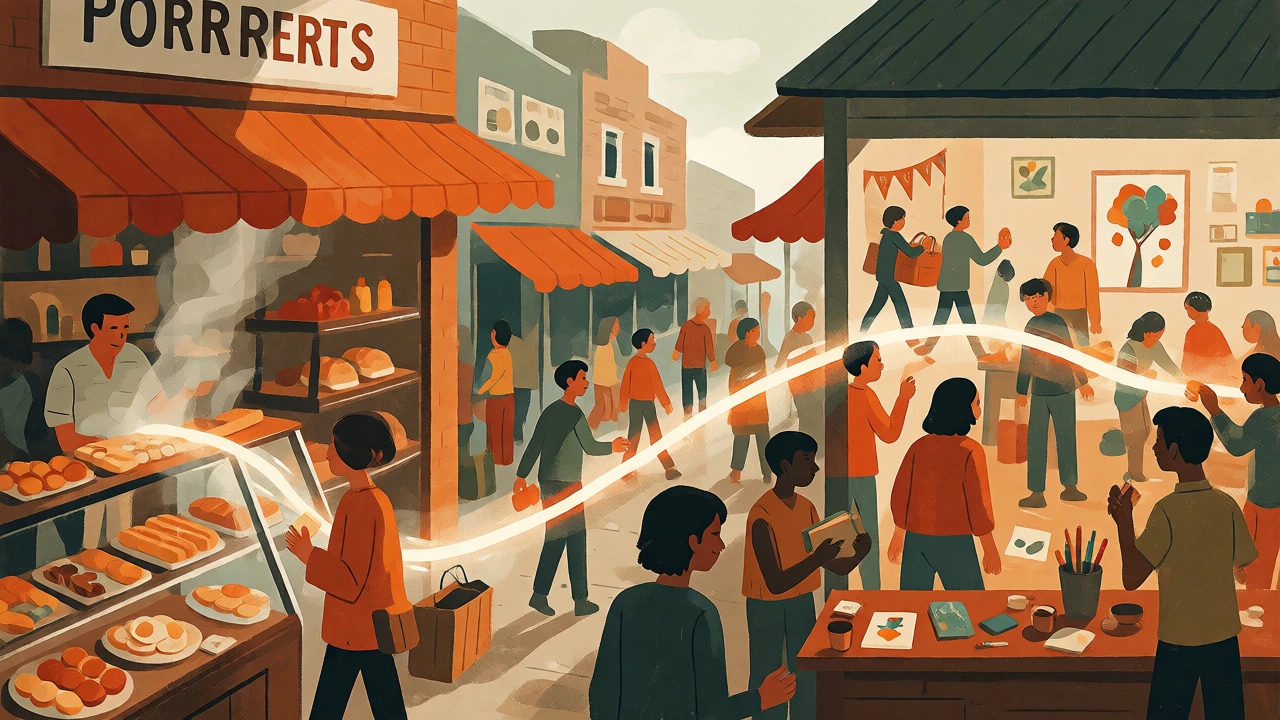
Think about a local bakery. They have foot traffic and customer loyalty. If you run a youth organization, propose a joint initiative: for every pastry sold on Tuesdays, $1 goes to your after-school club. The bakery gets positive PR and a reason for customers to visit on a slow day; you get exposure to hundreds of potential supporters without spending a cent on ads. This is cross-pollination. It builds credibility because you’re borrowing the trust those established entities have already built.
| Channel | Effort Level | Trust Factor | Best For |
|---|---|---|---|
| Social Media (Instagram/Facebook) | Medium (requires consistency) | Low-Medium (algorithm dependent) | Awareness & Visual Storytelling |
| Email Newsletters | Low (automated) | High (direct permission) | Donor Retention & Updates |
| Local Business Partnerships | High (relationship building) | Very High (community endorsement) | New Audience Acquisition |
| Flyers/Physical Mail | Medium-High (design & print) | Medium (tangible reminder) | Hyper-local Events |
| Word of Mouth/Referrals | Low (if culture exists) | Highest (personal recommendation) | Volunteer Recruitment |
Master the Art of Micro-Volunteering
One of the biggest barriers to engagement is commitment phobia. People are busy. Asking someone to commit to six months of weekly volunteering often leads to a polite "no." Better outreach means lowering the barrier to entry. Introduce micro-volunteering opportunities-tasks that take less than an hour but still contribute meaningfully.
For example, if you’re a food bank, ask neighbors to pick up one extra grocery item during their regular shop and drop it off at a designated hub. If you’re a mental health charity, invite professionals to offer one pro-bono consultation slot per month. These small actions create a "foot in the door." Once someone has helped once, they are statistically much more likely to help again and eventually become long-term advocates. Make it easy to say yes.
Tell Stories, Not Statistics
Data validates your work, but stories move people to act. When you communicate your impact, lead with the human element. Instead of saying "We served 1,000 clients last year," tell the story of Sarah, a single mother who found stable housing through your shelter program. Include photos (with consent), quotes, and details about her journey.
Be authentic. Share the struggles, not just the wins. Did a program fail initially before it succeeded? Admit it. Vulnerability builds trust. Modern audiences, especially younger demographics, are skeptical of polished corporate speak. They want raw, real narratives. Use video content if possible-a 60-second clip of a beneficiary explaining how your service changed their life is worth ten thousand words of text.
Optimize Your Digital Presence for Search Intent
Many non-profits have websites that are digital brochures rather than engagement hubs. If someone searches for "volunteer opportunities near me," does your site come up? Does it clearly state what you do within three seconds of loading? You need to optimize your web presence for both search engines and human users.
Ensure your contact information is visible everywhere. Add clear calls-to-action (CTAs) like "Donate Now," "Sign Up for Newsletter," or "Become a Volunteer." Keep your blog updated with relevant topics-not just internal news, but articles that answer common questions your audience has. For instance, if you run an after-school club, write posts about "benefits of structured play" or "how to manage homework stress." This positions you as an authority, not just a service provider.

Measure What Matters
You can’t improve what you don’t measure. Stop focusing solely on vanity metrics like follower counts. Focus on engagement rates, email open rates, and conversion rates. How many people clicked your donation link? How many attendees actually signed up for the next event?
Use simple tools. Google Analytics for website traffic, Mailchimp or similar platforms for email stats, and even a spreadsheet for tracking partnership leads. Review these numbers monthly. If a specific social media post generated zero clicks, figure out why. Was the image boring? Was the CTA unclear? Adjust your strategy based on data, not gut feeling. This iterative process ensures you’re constantly refining your approach to maximize limited resources.
FAQs on Improving Community Outreach
How often should I communicate with my community?
Consistency matters more than frequency. Aim for one meaningful touchpoint per month via email, and 2-3 times per week on social media. Avoid spamming; ensure every message offers value, whether it’s an update, a thank you, or a call to action.
What is the best way to find local partners?
Start with businesses and organizations that share your target demographic. Visit local community centers, attend chamber of commerce meetings, and look for companies with existing CSR (Corporate Social Responsibility) programs. Personal introductions work better than cold emails.
How do I keep volunteers engaged long-term?
Recognition and flexibility are key. Acknowledge contributions publicly, offer varied roles to prevent burnout, and provide feedback on their impact. Create a sense of belonging by fostering social connections among volunteers outside of work hours.
Should I focus on paid advertising for outreach?
Only if you have a clear conversion path. Organic outreach builds deeper trust. Paid ads can amplify successful organic content or promote specific events, but they shouldn’t replace relationship-building efforts. Test small budgets first to see ROI.
How do I handle negative feedback on social media?
Respond quickly, politely, and professionally. Take the conversation offline if necessary. Publicly addressing concerns shows transparency and care. Never delete legitimate criticism unless it violates community guidelines; hiding it erodes trust.