Does Volunteering Actually Help? The Real Impact on You and Your Community
 Sep, 1 2026
Volunteer Impact Estimator
Enter your details below to estimate the ripple effect of your commitment.
Results will appear here after calculation.
Your Personalized Insight
*Estimated using average hourly value of volunteer work ($25-$30/hr) from independent sector surveys.
**Based on frequency of interaction and duration of commitment.
***Based on studies linking regular prosocial behavior to reduced cortisol levels.
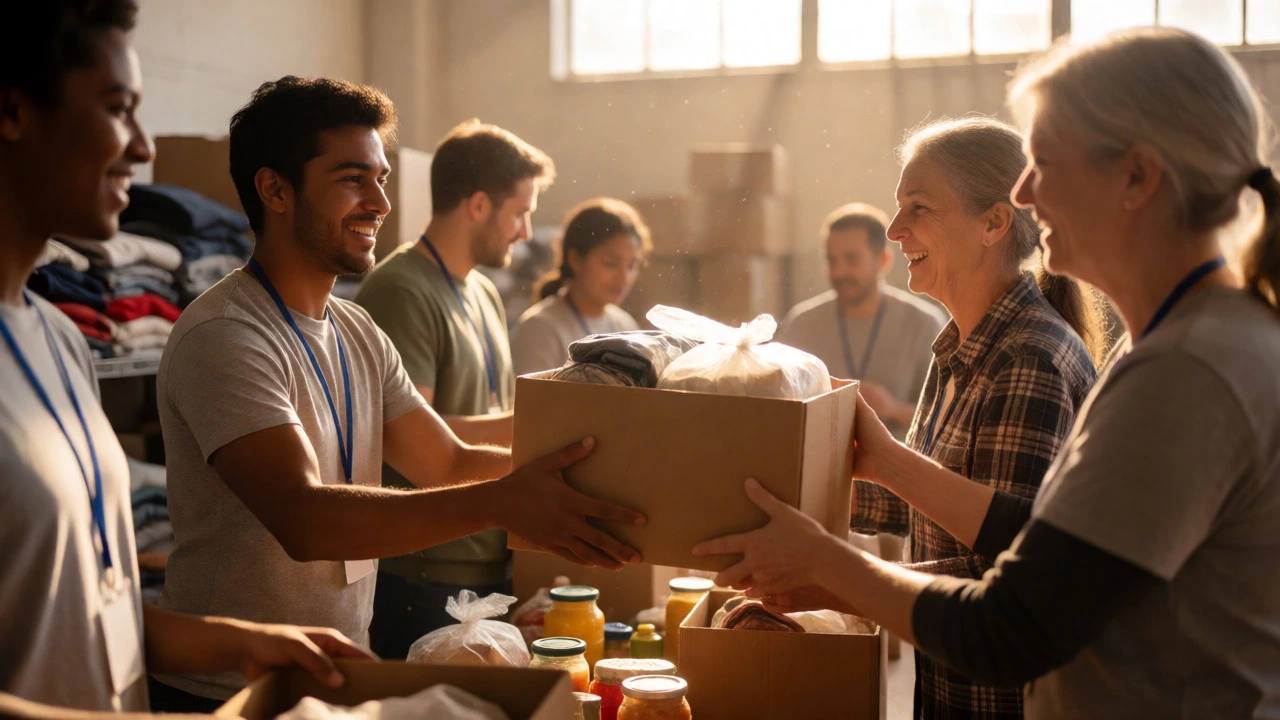
You’ve probably heard the pitch a thousand times. "Give back," they say. "It’s good for your soul." But let’s be real for a second: does spending your Saturday morning sorting donations at a local charity shop actually do anything? Or is it just a nice story you tell yourself to feel less guilty about your privileged position in life? If you’re standing on the fence, wondering if those hours are worth the commute and the coffee, you aren’t alone. Many people hesitate because they worry their contribution is too small to matter, or worse, that it might even get in the way.
Here is the blunt truth: volunteering isn't magic. It doesn't fix systemic issues overnight. But when done right, it creates a ripple effect that touches both the recipient and the giver in ways data is finally starting to measure. This isn't about fluffy feelings; it's about tangible outcomes. From boosting your employability to lowering blood pressure, the evidence suggests that showing up matters more than you think. Let’s break down what actually happens when you commit time to a cause, separating the myth from the measurable reality.
The Psychological Payoff: More Than Just Warm Fuzzies
Let’s start with what happens inside your head. We often hear about the "helper’s high," but what is that physiologically? When you engage in prosocial behavior-acting in ways that benefit others-your brain releases dopamine and oxytocin. These are the same chemicals involved in bonding and reward. But here is where it gets interesting: studies indicate that this chemical shift can reduce cortisol levels, the primary stress hormone. In a world where burnout is practically a badge of honor, having a natural way to lower stress without medication is a significant perk.
Consider the concept of "eudaimonic well-being." Unlike hedonic happiness, which comes from pleasure (like eating cake), eudaimonia comes from meaning and purpose. Research published in journals like Psychological Science has shown that individuals who volunteer regularly report higher levels of life satisfaction compared to those who don’t. Why? Because volunteering provides a sense of agency. You see the direct result of your labor. You pack a box, and someone eats dinner. That immediate feedback loop counters the modern feeling of powerlessness many of us feel in our corporate jobs where our work feels abstract and distant.
There is also a protective factor against depression. Social isolation is a major risk factor for mental decline, particularly as we age. Volunteering forces social interaction. It isn't passive scrolling through Instagram; it is active engagement with other humans. Whether you are mentoring a teenager or walking dogs at a shelter, you are building social capital. This network acts as a safety net. If you lose your job or go through a breakup, the connections you made while serving meals at a community center remain. They provide emotional support and practical help, reinforcing the idea that you belong somewhere.
Career Boosters: The Resume Hack Nobody Talks About
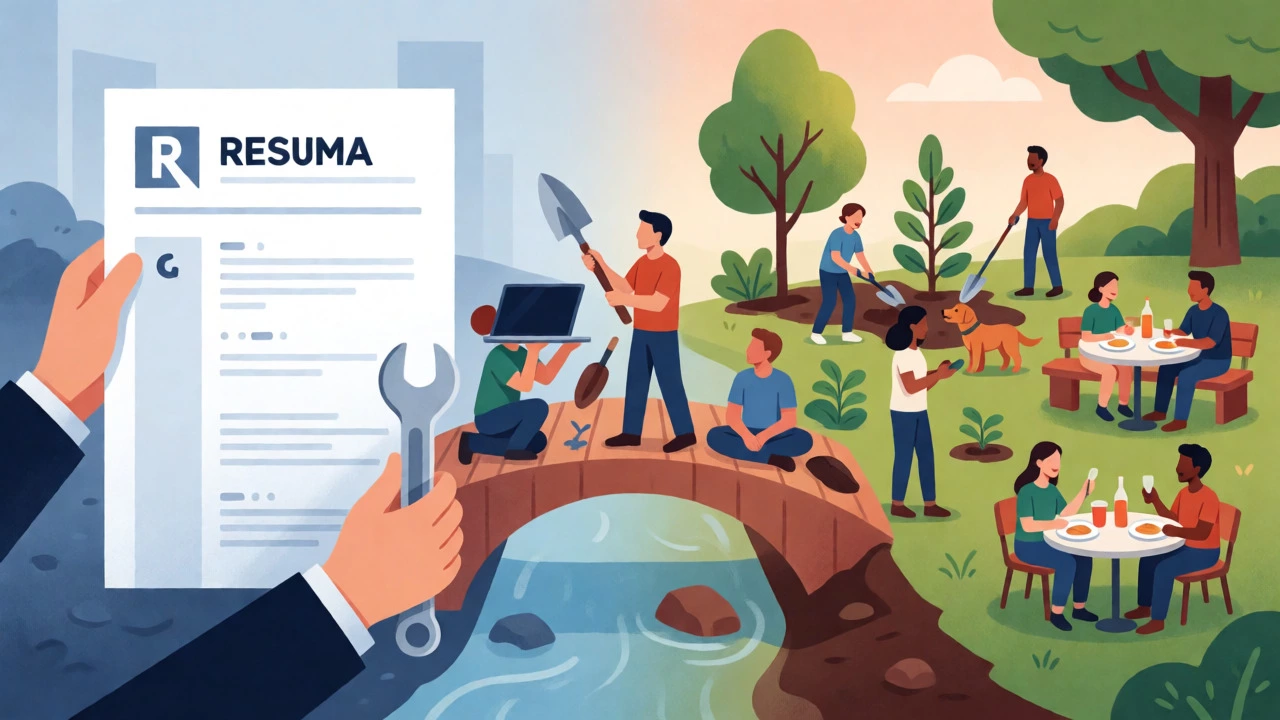
If you are early in your career or looking to pivot industries, volunteering is one of the most underutilized tools in your kit. Recruiters love candidates who show initiative, but they love candidates who show transferable skills even more. Think about it: when you volunteer as a project coordinator for a non-profit event, you aren't just "helping out." You are managing budgets, negotiating with vendors, leading teams of volunteers, and solving logistical nightmares in real-time.
Unlike paid internships, which can sometimes feel exploitative or low-responsibility, volunteer roles often come with genuine autonomy. Non-profits operate on tight margins and limited staff. This means you get thrown into the deep end. You might find yourself handling public relations or data analysis simply because no one else was available. These experiences provide concrete examples for behavioral interview questions. Instead of saying, "I am a good leader," you can say, "I led a team of twelve volunteers to distribute 500 care packages during last year's flood relief effort." That is specific, verifiable, and impressive.
Furthermore, networking through volunteering is organic. You meet people from different walks of life, including professionals in fields you aspire to join. A casual conversation while setting up chairs for a gala can turn into a mentorship opportunity. These connections are often warmer and more genuine than those made at stiff professional networking events because you share a common value-based mission. It breaks down the transactional barrier typical of business interactions.
Community Impact: Does It Move the Needle?
This is the big question. Does your three hours a week actually change anything for the community? Critics argue that individual volunteering is a band-aid solution to structural problems like poverty or climate change. And they have a point. One person picking up litter won't stop industrial pollution. However, viewing volunteering solely through the lens of macro-economic change misses the micro-level impact that keeps communities functioning.
Non-profits rely heavily on volunteer labor to stretch their funding. According to the International Labour Organization, volunteer work contributes billions of dollars to national economies annually by providing services that would otherwise require paid staff. For small charities, losing volunteers can mean closing their doors entirely. Your presence allows them to allocate their limited cash reserves to essential goods rather than administrative salaries. So yes, your time translates directly into resources for the organization.
Beyond economics, there is the social cohesion aspect. Communities with high rates of civic engagement tend to have lower crime rates and higher trust among neighbors. Volunteering builds "bridging social capital"-connections between people who are not similar to each other. When you volunteer alongside people from different socioeconomic backgrounds, ages, and ethnicities, you break down stereotypes. You humanize "the other." This reduction in prejudice makes the community safer and more resilient during crises. When disaster strikes, neighborhoods where people know each other recover faster because they already have established lines of communication and mutual aid practices.
Physical Health Benefits: Moving More, Living Longer
We tend to separate mental health from physical health, but they are deeply intertwined. Many volunteer opportunities involve physical activity. Walking dogs, gardening, cleaning parks, or moving furniture for elderly clients all contribute to daily step counts. The American Heart Association notes that regular moderate activity reduces the risk of heart disease and stroke. For older adults, staying active through volunteering helps maintain mobility and independence longer than sedentary retirement.
There is also emerging research linking volunteering to longevity. A study tracking adults over fifty found that those who volunteered had lower mortality rates than those who did not, even after controlling for baseline health status. While correlation does not equal causation, the mechanisms are plausible: reduced stress, increased physical movement, and stronger social ties all contribute to better immune function and cardiovascular health. Essentially, volunteering keeps you engaged with life, which is a powerful motivator to take care of your body.
| Area of Impact | Benefit to Volunteer | Benefit to Community | Evidence Strength |
|---|---|---|---|
| Mental Health | Reduced stress, lower depression risk | Stronger social fabric, reduced isolation | High (Longitudinal studies) |
| Career | Skill acquisition, networking | Talent pipeline for non-profits | Moderate (Employer surveys) |
| Economic | No direct financial gain | Cost savings for charities | High (Economic modeling) |
| Physical | Increased activity, longevity | Maintained public spaces/services | Moderate (Health correlations) |
The Pitfalls: When Volunteering Doesn't Help
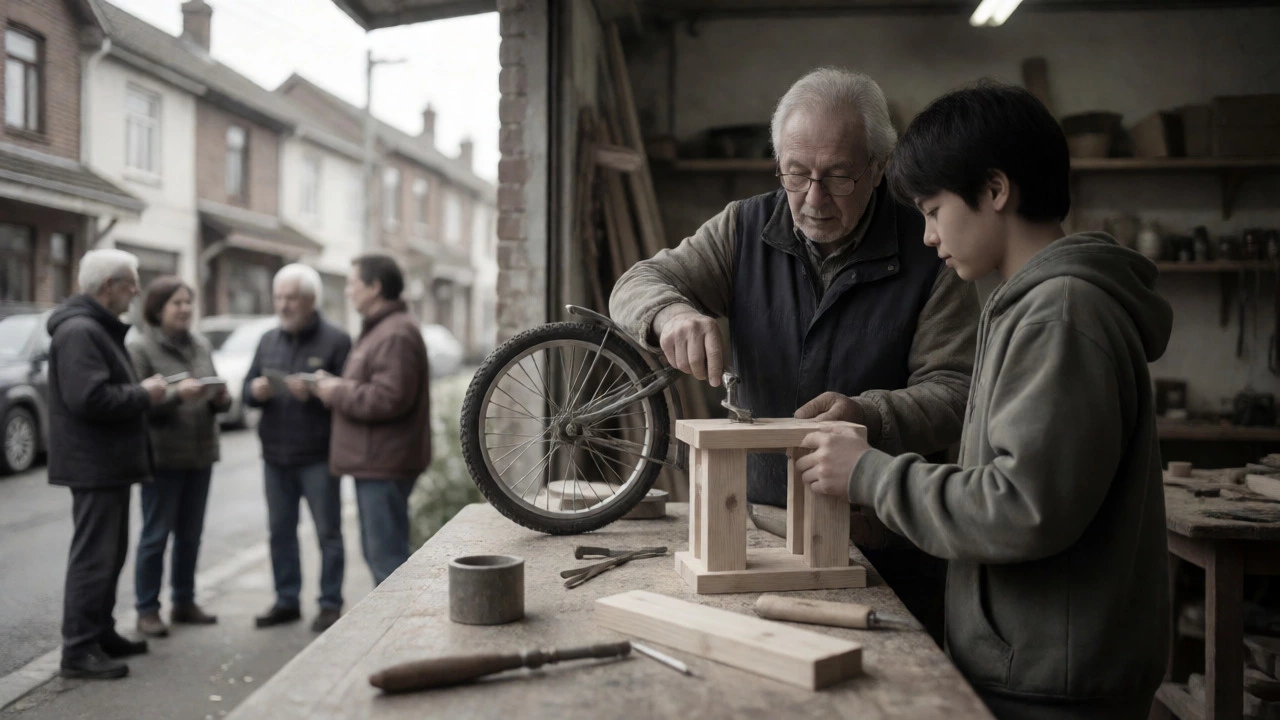
So, is volunteering always good? Not necessarily. There is such a thing as "voluntourism" gone wrong, where unskilled volunteers do more harm than good. Imagine an untrained college student trying to teach English to children who need specialized educational support. Or a group building a house in a developing country that ends up being abandoned because there were no materials to maintain it. These situations highlight the importance of competence and commitment.
To ensure your time actually helps, you need to match your skills to the role. Don't volunteer just to look good; volunteer where you can be useful. Ask the organization what they really need. Do they need someone to drive a truck? To code a website? To listen to a lonely senior? Also, beware of burnout. Taking on too much responsibility without boundaries can lead to resentment. Treat your volunteer commitments with the same respect as a paid job. Show up on time, communicate clearly, and follow through. Reliability is often scarcer than enthusiasm in the non-profit sector.
Another pitfall is the "white savior" complex, where the volunteer focuses more on their own narrative of heroism than the actual needs of the community. This can create dependency and undermine local agency. The best volunteering empowers the recipients. Look for organizations that prioritize local leadership and sustainable solutions over quick fixes. Your goal should be to make yourself obsolete eventually, not indispensable forever.
How to Start Without Overwhelm
If you are convinced that volunteering is worth the effort, how do you start without signing up for a ten-year contract? Start small. Commit to two hours a month. It sounds insignificant, but consistency beats intensity. Use platforms like GoVolunteer or local council boards to find opportunities near you. Melbourne, for example, has a robust network of community gardens and food rescue organizations that always need hands.
Treat it like dating. Try different organizations before committing long-term. See which culture fits you. Some places are highly structured; others are chaotic. Find the environment where you thrive. And remember, it is okay to quit if it isn't working. Life changes, interests shift. Leaving a role gracefully, with notice, is far better than ghosting or resentfully dragging your feet. The key is to stay open to finding the right fit where your skills and passion intersect with genuine need.
Ultimately, volunteering helps because it connects us. It reminds us that we are part of something larger than our individual struggles. It improves our mental clarity, sharpens our professional skills, and strengthens the social bonds that hold society together. It isn't a cure-all, but it is a potent catalyst for positive change-for yourself and for the world around you.
Does volunteering count as work experience?
Yes, absolutely. Employers value volunteer experience because it demonstrates soft skills like teamwork, communication, and reliability. If you held a role with responsibilities, list it on your resume under "Experience" or "Volunteering," detailing your achievements and skills used, just as you would for a paid job.
How many hours per week should I volunteer?
There is no magic number. Research suggests that even one hour a week can yield psychological benefits. The key is sustainability. Start with a manageable amount, such as 2-4 hours a month, and increase only if you feel energized rather than drained. Consistency is more important than volume.
Can volunteering help me make friends?
Yes, volunteering is one of the most effective ways to meet new people. It puts you in regular contact with individuals who share similar values and interests. Shared activities create natural conversation starters and foster deeper connections faster than random social encounters.
What if I don't have any special skills?
Most organizations need basic help: sorting items, driving, cleaning, or simply being present. Attitude and reliability are often more valuable than specialized technical skills. You will likely learn new things on the job, and many charities offer training for their volunteers.
Is remote volunteering effective?
Remote volunteering has grown significantly since 2020. Tasks like transcription, translation, graphic design, or online mentoring can be highly effective. While it lacks the face-to-face social benefits, it offers flexibility and allows you to contribute specialized skills regardless of location.